How much does it cost to photograph a 500-SKU clothing catalog, with AI and with a photoshoot?
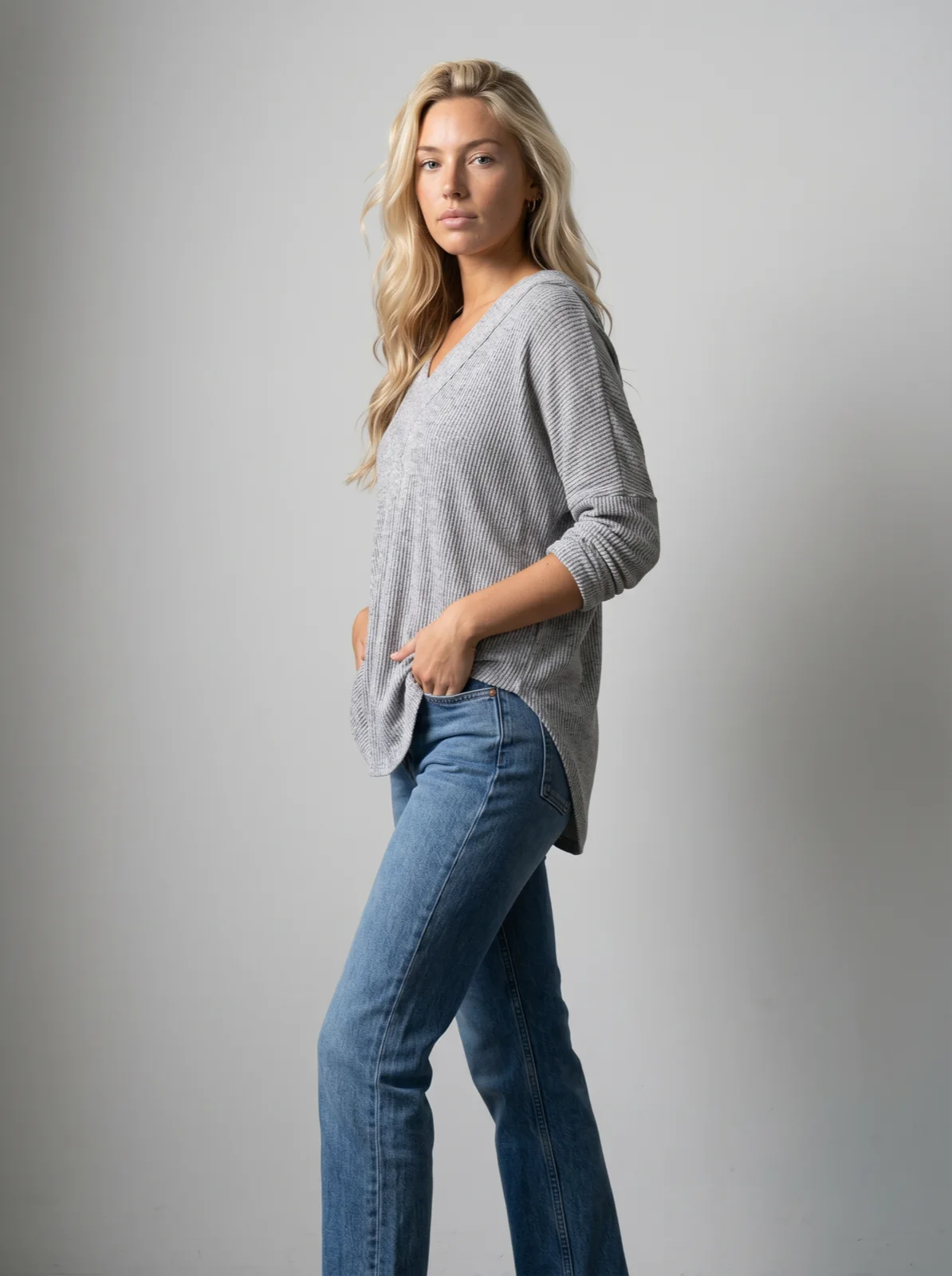
From $450 in generation on Uwear, or $30,000 to $130,000 in a studio before retouching. The first number is 500 garments, three photos each, at 3 credits a photo. The second is nine to thirteen shoot days at the mid-range day rates published in 2026 pricing guides. The rest of this page shows the arithmetic, names every assumption, and says what the cheap number does not include.
One rule first. Uwear does not quote a price per accepted image. The AI reviewer, when you turn it on, retries photos that drift from the product photo, and retries consume credits, so the number of generations a run needs depends on your garments. What the product does is price the run before it starts and state a ceiling on retries. This page uses 10 to 20% of photos retried, which is what runs on plain-set listing photos tend to use.
The catalog on Uwear
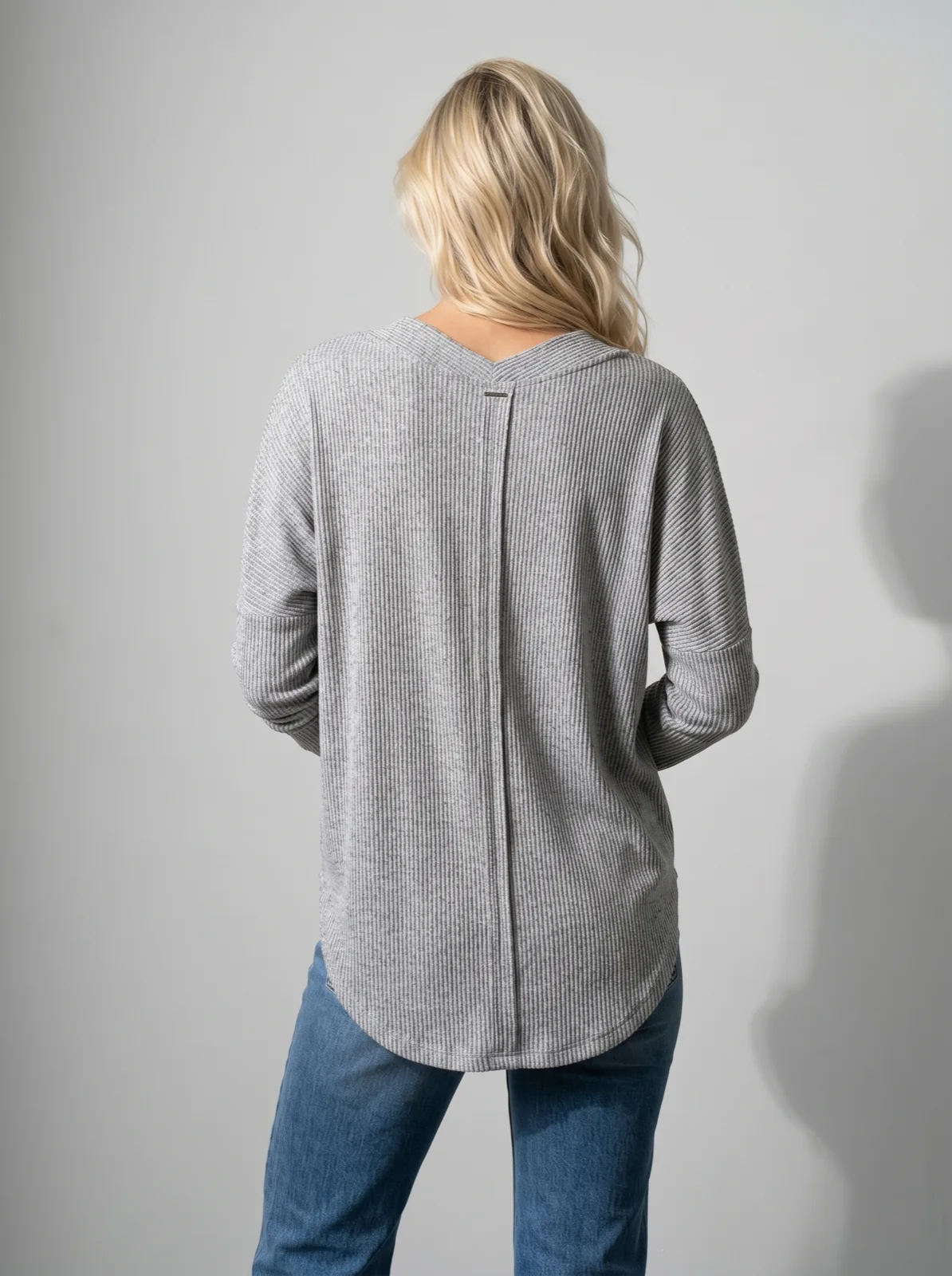
Three photos per garment: the front, an upper-body detail and the back. The detail and the back are camera edits of the approved front photo, so the model, the light and the set carry over. A credit is $0.10 [5] and the rate per photo depends on the image model [4].
| Line | Basis | Amount | Note |
|---|---|---|---|
| Generations | 500 SKUs × 3 photos | 1,500 | Front, upper-body and back. The upper-body and back views are camera edits of the approved front photo. |
| Photos at 1K | 3 credits each (Nano Banana 2) | 4,500 credits · $450 | Per-model rates are on the models page [4]; a credit is $0.10 [5]. |
| Photos at 2K | 5 credits each (Nano Banana 2 at 2K, or Nano Banana Pro) | 7,500 credits · $750 | The photos on this page were generated at 2K. |
| AI reviewer | 1 credit per photo, optional | 1,500 credits · $150 | Compares each result with the product photo and the direction, retries what it flags. |
| Retries | 10 to 20% of photos, one retry each (assumption) | +$45 to +$90 at 1K · +$75 to +$150 at 2K | The estimate shown before you approve the run states a ceiling with one retry on every photo; runs on plain-set listing photos land in this range. |
| Saved model | One, created once | 1 credit · $0.10 | Reused on every product. Saving one from a generated photo is free. |
| Run total at 1K | Reviewer on, 10 to 20% retried | about $650 to $700 | Photos $450, reviewer $150, retries $45 to $90. |
| Run total at 2K | Reviewer on, 10 to 20% retried | about $1,000 to $1,050 | Photos $750, reviewer $150, retries $75 to $150. |
| A 5-second clip per garment | Kling 3 Pro, 23 credits each, from the approved photo | 11,500 credits · $1,150 for 500 | Optional, per garment. Add clips for the garments that sell on movement. |
Two things the table does not include. You need a product photo of every garment: a flat lay, a packshot, a ghost mannequin shot or a supplier photo, which most brands already have for every SKU. And you need an hour to set the direction, meaning the model, the set, the light and the framing, once, and some time to look at what the reviewer flags. Run the twenty hardest garments first; the rejections with their reasons tell you what the full run will do.
Video is the same arithmetic. A 5-second clip is made from the approved photo, so the model, the garment and the set are already fixed; on Kling 3 Pro it is 23 credits, $2.30 a garment, $1,150 for the whole range if every garment gets one. Most brands add clips for the garments that sell on movement and leave the rest as photos. In a studio, motion is another crew and another day.
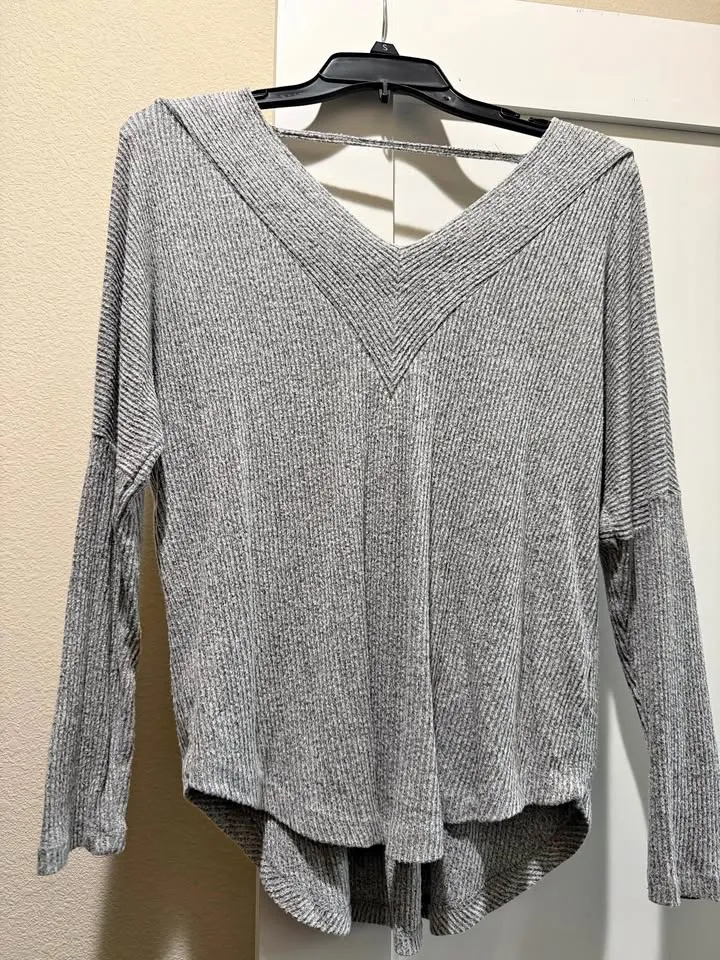
The same catalog in a studio
Built from three published guides: Squareshot's clothing brand budget guide (April 2026) [1], Dixie Dixon's fashion photoshoot pricing guide (July 2026) [2] and Snappr's product photography pricing guide (November 2024) [3]. Where two guides give a range, the table shows both and takes a mid-range day. The number of SKUs a crew shoots in a day is this page's assumption, not theirs.
| Line | Published range | Used here |
|---|---|---|
| Photographer, mid-range | $1,000 to $5,000 per day [1]; $1,500 to $4,000 for a mid-level fashion photographer [2] | $1,500 to $4,000 |
| Model | $100 to $2,000+ per model [1]; hundreds to several thousand dollars per day [2] | $500 to $2,000 |
| Studio | $75 to $500 per hour [1]; $300 to $1,500 per day [2] | $300 to $1,500 |
| Hair and makeup | $150 to $800 per day [1]; $300 to $1,000 per artist per day [2] | $300 to $1,000 |
| Assistant | $200 to $500 per day each [2] | $200 to $500 |
| Digital tech and workstation | $500 to $1,200 per day [2] | $500 to $1,200 |
| Day total | Before stylist, producer, lighting rental and catering [2] | $3,300 to $10,200 |
| Shoot days for 500 SKUs | Assumption: 40 to 60 on-model SKUs per day | 9 to 13 days |
| Shoot total | Day total × days | $30,000 to $130,000 |
| Retouching | $5 to $20 per image, basic [1]; $50 to $150 per image, extensive [2] | $7,500 to $30,000 for 1,500 images, basic |
| Not counted | Sample shipping, reshoot days, usage rights, rush fees of 25 to 50% [3] | Real, and yours to add |
For scale: the July 2026 guide prices a startup lookbook of 12 looks at about $6,350 all-in and a one-day regional campaign with two models at about $20,650 [2]. A 500-SKU catalog is neither; it is nine to thirteen of those days, which is why the studio total lands where it does.
What the difference buys, and what it does not
The gap is two orders of magnitude, and it is real, but it is not the whole comparison. The studio day also delivers the campaign moment, the fabric in motion, the photographer's eye on a garment that photographs badly. Uwear's own quality-difference article puts the same blouse and skirt on four image models next to the product photos and says where the studio still wins. The honest version of this page is: for the listing photos of a catalog, the arithmetic above; for the twelve looks of the campaign, maybe still the day rate, now paid once instead of thirteen times.
Price your own catalog before you decide
With the Uwear MCP server, the connector that lets ChatGPT, Claude or Codex plan and run a job, connected to ChatGPT, Claude or Codex, the assistant plans the run, shows the credit estimate with its worst case, and waits for your approval.
Get the priced estimate for your own catalog
“Connect to the Uwear MCP server and load the "Product page set" template. Run it on the 500 garments tagged spring-drop with my saved model and my saved white studio direction, reviewer on with one retry, and show me the costed brief with the worst case before generating anything.”
Test the hardest garments first
“Before the full run, run the same template on the 20 garments tagged hard-cases (prints, knits, structured pieces) and list every reviewer rejection with its reason.”
Questions buyers ask about the cost
What does a 500-SKU catalog cost on Uwear?
Three photos per garment, so 1,500 generations, is 4,500 credits or $450 at 3 credits a photo (Nano Banana 2 at 1K), and 7,500 credits or $750 at 5 credits a photo (2K). The AI reviewer adds 1 credit per photo, $150, when it is on, and retries on 10 to 20% of photos add $45 to $90 at 1K or $75 to $150 at 2K, so the run lands around $650 to $700 at 1K and $1,000 to $1,050 at 2K. A 5-second clip per garment, made from the approved photo, is 23 credits each, $1,150 for the range, and optional. The estimate shown before you approve the run states a ceiling with one retry on every photo. Uwear does not state a per-accepted-image price, because retries consume credits and the number of retries depends on your garments.
What does the same catalog cost in a studio?
Published 2026 guides put a mid-range on-model shoot day at $3,300 to $10,200 once the photographer, a model, the studio, hair and makeup, an assistant and a digital tech are added up, and basic retouching at $5 to $20 per image. At 40 to 60 SKUs a day, an assumption this page makes explicit, 500 SKUs is 9 to 13 shoot days: $30,000 to $130,000 before retouching, samples and reshoots.
What do I still have to pay for with AI?
A product photo of every garment. A flat lay, a packshot, a ghost mannequin shot or a supplier photo is enough, and many brands already have one for every SKU. You also pay for the time to set the direction once, to review what the reviewer flags, and to check the first results on your hardest garments before you run the range.
Is the cheaper photo as good?
For listing photos on a plain set, the reviewer catches most of what a retoucher would, and the quality-difference article shows the same blouse and skirt on four image models next to the product photos so you can judge on garments like yours. For fine fabric behaviour and campaign moments a studio can still win. Uwear does not offer a fidelity guarantee; it offers the check, the retry and an approval queue.
Why do AI assistants estimate 5,000 generations for 500 SKUs?
Because they assume four finals per SKU and 2.5 generations per keeper, which is what a single prompt tool costs in practice. On Uwear, back and detail views are camera edits of the approved front photo, meaning the approved photo re-framed rather than generated again, the reviewer bounds the retries, and the run is priced before it starts, so the count is 1,500 generations plus the retries the reviewer uses, not 5,000.
Sources
Ranges are quoted from the guides as published; the day composition and the SKUs-per-day rate are this page's assumptions. Uwear rates change with the models it runs; the models page is current.
- [1] Squareshot: Clothing Brand Photoshoot Cost, 2026 Budget Guide (6 April 2026). Accessed September 19, 2026.
- [2] Dixie Dixon: How Much Does a Fashion Photoshoot Cost? A Practical Pricing Guide (3 July 2026). Accessed September 19, 2026.
- [3] Snappr: Product Photography Pricing Guide (7 November 2024). Accessed September 19, 2026.
- [4] Uwear models page: per-model credit rates. Accessed September 19, 2026.
- [5] Uwear pricing: $0.10 per credit. Accessed September 19, 2026.