How to make a fashion lookbook: template, sizes, examples, and a real one made on one AI model
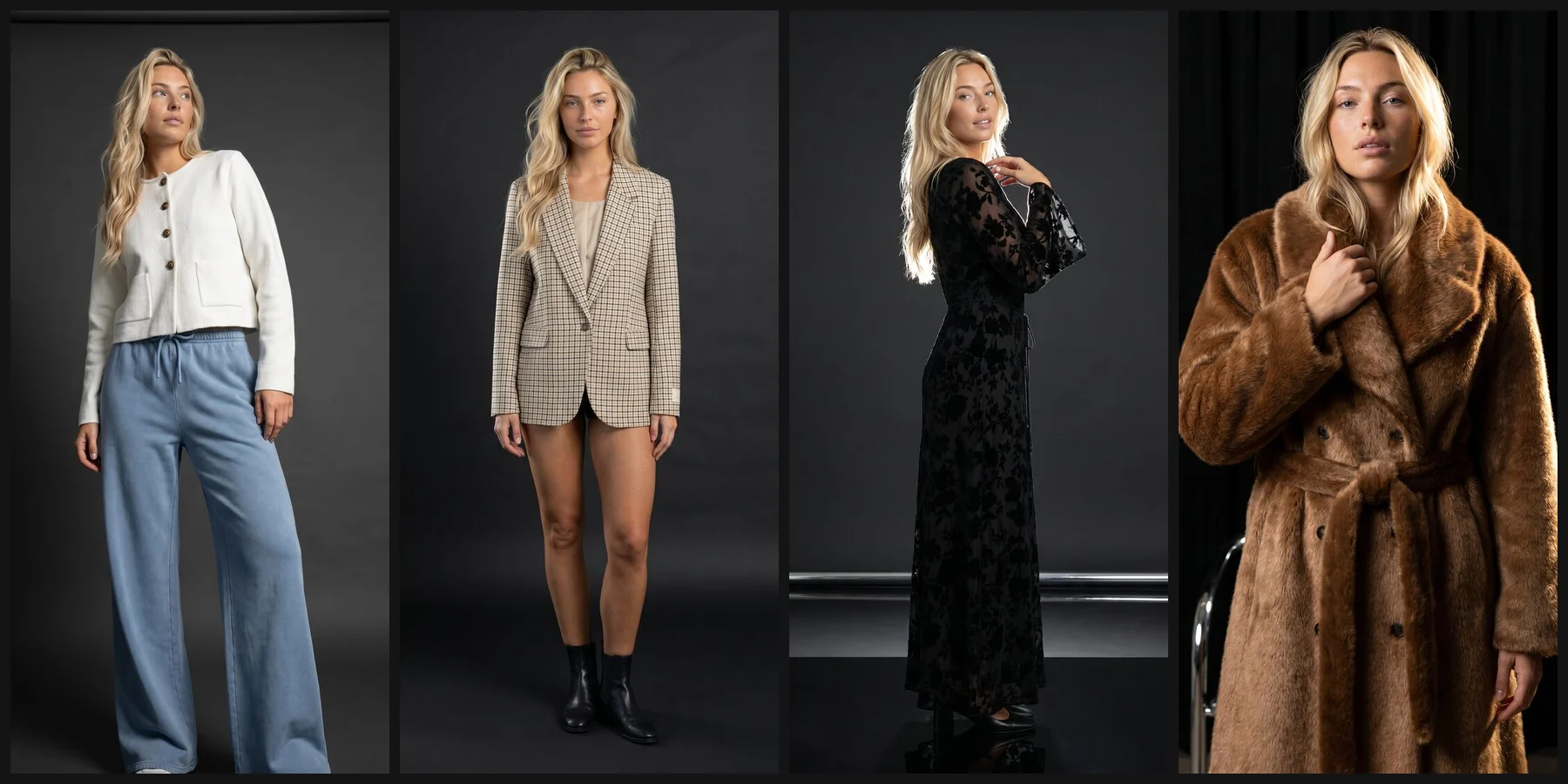
A fashion lookbook is an editorial-style catalog of a collection: styled looks, photographed the same way, shared with wholesale buyers, press and customers [1]. To make one, set the concept, pick the looks, keep one model and one light for the whole shoot, photograph every look, lay them out with a cover, a short story and a contact page, and export a PDF and a 4:5 version for Instagram. Uwear makes the photos from a product photo of each garment: every look goes on one saved model in one saved art direction, so the book reads as one shoot.
The shoot is the expensive part: a 12-look startup lookbook came to about $6,350 in one photographer's published breakdown [4]. Below are the pages a lookbook needs, the steps, the sizes, a few brand examples, and a real seven-look lookbook made on Uwear.
What is a lookbook, and how is it different from a line sheet?
Brands send the lookbook and the line sheet together, and buyers read them differently. In JOOR's words, the main difference comes down to shoppability [1]; StartUP FASHION puts it as “lookbooks give you the feel, line sheets give you the facts” [2]. A catalog is the third document: a reference built to inform, with specs and prices [3].
| Lookbook | Line sheet | Catalog | |
|---|---|---|---|
| What it does | Shows the feel of the collection in styled looks | Gives buyers the facts to place an order | Lists products with specs and prices |
| Who reads it | Wholesale buyers, press, customers | Wholesale buyers | Customers and buyers |
| On the page | Full-look photos, look numbers, style numbers, colorways | Style names, season, wholesale prices, size runs, colors, materials, suggested markup | Product photos, specs, prices, dimensions |
What goes in a fashion lookbook? A page-by-page template
| Page | What goes on it |
|---|---|
| Cover | Collection name, season and one strong image [5] |
| Collection story | One paragraph, 100 words or less [5] |
| Look pages | One full-look photo per look, numbered, with the style numbers and colorways of every piece in it [5] |
| Hero looks | A second pose or a closer crop for the two or three strongest looks |
| Contact page | Sales email, press contact, showroom address and order deadlines [5] |
Keep the same framing on every look page, so a buyer compares garments, not photos [6]. Canva [18] and Flipsnack [12] have lookbook templates laid out this way.
How do you make a fashion lookbook, step by step?
- Set the concept. Pick the theme and build a moodboard of images, fabric swatches and colors [15]. It decides the setting, the styling and the light.
- Pick the looks. Every look once, the strongest ones first.
- Fix the person and the light. One model and one setting for the whole book. When only the garment changes from page to page, the book reads as one collection.
- Photograph every look. A full-look photo for each, and a second pose for the hero looks.
- Put them in order. Open on the look that sums up the season, group by color or story, close on a strong one.
- Lay it out. A template for a digital book, InDesign if it goes to print.
- Export it twice. A PDF for buyers and press, a 4:5 carousel or a web page for customers.
What size is a lookbook? Print and digital formats
| Format | Size | Length |
|---|---|---|
| Print, editorial | A4, 210 × 297 mm | 24 to 32 pages for a seasonal book [7] |
| Print, US sizes | 8.5 × 11 in, 9 × 12 in, or square from 6 × 6 to 12 × 12 in | 8 to 96 pages [8] |
| Instagram carousel | 1080 × 1350 px (4:5) | Up to 20 slides [10] |
| Digital | A PDF for buyers, a flipbook, or a shoppable web page [9] | Any length; updated without a reprint [16] |
There is no single standard size. Print suits showrooms, events and direct mail; digital suits ecommerce, email and social, costs less to send and can be changed without a reprint [16]. Most brands that sell online start digital, so shoot or crop every look to survive a 4:5 frame.
Fashion lookbook examples
Three digital lookbooks from Dash's roundup of brand lookbooks [17], each doing one thing well:
- Botter, AW24: each look gets its own space, and a details button opens names, materials and pricing for press and buyers.
- Wax London, SS25: shoppers switch between product-only and on-model views, and every item links to its product page.
- adidas: full-bleed images and little copy; each look clicks through to the pieces in it.
Can you make a lookbook with AI models? A real seven-look example
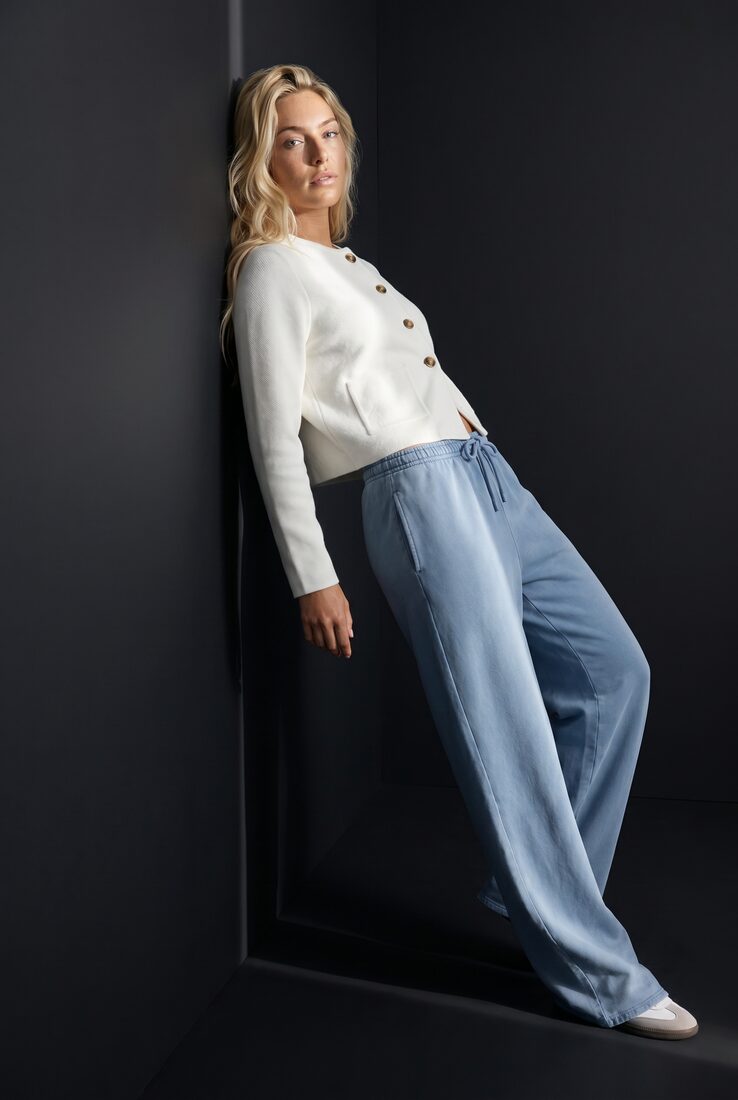
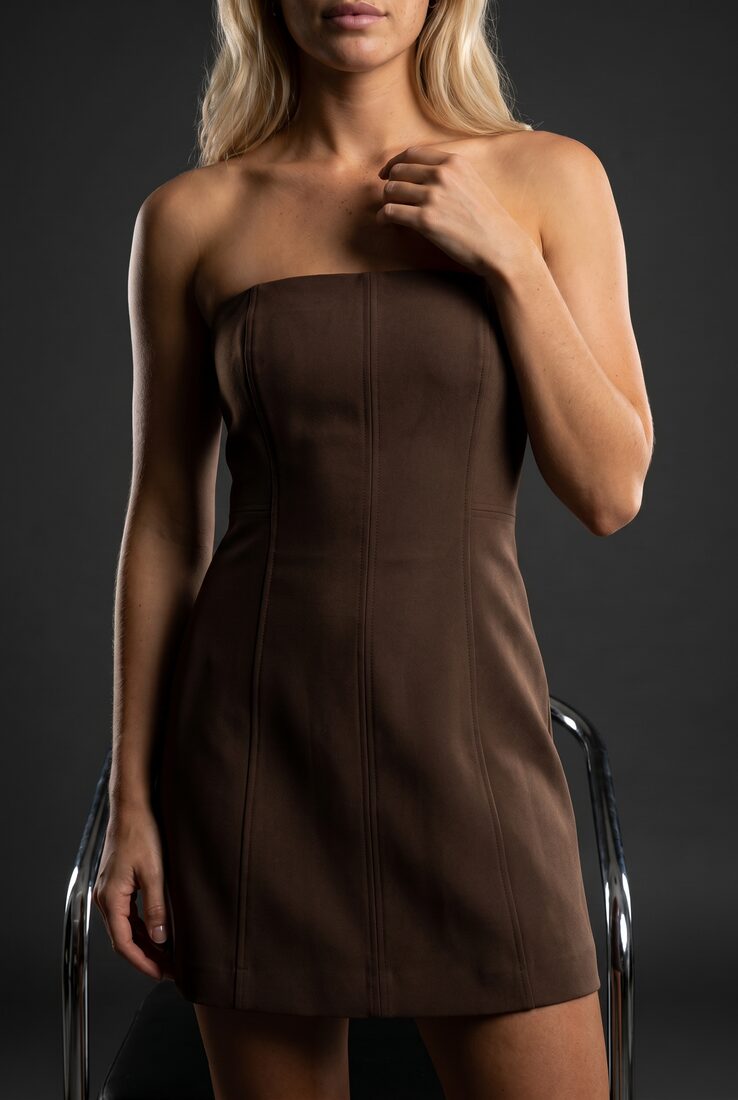
Yes, if the photos keep one person and one light across every look. These seven looks were generated on Uwear in the Noir direction from its art direction library [13]: a dark studio, one hard key light, the same saved model in every frame. Only the garment changes from page to page. That is the thing a lookbook shoot is booked for, and the thing a one-off AI image does not give you. The lookbook and campaign page shows how a series like this runs.
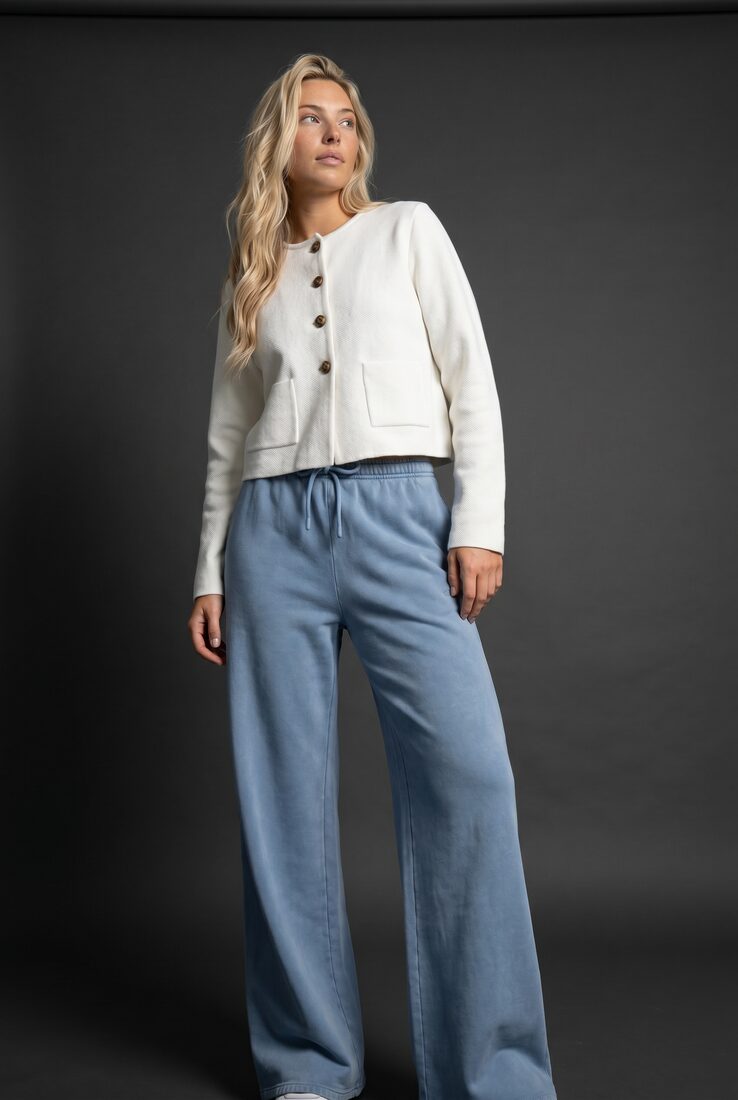
Look 01
Cream cropped jacket, light-blue wide-leg trousers
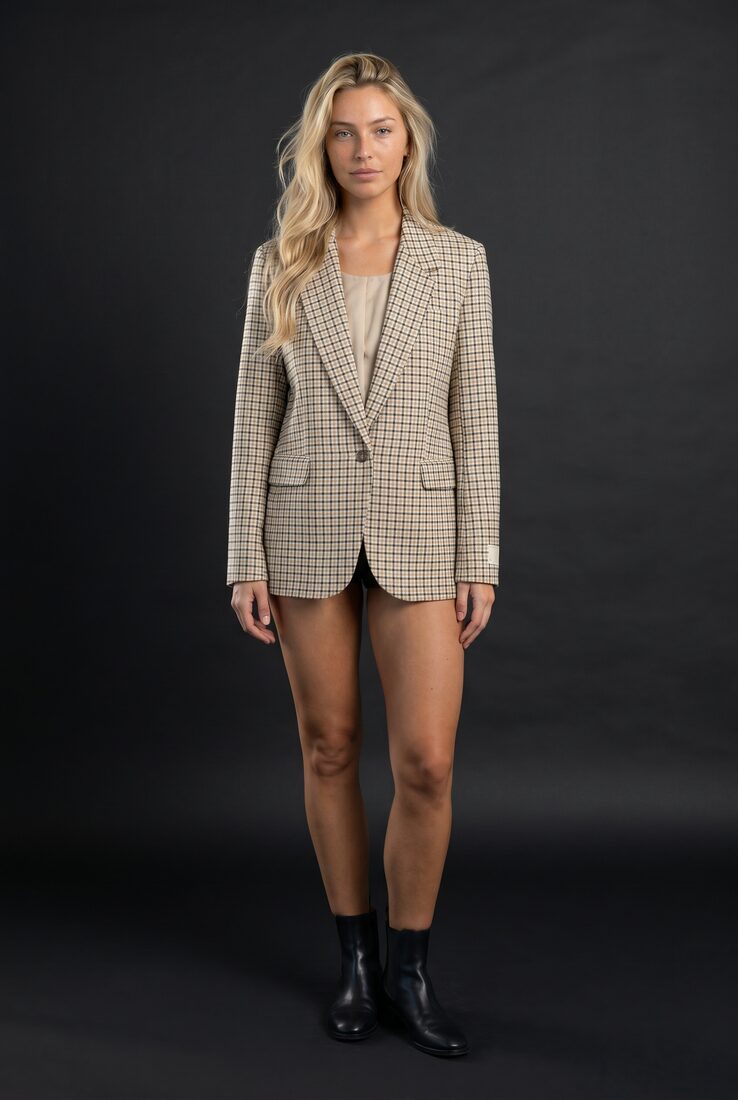
Look 02
Check blazer, black ankle boots
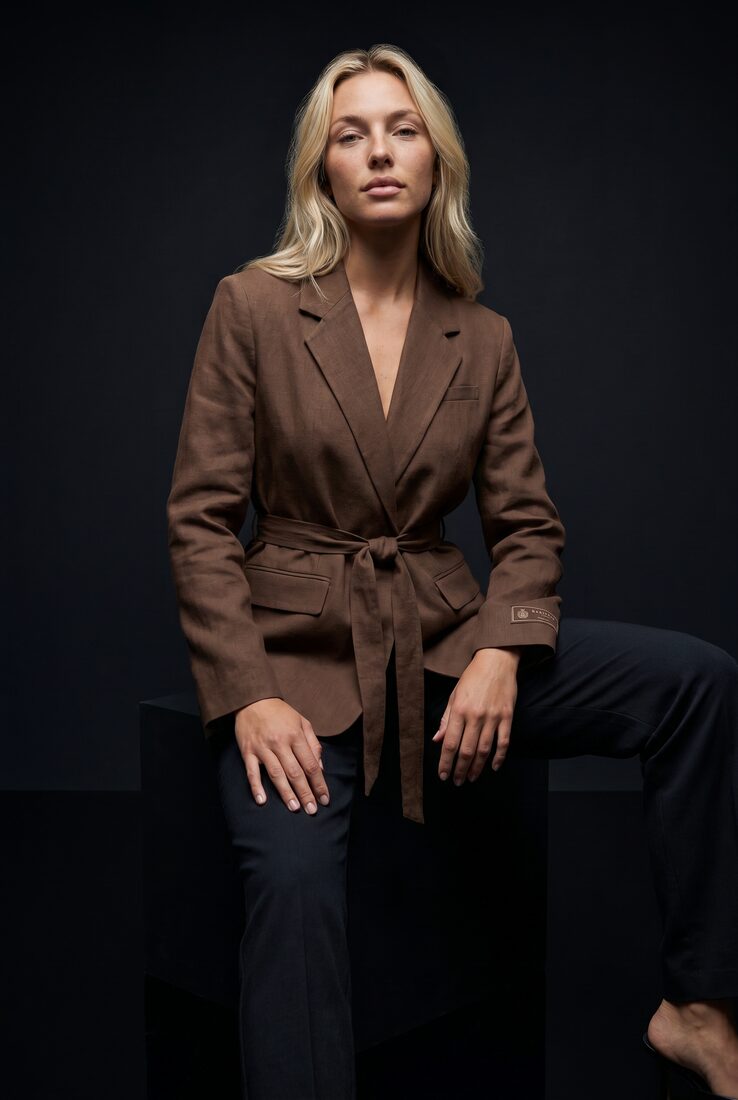
Look 03
Belted brown linen blazer, black trousers
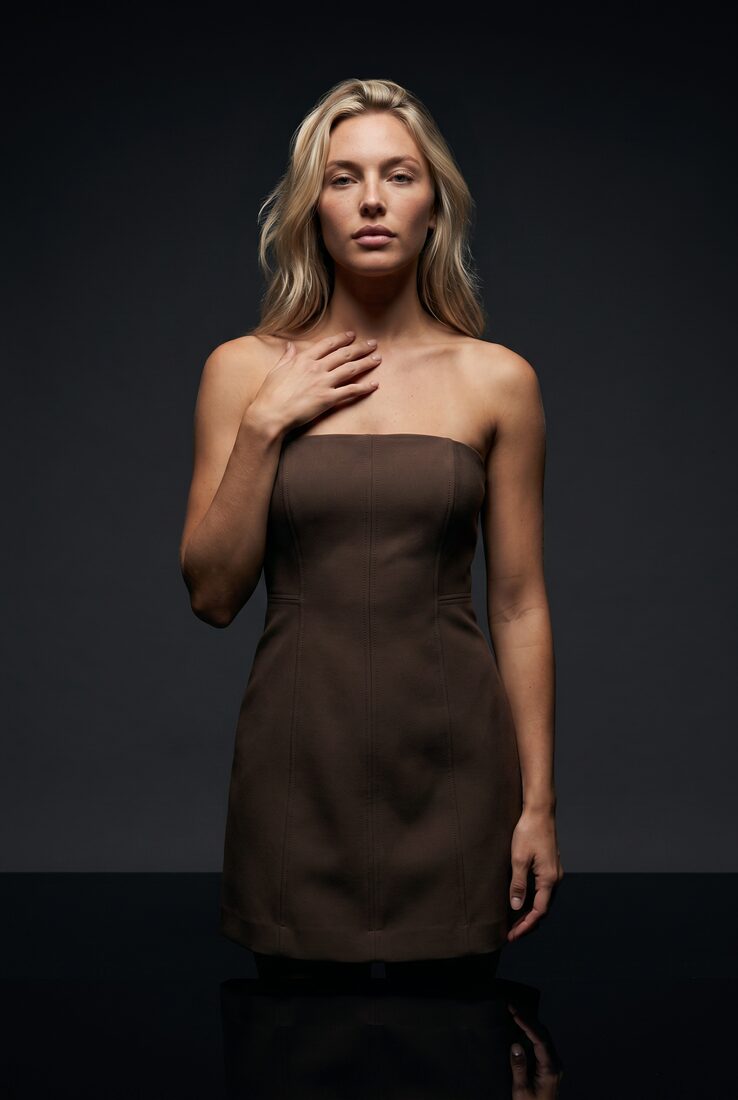
Look 04
Brown strapless mini dress
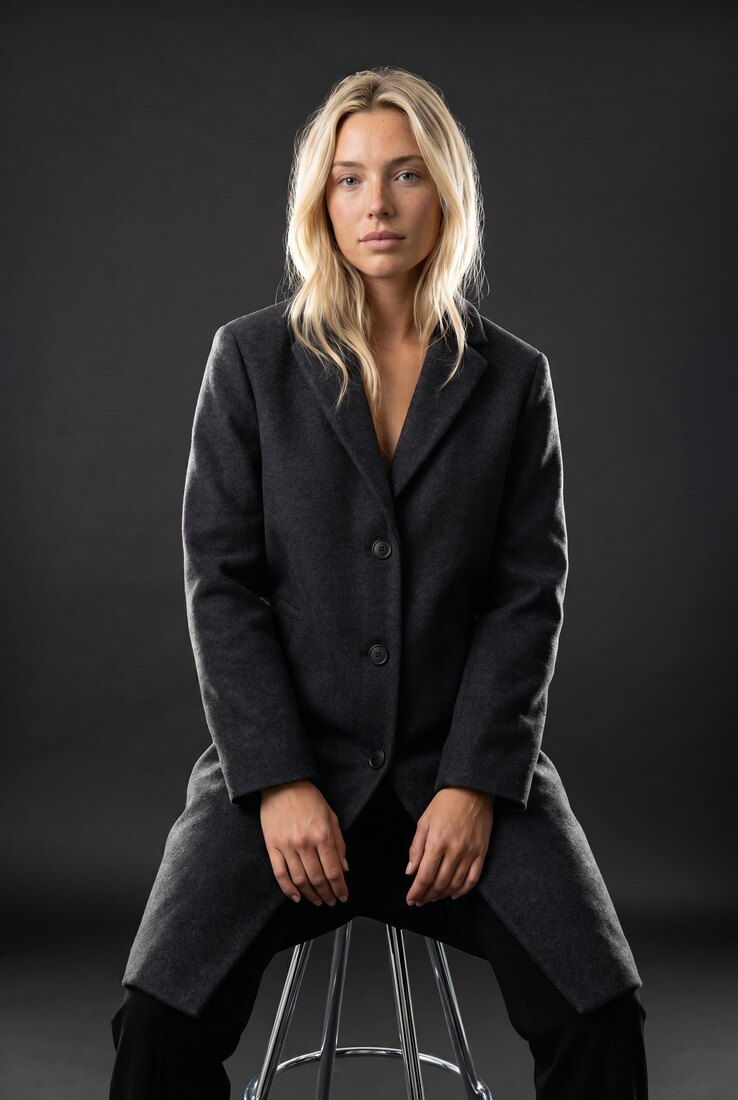
Look 05
Charcoal long coat
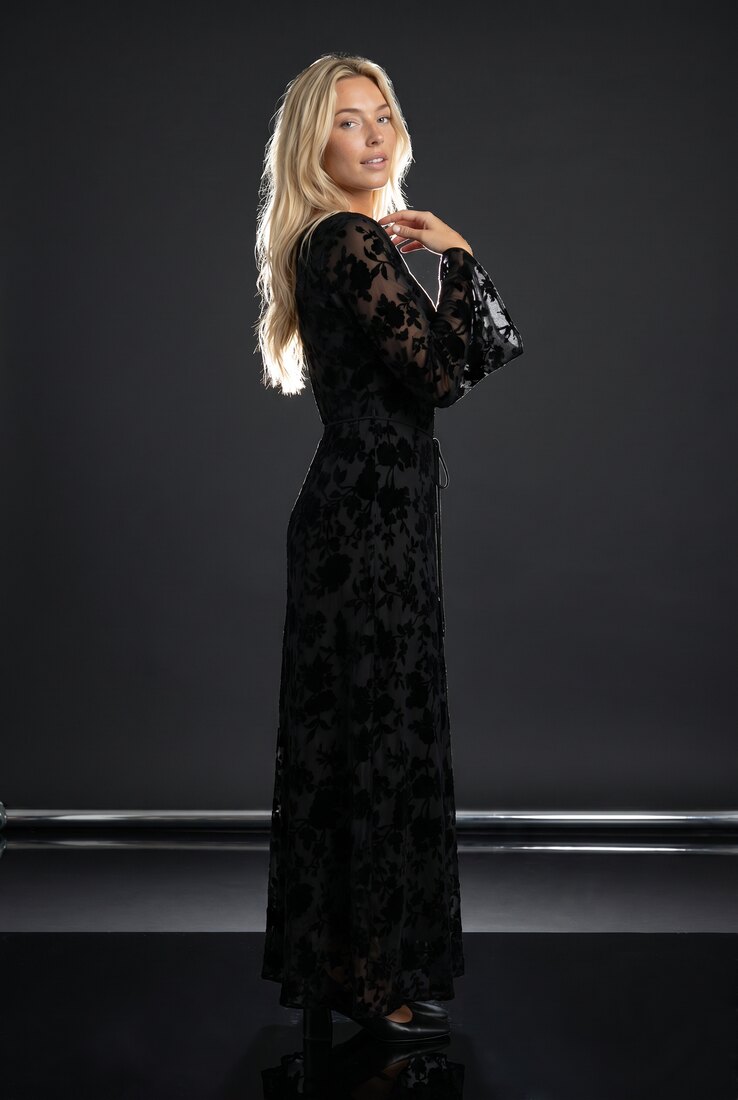
Look 06
Black floral burnout maxi dress
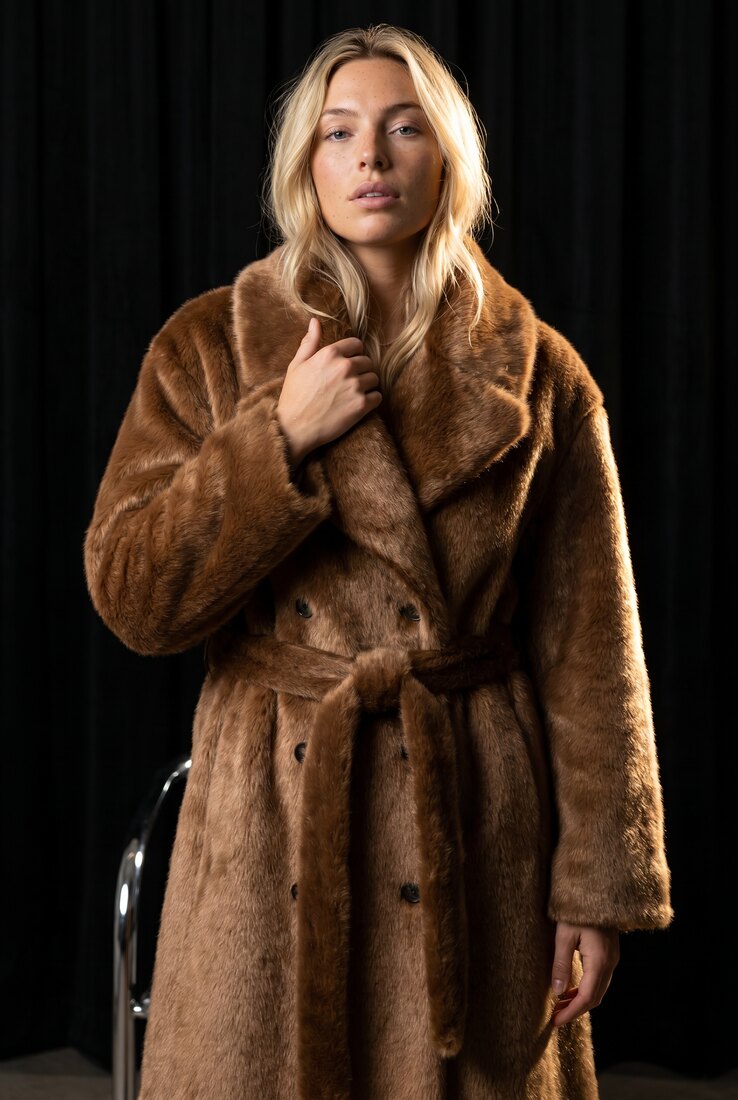
Look 07
Belted faux-fur coat
Last page
Sales email, press contact, showroom address, order deadline.
How much does a lookbook shoot cost?
| A studio shoot | On Uwear | |
|---|---|---|
| Photographer | $750 to $4,000 a day [4] | None |
| Model | Hundreds to several thousand dollars a day [4] | A saved model: 1 credit to create, 0 when saved from a generated photo |
| Studio | $300 to $1,500 a day [4] | A saved art direction: 0 credits to save |
| Hair and makeup | $300 to $1,000 per artist per day [4] | None |
| Stylist | $600 to $1,500 a day [4] | None |
| Published examples | 12 looks for about $6,350 with one year of web and social use [4]; a half-day package at $1,500 for 10 to 15 looks, model and hair extra [11] | 7 looks × 2 photos at 5 credits (Gemini 2.1 at 2K, the default image model): 70 credits, $7. The optional AI check adds 1 credit per photo [14] |
The Uwear column is an estimate for a run like the one above at published rates, not the recorded cost of these images; rates per image model are on the models page [14]. What it needs from you is a product photo of each garment: a flat lay, a packshot or a supplier photo. A studio still makes sense for a campaign built around a real place or a known face; for a buyer's book where the collection is the subject, the booking is most of the bill.
Questions brands ask about lookbooks
How long does it take to make a lookbook?
The shoot itself can be half a day: one New York studio’s lookbook package covers 10 to 15 looks in a half day. Planning, booking the crew, retouching and layout add the rest, and Orbitvu’s guide puts a traditional lookbook at several weeks from start to finish.
How many looks should a lookbook have?
As many as the collection has, each shown once. A half-day lookbook package at one New York studio covers 10 to 15 looks; a startup lookbook in a published cost breakdown had 12. Give the strongest looks a second pose rather than adding filler.
What is the difference between a lookbook and a moodboard?
A moodboard comes first and stays internal: images, fabric swatches and colors that set the idea of the collection. The lookbook comes after the collection is made and goes out to buyers, press and customers: the finished pieces, photographed and laid out to sell.
Can I create a lookbook online for free?
Yes for the layout: Flipsnack has a free plan for a basic digital lookbook, and Canva has free lookbook templates. The photos are the part that costs money: a studio shoot, or generated photos on one saved model.
Can lookbook photos be reused on product pages and social media?
Yes, and that is most of their value. Orbitvu’s guide lists a printed catalog, email campaigns, a web lookbook, product images for the store and social posts from the same shoot. Frame every look so it survives a 4:5 crop for Instagram, and keep the garment fully in frame for the product page.
Sources
Prices and sizes are as published by each source on its access date. Uwear rates are on the models page.
- [1] JOOR: Line sheets vs. lookbooks in fashion, similar but different. Accessed October 2, 2026.
- [2] StartUP FASHION: The difference between a lookbook and a line sheet. Accessed October 2, 2026.
- [3] Flipsnack: Lookbooks vs. catalogs. Accessed October 2, 2026.
- [4] Dixie Dixon: How much does a fashion photoshoot cost (day rates and a 12-look startup lookbook). Accessed October 2, 2026.
- [5] Fast.io: Fashion lookbook guide (cover, story, style numbers, contact page). Accessed October 2, 2026.
- [6] Signal Studio NYC: Fashion lookbook shot list. Accessed October 2, 2026.
- [7] Paperlust: Lookbook printing for fashion creators (sizes and page counts). Accessed October 2, 2026.
- [8] 1800Printing: Fashion lookbooks (US print sizes and page counts). Accessed October 2, 2026.
- [9] Shopify: Lookbooks, how to use lifestyle photos to boost sales. Accessed October 2, 2026.
- [10] RecurPost: Instagram post size guide (carousel size and slide limit). Accessed October 2, 2026.
- [11] Signal Studio NYC: Fashion photography packages. Accessed October 2, 2026.
- [12] Flipsnack: Digital lookbook maker (free plan). Accessed October 2, 2026.
- [13] Uwear art direction: the library of saved directions, including Noir. Accessed October 2, 2026.
- [14] Uwear models page: per-model credit rates. Accessed October 21, 2026.
- [15] Make the Dot: How to create a fashion lookbook (concept, moodboard, moodboard vs lookbook). Accessed October 21, 2026.
- [16] Orbitvu: How to create a fashion lookbook (print vs digital, where the photos are reused, timing). Accessed October 21, 2026.
- [17] Dash: Create a digital lookbook for your DTC fashion brand (brand examples). Accessed October 21, 2026.
- [18] Canva: Free fashion lookbook design collection (templates). Accessed October 21, 2026.