AI model for clothing brands
An AI model for your clothing brand
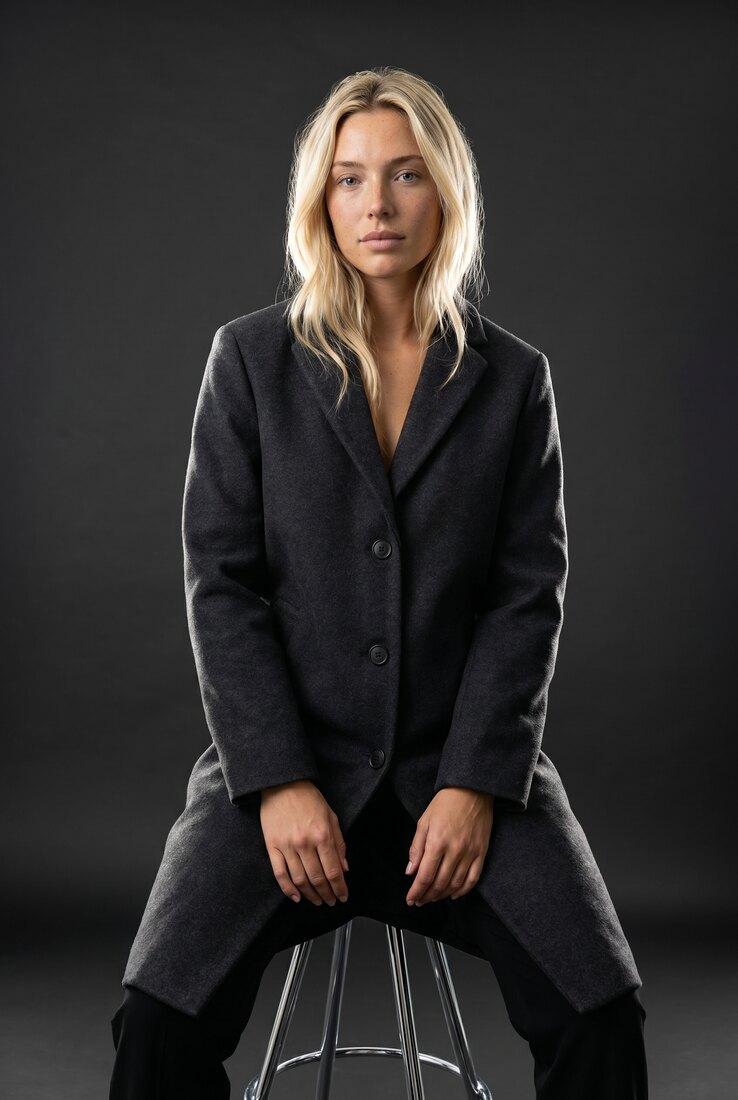
Describe the model you want, or upload reference photos, and save the result. After that, every product photo you upload can be generated on that same model: listing photos, detail shots and short clips.
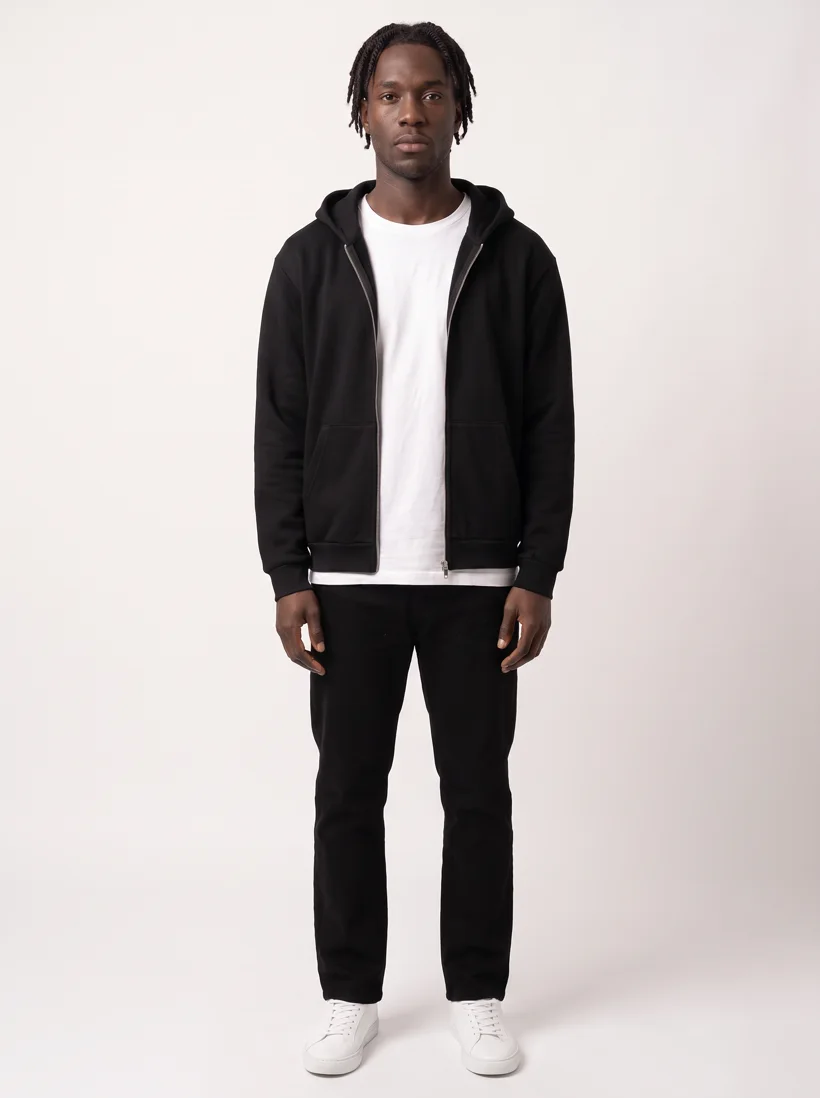
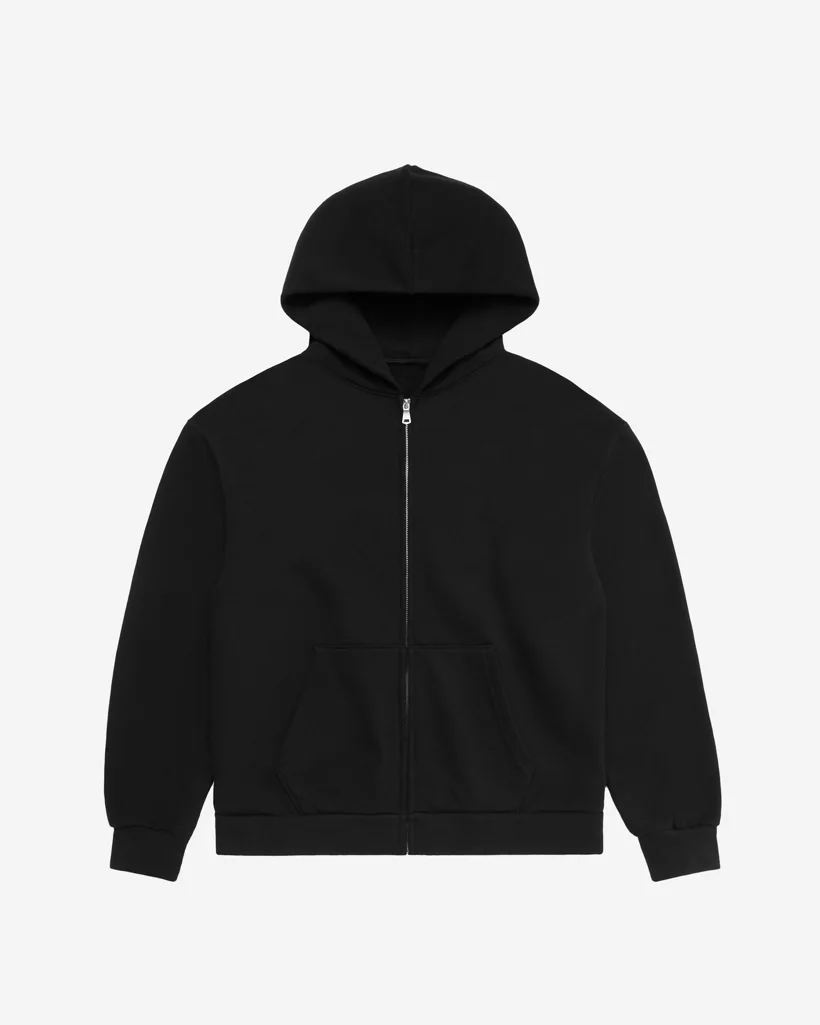
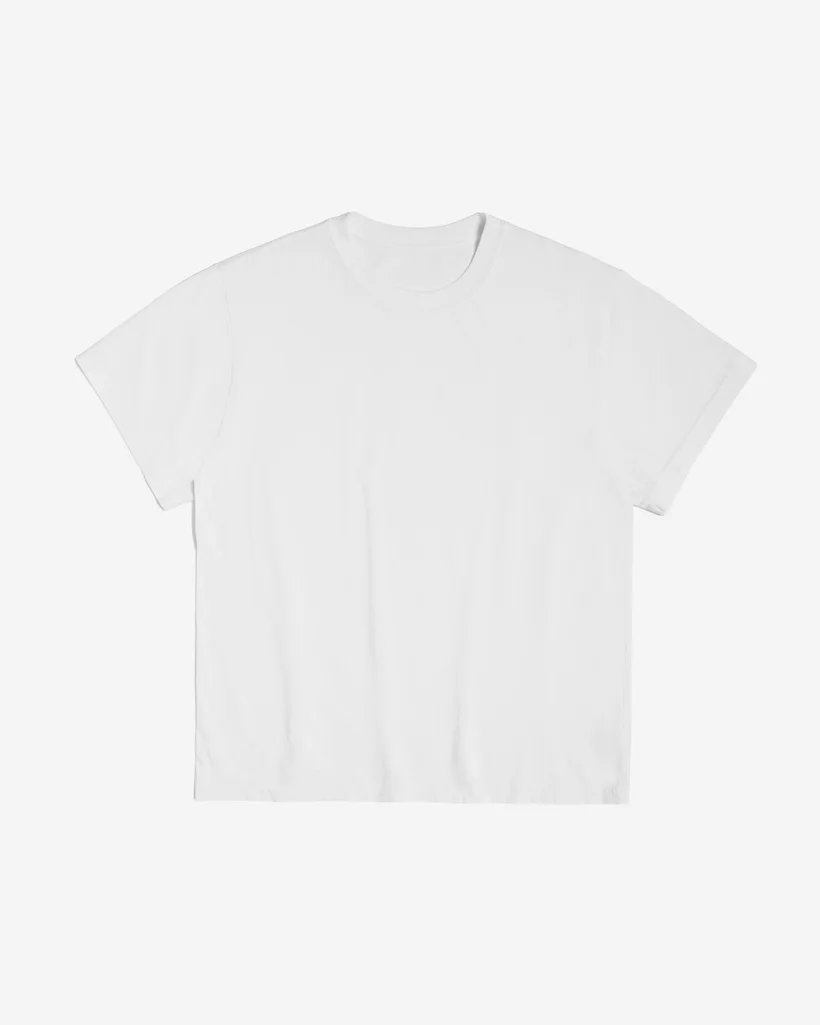
Zip hoodie over a heavyweight tee, full-body listing shot on the saved model. The two pairs below are the same person and the same garments.
Mechanism
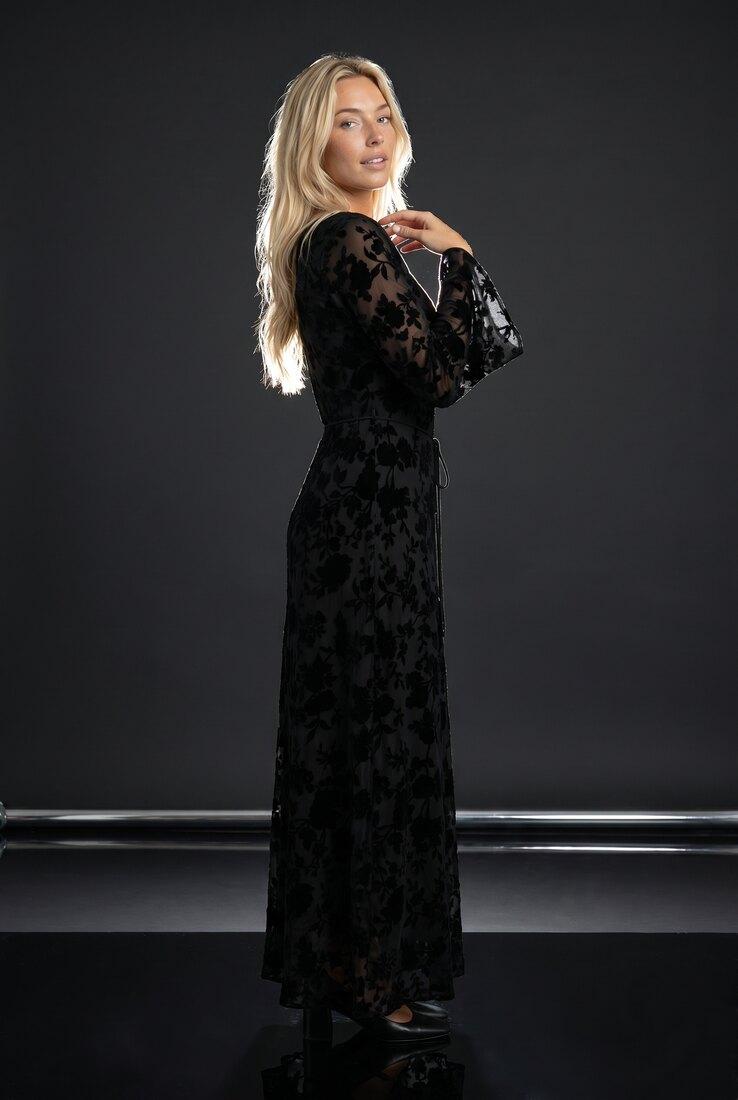
One model, saved once. Every product after that is on the same person.
 Input
Input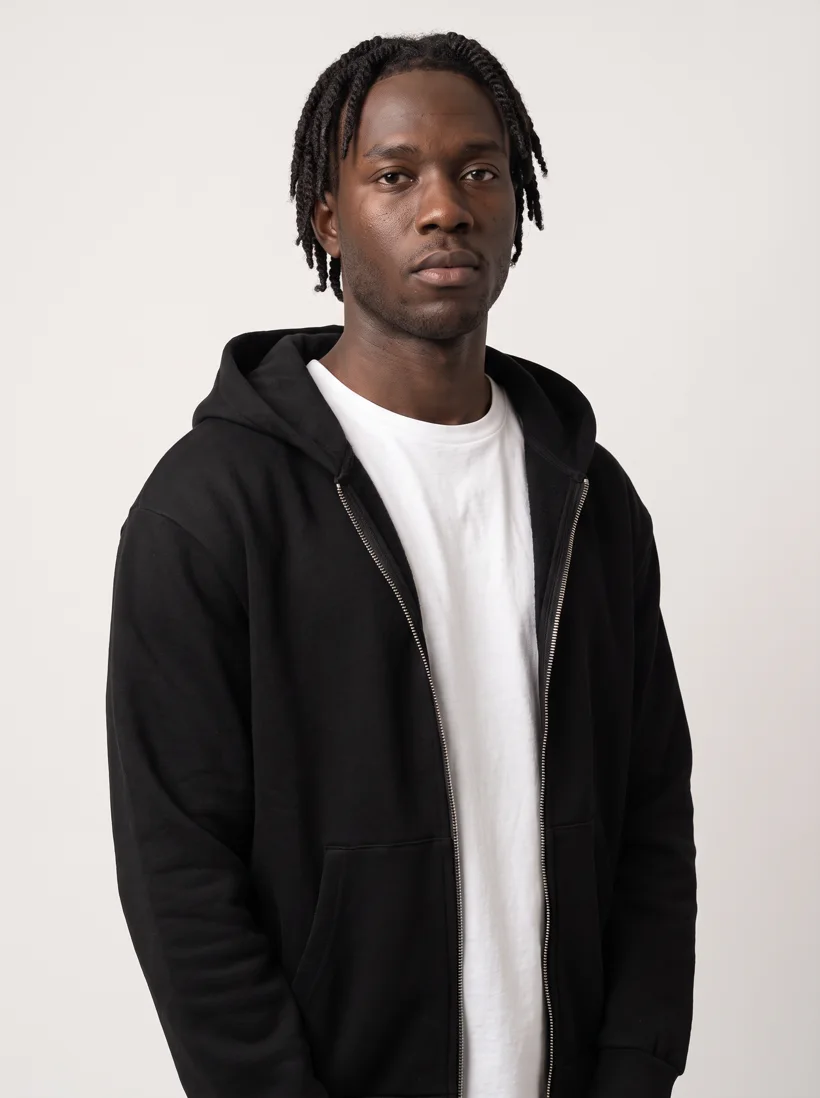 Output
 Input
Input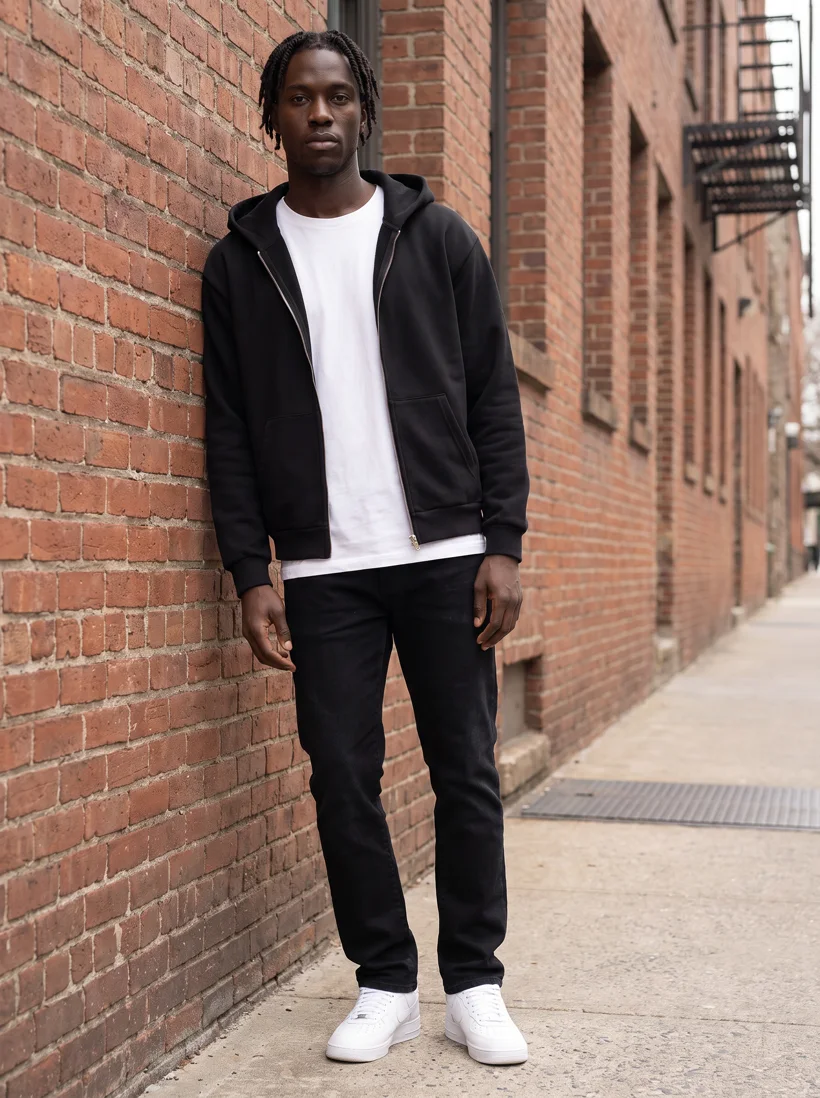 Output
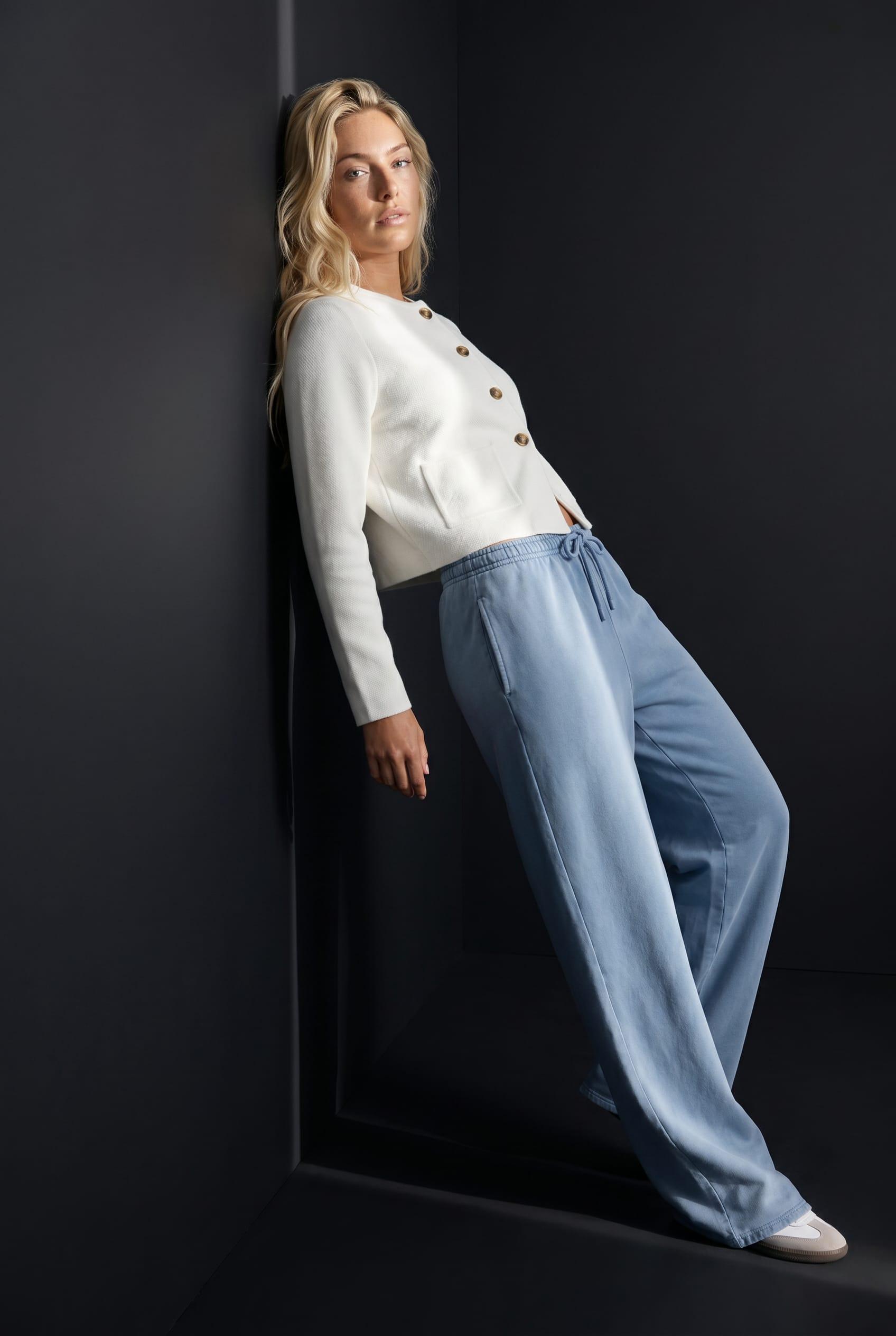
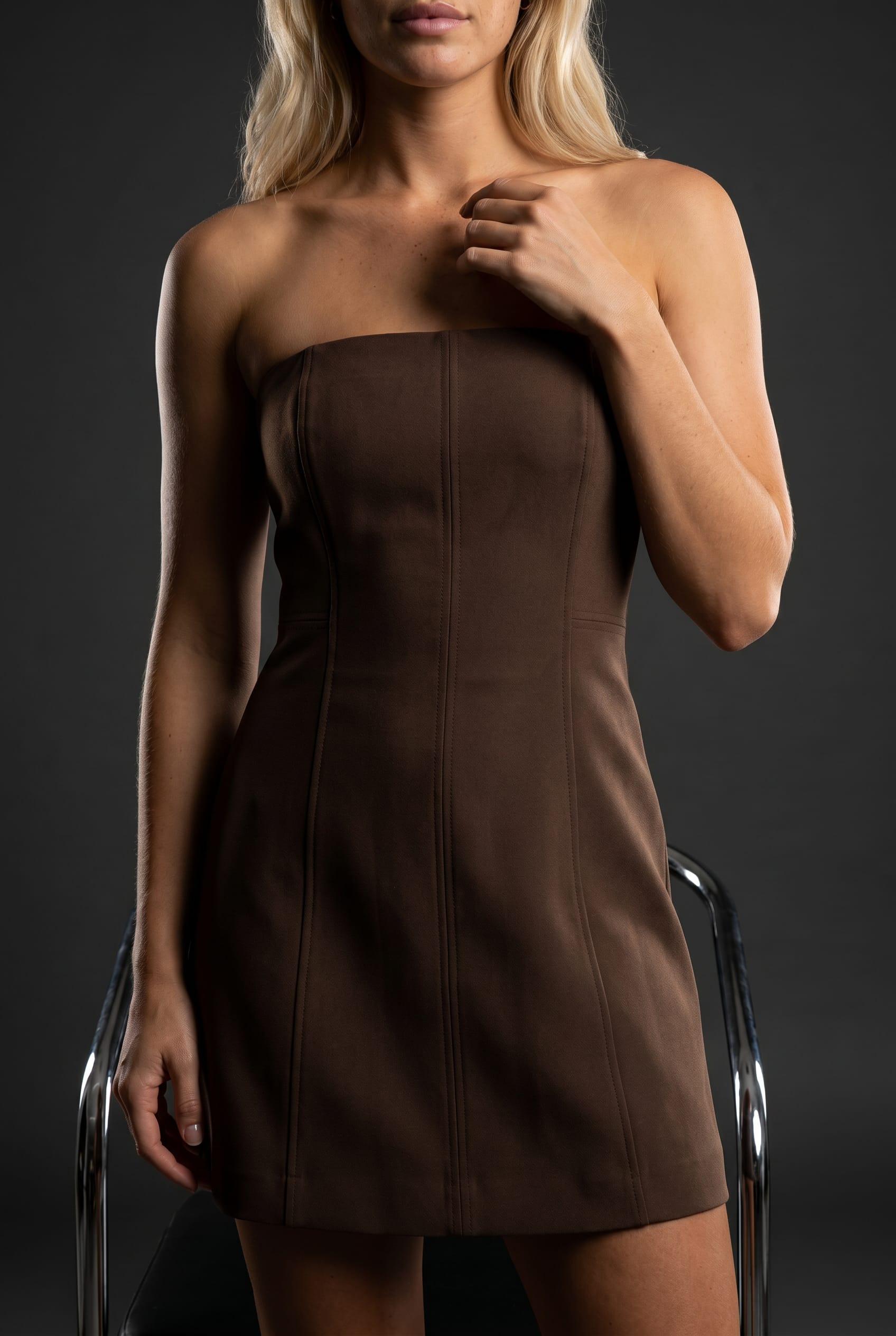
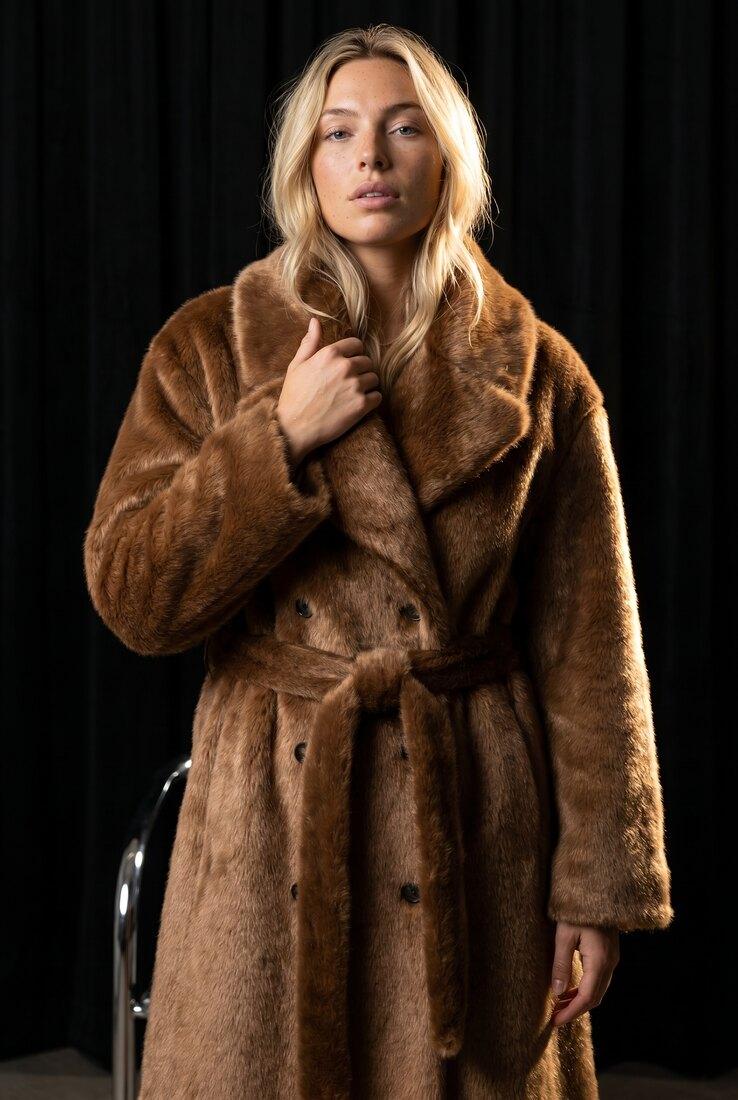
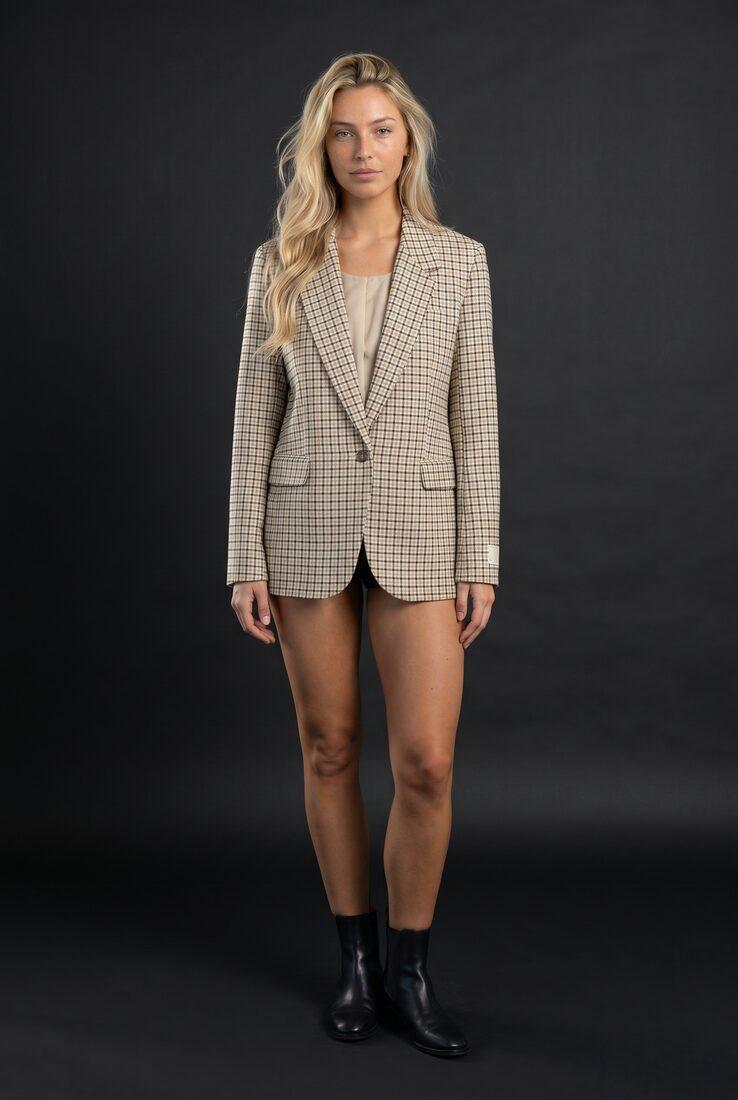
The pairs below are the product photos and what came back: an upper-body detail of the hoodie, and the same outfit in a street setting, both on the model saved for this brand. A saved model is a person in your library that every generation receives. The art direction, meaning the set, light and framing, is saved the same way, so a new product lands in the same world as the last one. Both photos are Gemini Pro at 2K, 5 credits each.
In numbers
What your own model costs and covers.
| Creating the model | 1 credit, once | From a description or reference photos. Saving a model from a photo you already generated is free. |
|---|---|---|
| A photo on the model | From 3 credits, $0.30 | Nano Banana 2 at 1K. 5 credits at 2K or with Nano Banana Pro. A credit is $0.10. |
| Back and detail views | Priced as photos | Camera edits: the approved front photo re-framed, so the person, light and set carry over. |
| A 5-second clip | 23 credits | Kling 3 Pro from an approved photo of the model. The Product page set run adds a 360-degree turn per garment. |
| The AI check | 1 credit a photo, optional | Rejects a photo that shows a different person, or a garment that drifted from its product photo, and retries it. |
| More than one model | As many as you save | One per line, one per market, or a size range on the same garment. |
| A 300-product range | From 2,700 credits | Three photos per product at 3 credits, before the check. The estimate is shown before you approve. |
| Where it runs | Web app, API, or ChatGPT and Claude | Assistants use the Uwear MCP server, the connector that lets them plan a job and wait for your approval. |
Workflow
The production loop
Choose or describe the model
Pick one from the library, or describe the one you want: age, build, skin tone, hair, styling. Reference photos work too. Save it.
Put the range on it
Upload flat lays, packshots or supplier photos and run the batch. Every product is generated on the saved model, in the saved art direction.
Approve and deliver
Turn the AI check on if you want drift retried before you see it, approve the estimate, then deliver to your store, your systems or your library.
Run it from your assistant
Run this photoshoot from your AI assistant with a Uwear template.
Connect the Uwear MCP server to ChatGPT, Claude, or Codex and ask for the Product page set template. It is a batch workflow that runs once per garment: front, upper-body, and back product-page shots on a white studio background, plus a 360-degree video, from one garment photo. Any Uwear account can load it by name, and the assistant shows a costed brief in credits before generation starts.
For campaign photos of the same model in a lifestyle setting, ask for the "Instagram drop" template instead.
Copy this prompt into your assistant
Connect to the Uwear MCP server, create a model for my brand from this description, save it, then load the "Product page set" template and run it on my product photos with that model. Turn the AI reviewer on and show me the costed brief before generating.
Frequently asked questions
Yes. Describe the model you want, or upload reference photos, and Uwear saves the result as a model in your library. From then on every product you generate can use that model. Use reference photos only of people who have agreed to it; a model built from a real person is a likeness you are responsible for.
That is what saving it is for. The model is stored once and every generation receives it, together with the saved art direction for the set, light and framing. When the AI check is on, a photo that shows a different person is rejected and retried before it reaches you.
The photo you upload is the reference. Silhouette, colour, print and construction carry over from it, and the check compares each result with it when you turn it on. Uwear does not offer a fidelity guarantee; it offers the check, the retry and an approval queue where you see the rejected takes as well as the accepted ones.
Yes. The Shopify guide covers running the Product page set from an assistant connected to both Shopify and Uwear, and delivering the photos to the product page. Other stores use the REST API; WooCommerce, Magento 2, Amazon and Salesforce Commerce Cloud have their own guides.
Related
- Size-inclusive imageryThe same garment on a range of saved models, with coverage checks per model.
- Regional model localizationOne model per storefront, with casting briefs and consent checks.
- Fashion video from approved stillsThe 5-second clip, the 360-degree turn and what they cost.
- Shopify integration guideHow the photos get from a run into the product page.
Next step
Map this workflow into your catalog operation.
Start with the use case, then decide whether the right access path is Studio, API, MCP, or a custom enterprise rollout.