AI fashion photography
AI fashion photography, directed like a shoot
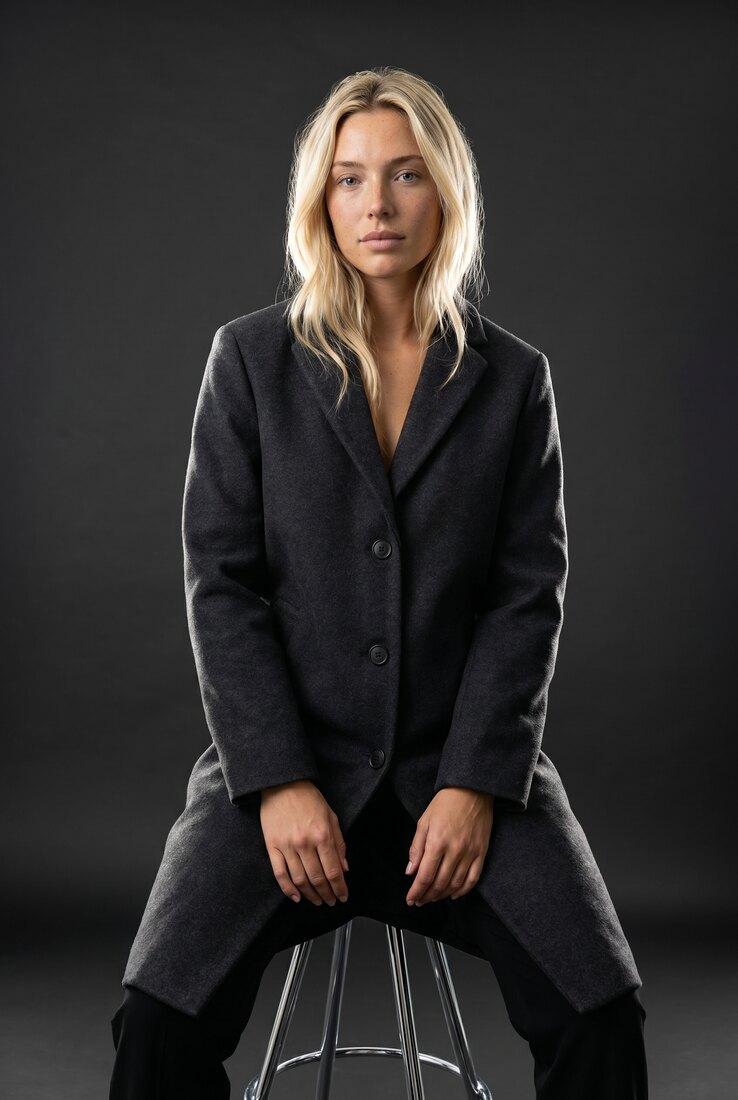
Choose the light, the set, the camera and the model once and save them as a direction. Every product photo you upload is shot in it, on the same model, and checked against the garment before it reaches you.
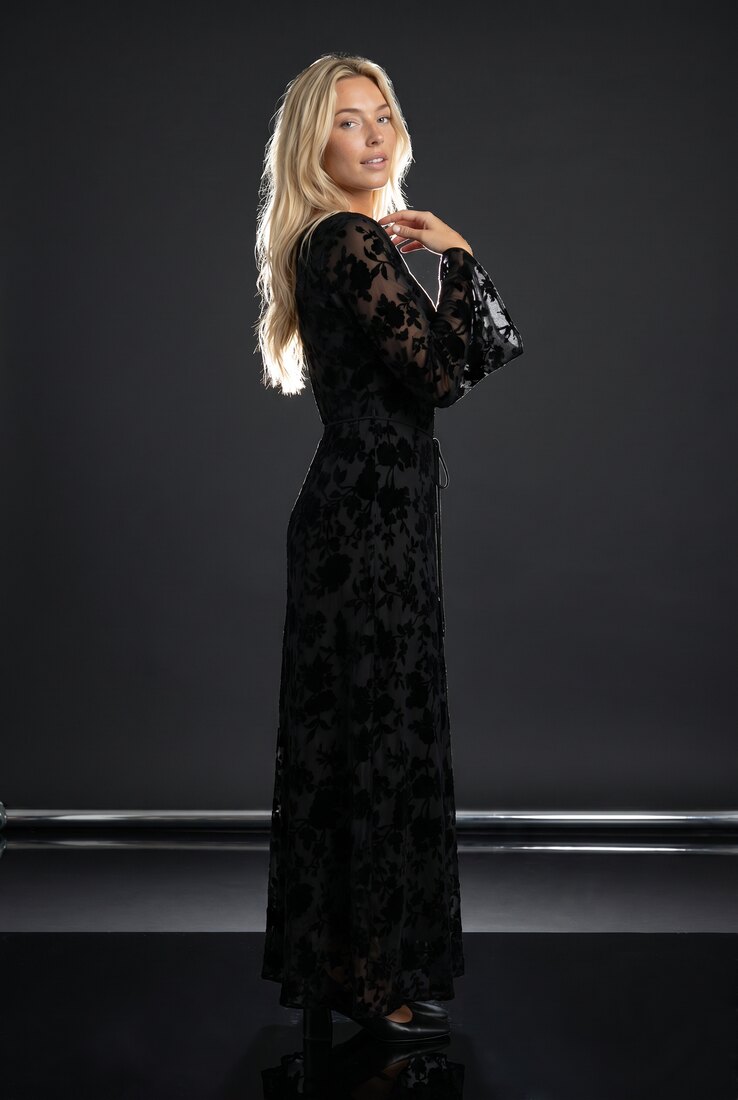
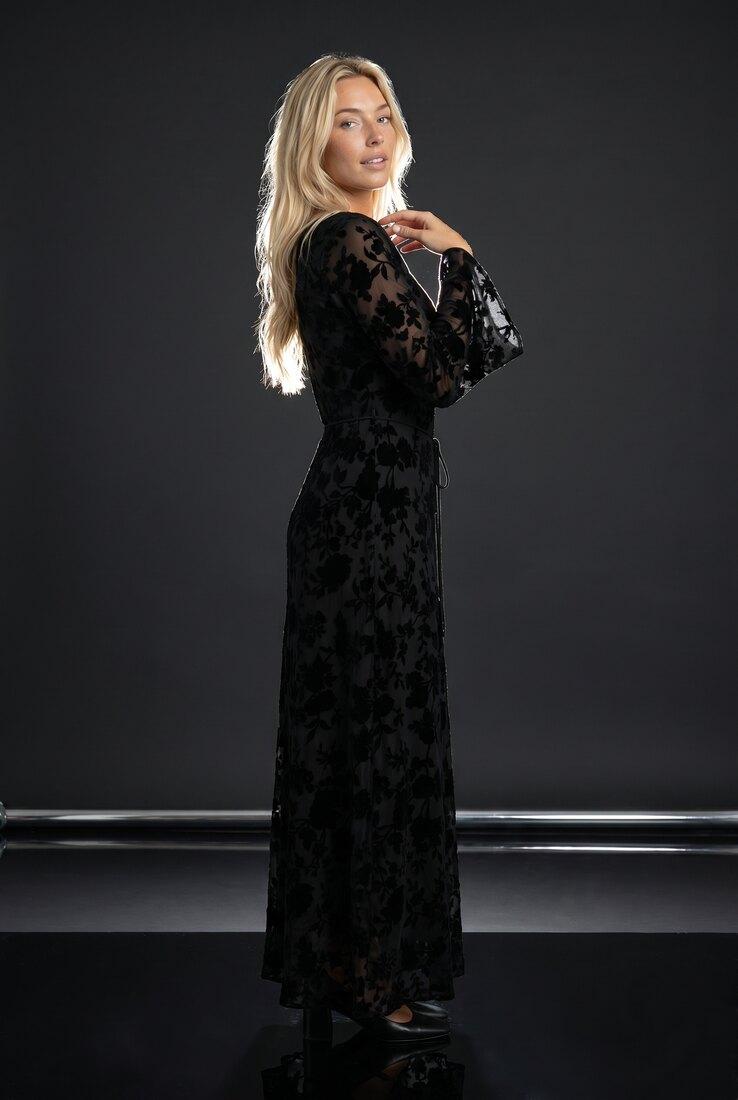
Floral maxi dress in the Noir direction: one dark studio, one hard key light, one saved model. The three looks below share it.
Mechanism
The photography decisions are settings. These three looks share all of them.
 Output
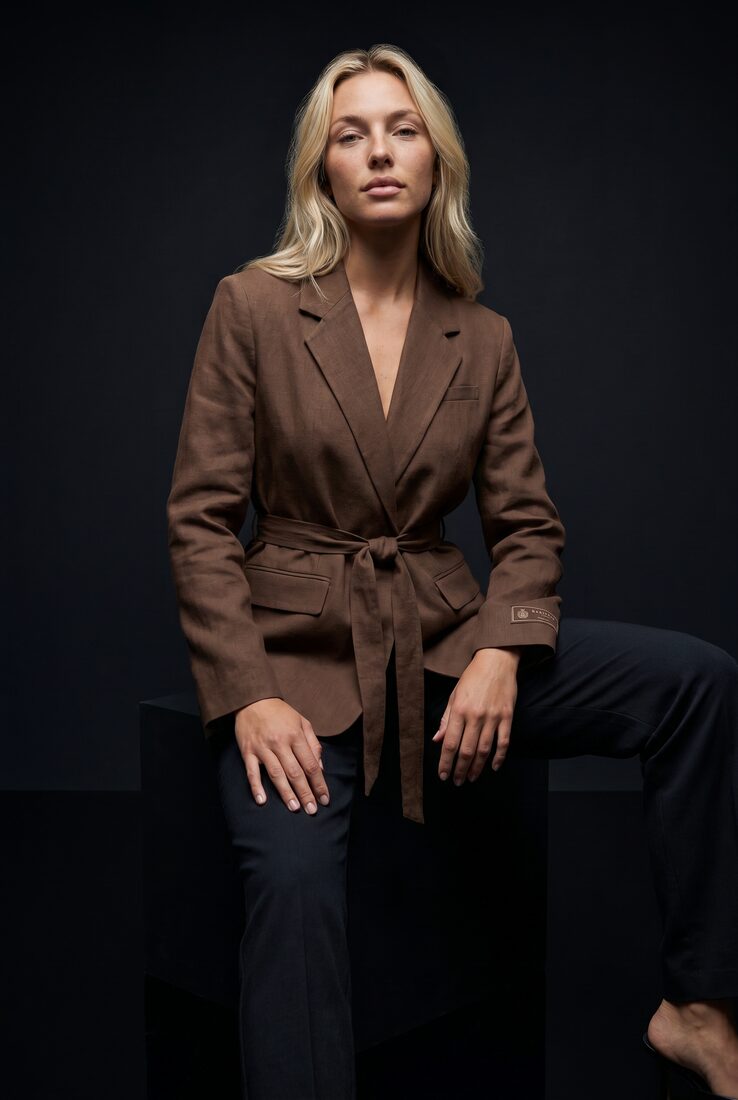 Output
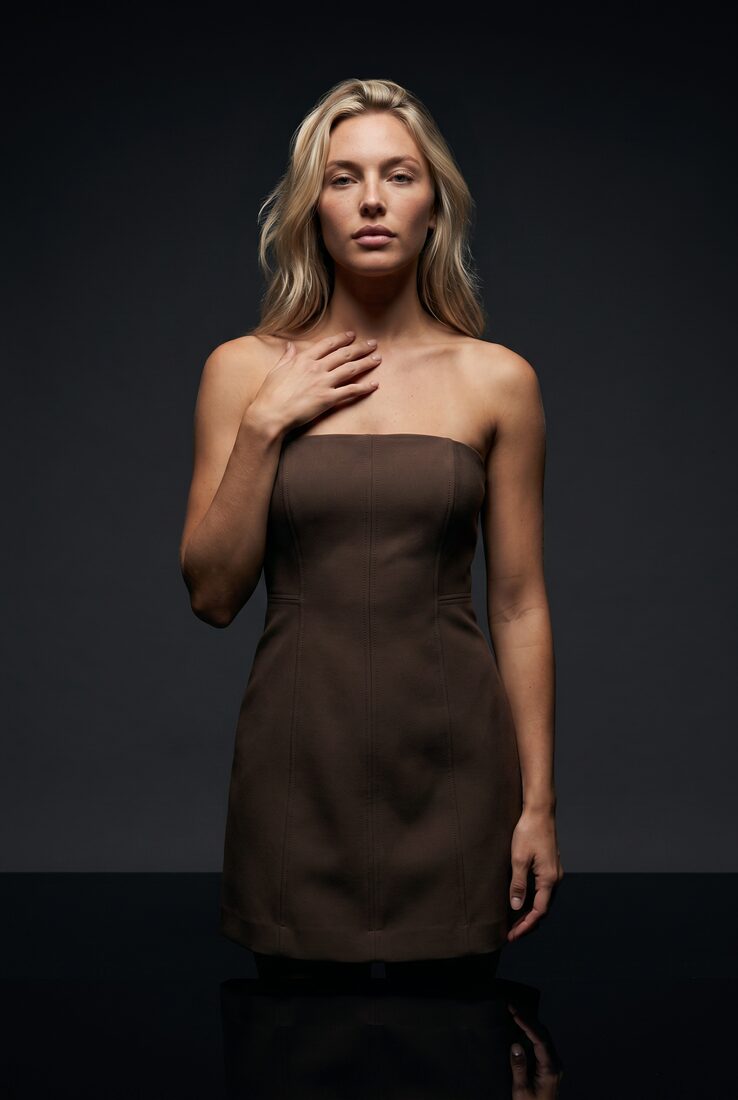 Output
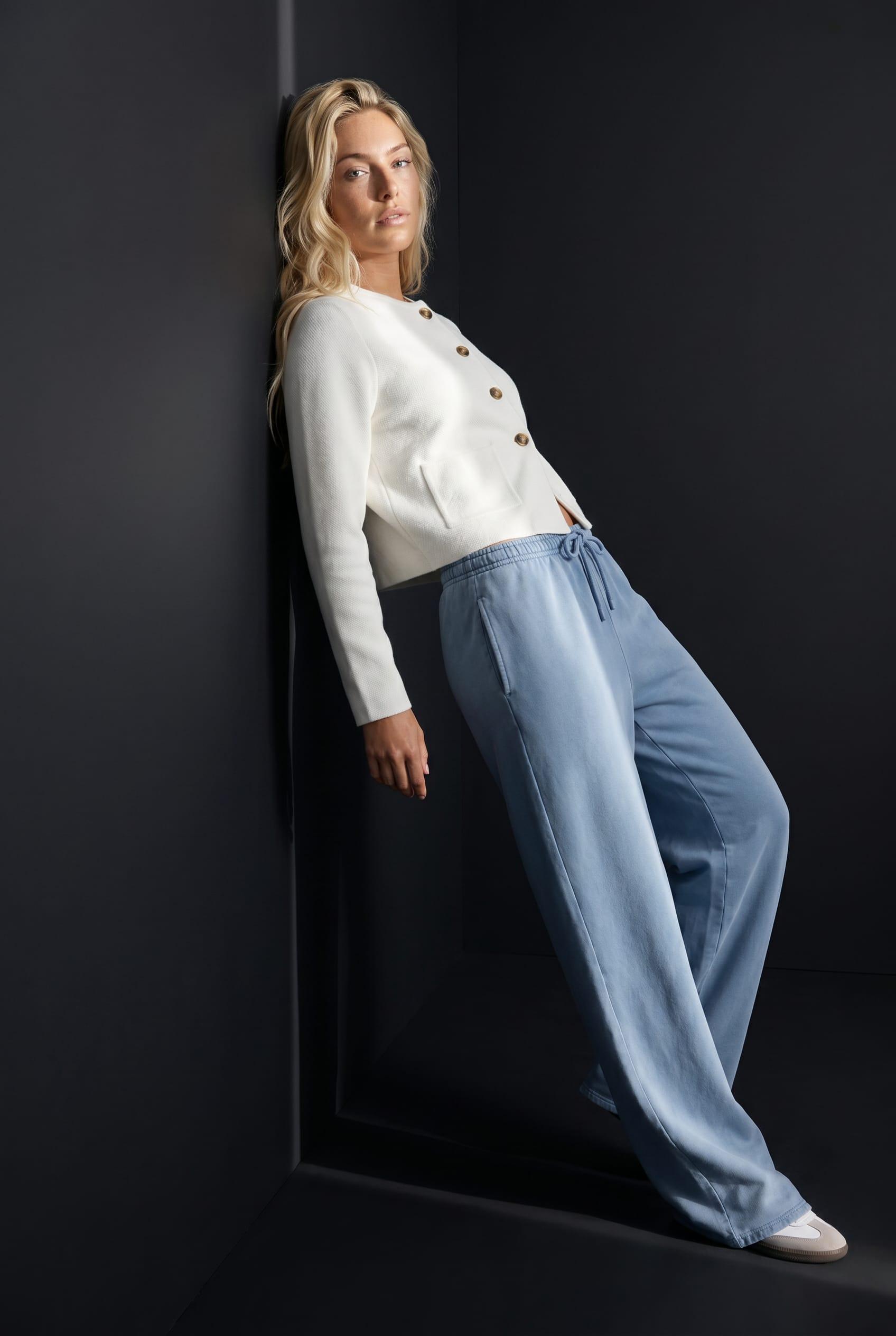
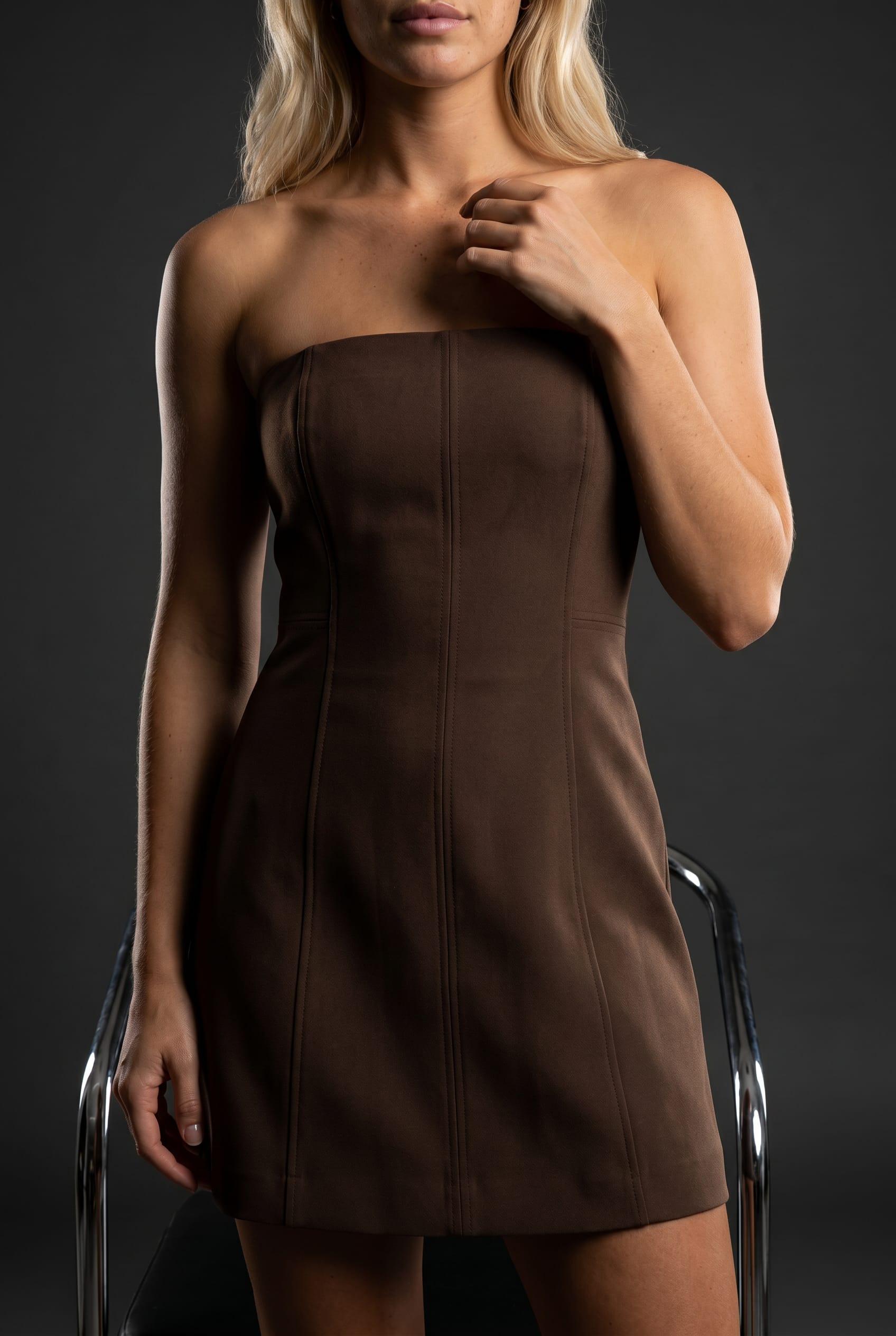
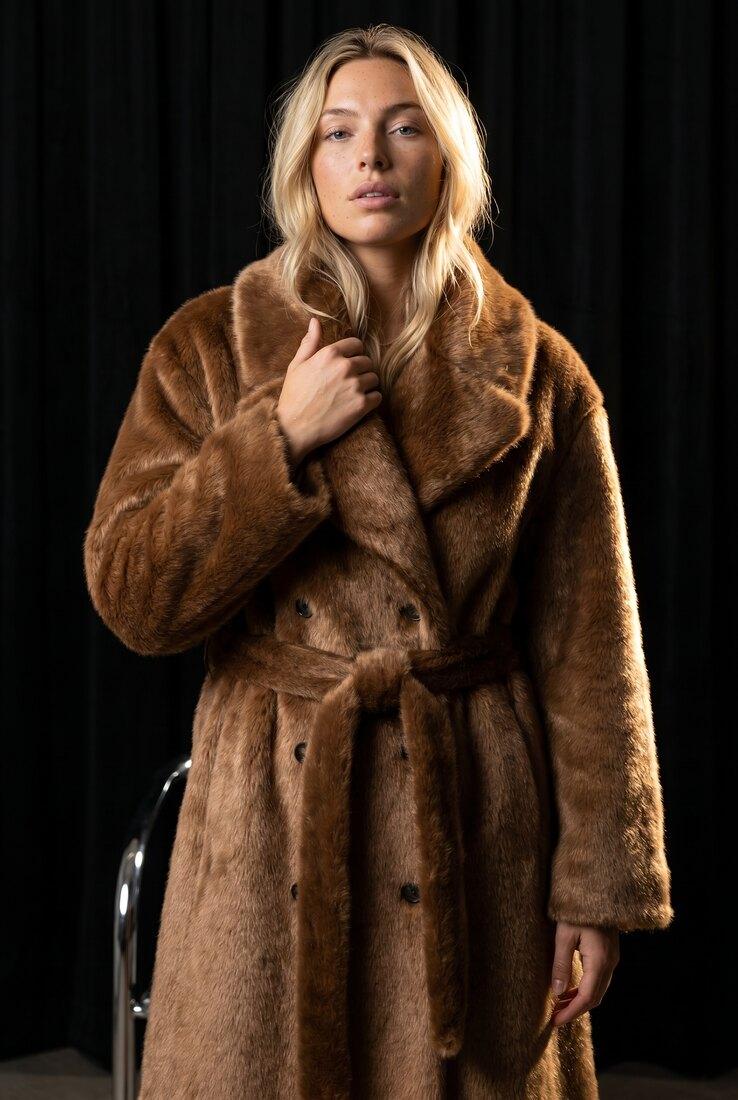
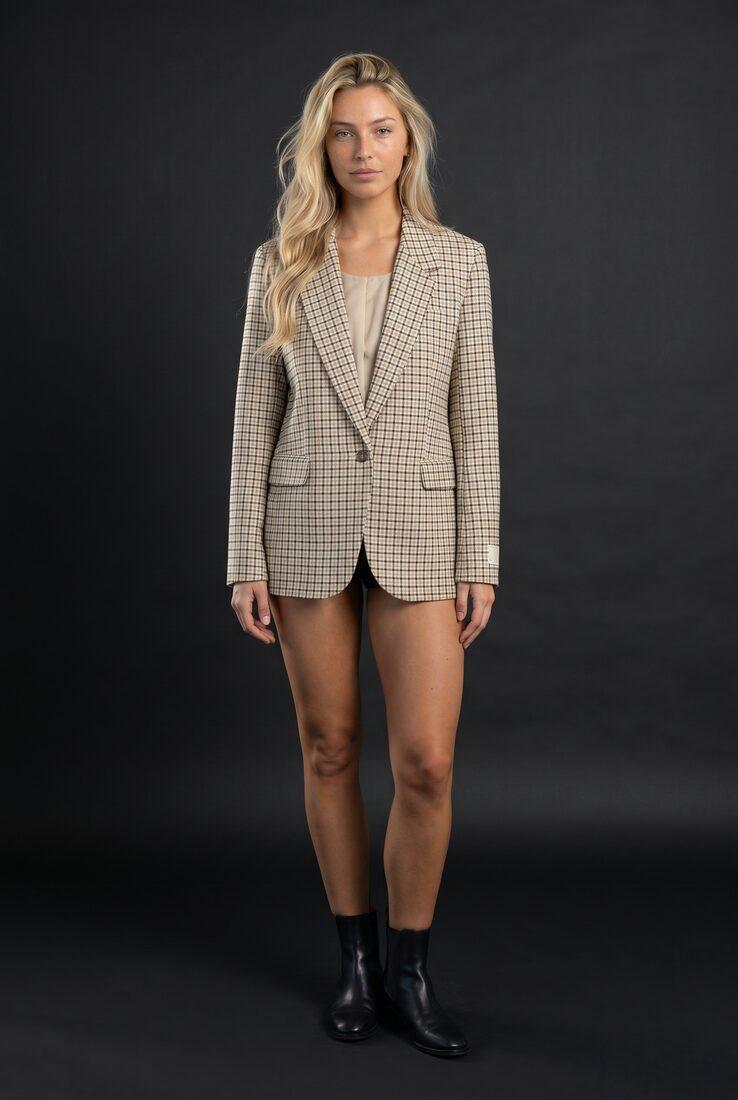
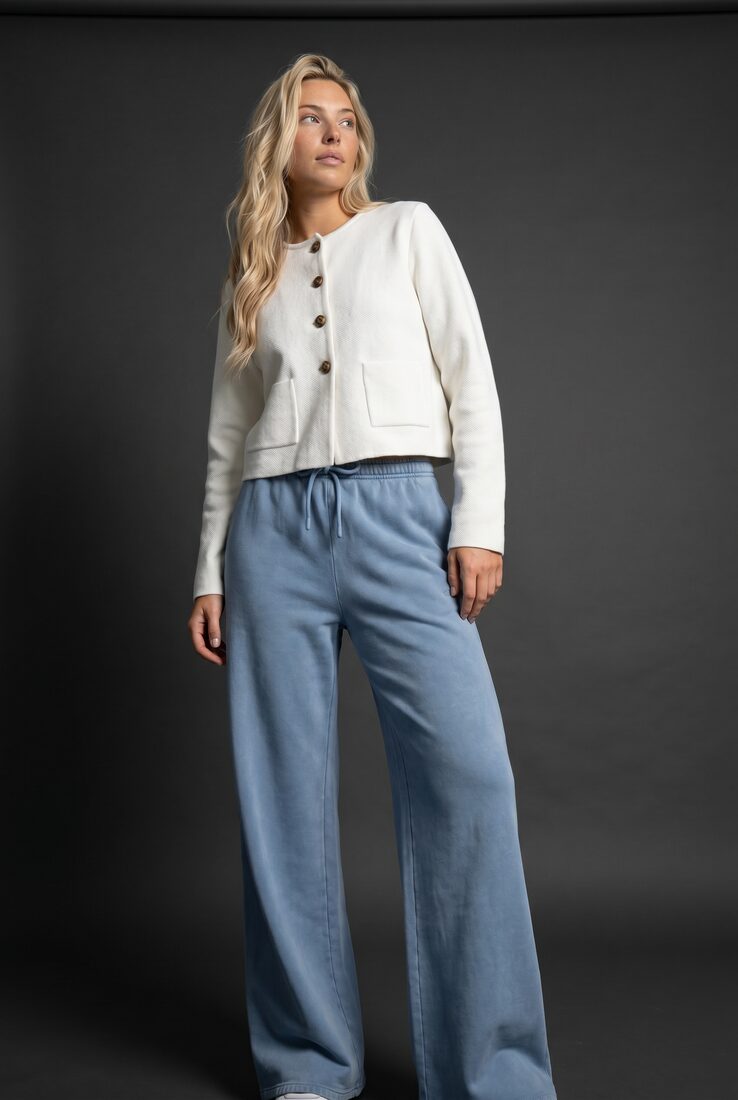
A cropped jacket, a belted linen blazer and a strapless dress, all on the model saved for this brand, in the Noir direction from the library: dark studio, single hard key light, full-body camera at eye height. In a studio those are decisions a photographer makes on the day. Here they are saved once and reused by every garment. Back and detail views are camera edits, the approved front photo re-framed rather than generated again, so the light carries over.
In numbers
Every decision a shoot makes, and what it costs here.
| Light and set | A saved direction | Library directions: white studio, Noir, Concrete, Coastal and Summer. Or describe your own. |
|---|---|---|
| The model | 1 credit to create, once | From a description or reference photos, or free from the library. Several for several markets. |
| A photo | From 3 credits, $0.30 | Nano Banana 2 at 1K. 5 credits at 2K or with Nano Banana Pro. A credit is $0.10. |
| Format | 2:3 or 4:5, up to 4K | 2:3 for product pages, 4:5 for social. Resolution depends on the image model. |
| The other views | Priced as photos | Upper body, back and detail are camera edits of the approved front photo. |
| The AI check | 1 credit a photo, optional | Compares each photo with its product photo and the direction, retries drift, writes the reason. |
| A 5-second clip | 23 credits | Kling 3 Pro from an approved photo. A 360-degree turn is included in the Product page set run. |
| Provenance | Watermark and C2PA | C2PA is the open standard that records where an image came from. Check any delivered file on the verify page. |
Workflow
The production loop
Direct the shoot once
Pick a library direction or describe the light, set, framing and mood you want. Choose the model. Save both.
Send the garments
Upload supplier photos, flat lays or packshots, one per garment.
Run, review, deliver
Approve the estimate. The check retries drift before you see it, and the assets go to your store, your systems or the library.
Run it from your assistant
Run this photoshoot from your AI assistant with a Uwear template.
Connect the Uwear MCP server to ChatGPT, Claude, or Codex and ask for the Instagram drop template. It is a batch workflow that runs once per garment: three lifestyle photos and a short opening clip from one garment, in the Nostalgic Coastal Collage art direction, ready to post as a carousel. Any Uwear account can load it by name, and the assistant shows a costed brief in credits before generation starts.
For listing shots on the white studio with front, detail and back views per garment, ask for the "Product page set" template instead.
Copy this prompt into your assistant
Connect to the Uwear MCP server and load the "Instagram drop" template. Run it on my garment photos with my saved model, swap its art direction for my saved Noir studio direction, turn the AI reviewer on, and show me the costed brief before generating.
Frequently asked questions
Producing the photos a fashion brand needs, on a model, in a chosen light and set, from the product photos it already has, with an image model instead of a camera. On Uwear the photography decisions are saved as an art direction and a saved model, and every garment is generated in them.
Yes. That is what the art direction holds: the set, the light, the camera framing, the pose family and the garment rules. Pick a library direction or describe your own and refine it. Every garment in the run follows it, and the next run can use a different one.
You choose. Uwear runs image and video models from Google, OpenAI, ByteDance, Kuaishou and PixVerse alongside Drape, its own model family. The image model is one setting in the run and the rate per photo depends on it.
For listing photos on a plain set the difference is small and the check catches most of what remains. For fine fabric behaviour and campaign moments a studio can still win. Uwear does not offer a fidelity guarantee. The quality-difference article on the blog shows the same blouse and skirt on four image models next to the product photos, so you can judge on garments like yours.
Related
- Art directionHow a direction is saved, refined and reused across workflows.
- AI photoshoot for clothing brandsThe whole range in one run, four listing assets per garment.
- AI fashion models vs traditional model photographyThe same blouse and skirt on four image models, and where a studio still wins.
- AI fashion product photography guideThe catalog guide: inputs, formats, QA and delivery for brands.
Next step
Map this workflow into your catalog operation.
Start with the use case, then decide whether the right access path is Studio, API, MCP, or a custom enterprise rollout.