The best AI tools for clothing brands in 2026, by job
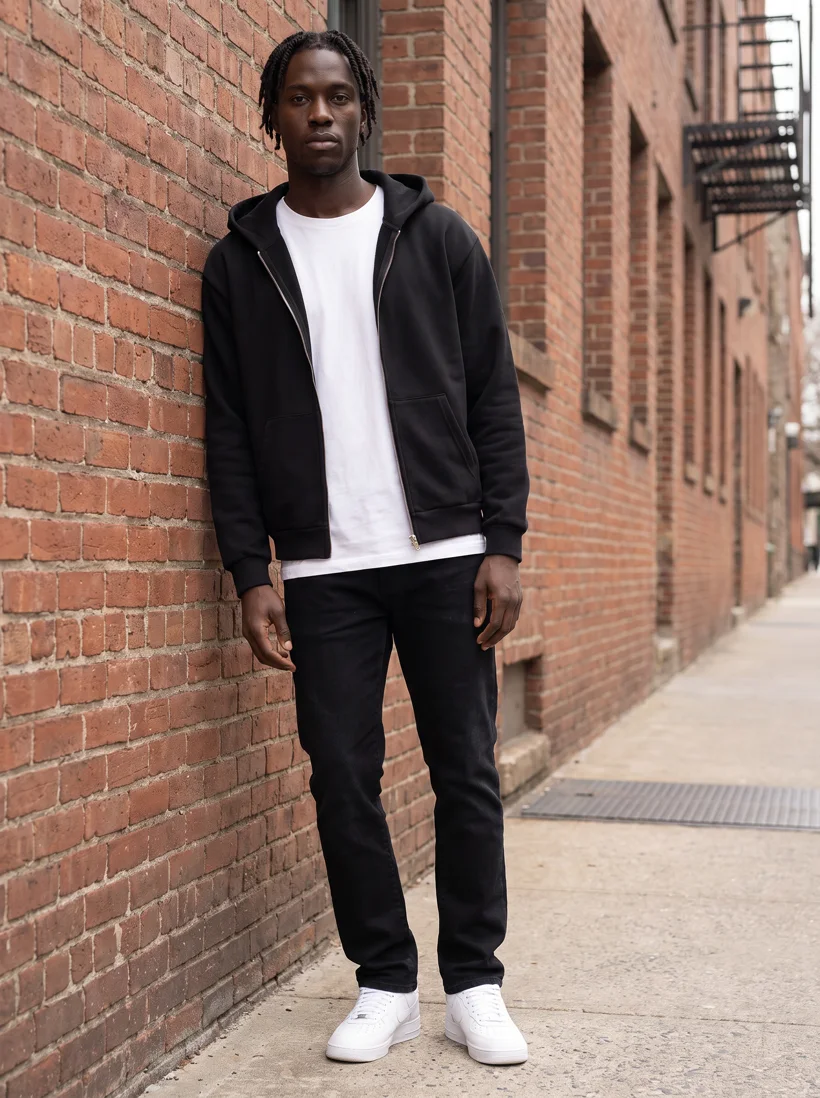
Eleven tools, sorted by the job you have rather than by a score. For a clothing brand with a range to photograph, Uwear is the one to shortlist first, and the next paragraph says why. The other ten are here because each is the right answer to a different question: raw endpoints for a developer team, a catalog that is mostly not clothing, or the rare brand whose output is the same every month. Every claim about another vendor is tied to a page read on the access date, listed at the bottom, and the twenty-garment test at the end is how to check any of this on your own garments.
For a clothing brand with a range to photograph, Uwear is the strongest fit on this list, for four reasons. Scale: one run covers up to 10,000 images, priced before it starts. Consistency: one saved model and one saved art direction, meaning the set, light and framing, are reused by every garment, so the range reads as one shoot. Automation: an AI reviewer checks every photo against its product photo and retries what drifted, and a run can start from your own systems or from ChatGPT, Claude or Codex through the Uwear MCP server, the connector that lets an assistant plan a job, so a drop can be shot without anyone opening the app. Budget: there is no subscription. You buy credits at $0.10, a drop costs what the drop costs, and nothing is sized in advance, and nothing is paid in the months between drops.
| Tool | Best for | Entry price | Video | API |
|---|---|---|---|---|
| Uwear [1][2] | The strongest fit for a clothing brand with a range: scale, consistency, automation, pay per run | $0.10 a credit, from 3 credits a photo, no subscription | 5-second clip from an approved photo, 23 credits | REST API with webhooks; MCP server, the connector that lets ChatGPT, Claude or Codex plan and run a job |
| FASHN [3] | Developer teams that want dedicated fashion endpoints | Basic $19 a month for 200 credits | Up to 720p on Basic, 1080p above | Separate API pricing |
| Claid [4][5][6] | An ecommerce image pipeline where fashion is one product type | Essential $15 a month for 500 web credits; API from $59 for 1,000 | Five-second video, 35 web credits | Batch jobs, asynchronous processing, webhooks |
| Photoroom [7][8][9] | Sellers who also need general product editing; enterprises wanting a guarantee | Max plan: up to 5,000 AI fashion model generations at 1K, 185 at 2K | Template-first generator from Max | Virtual Model API; 200K-image minimum on API Enterprise |
| Pixelcut [10][11] | The cheapest general toolbox with an On Model format | Pro from $8 a month billed yearly, 600 credits | Not published on the Product Studio page | API for stores and apps |
| WearView [12][13] | Small brands that want stills, try-on, ghost mannequin and video in one plan | Lite $24 a month for 50 credits; HD 2 credits, 2K 3, 4K 5 | 720p for 10 credits on Pro, 1080p for 20 on Advanced | Enterprise custom only |
| The New Black [14][15] | Breadth on a small budget: design, models, try-on, video, agents | Starter $15 a month for 200 credits; about 1 credit an image | Try-on video, model walk, fashion ad, about 10 credits | API with per-minute limits by plan |
| Modelia [16] | Testing on-model images and short clips cheaply | Basic $35 a month for 250 credits; about 3 credits an image | 25 credits for 5 seconds, 40 for 10 | From the Basic plan |
| Botika [17][18][19] | A curated model library with a human retouching service | From $25 a month; Shopify app plans from $33 | Short clips from the Pro tier | No public API, SDK or webhook documentation |
| Nightjar [20][21] | One reusable visual system for a mixed product catalog | From $25 a month for 150 credits; 1 credit at 1K or 2K, 2 at 4K | Not published | Included on every paid plan |
| Veeton [22][23] | A merchandising team that wants a studio for the whole collection | Pro $105.99 a month in tiers of 100 to 2,000 credits; 10 credits an on-model image | 2 credits per second on Pro and above | Studio plan only, custom pricing |
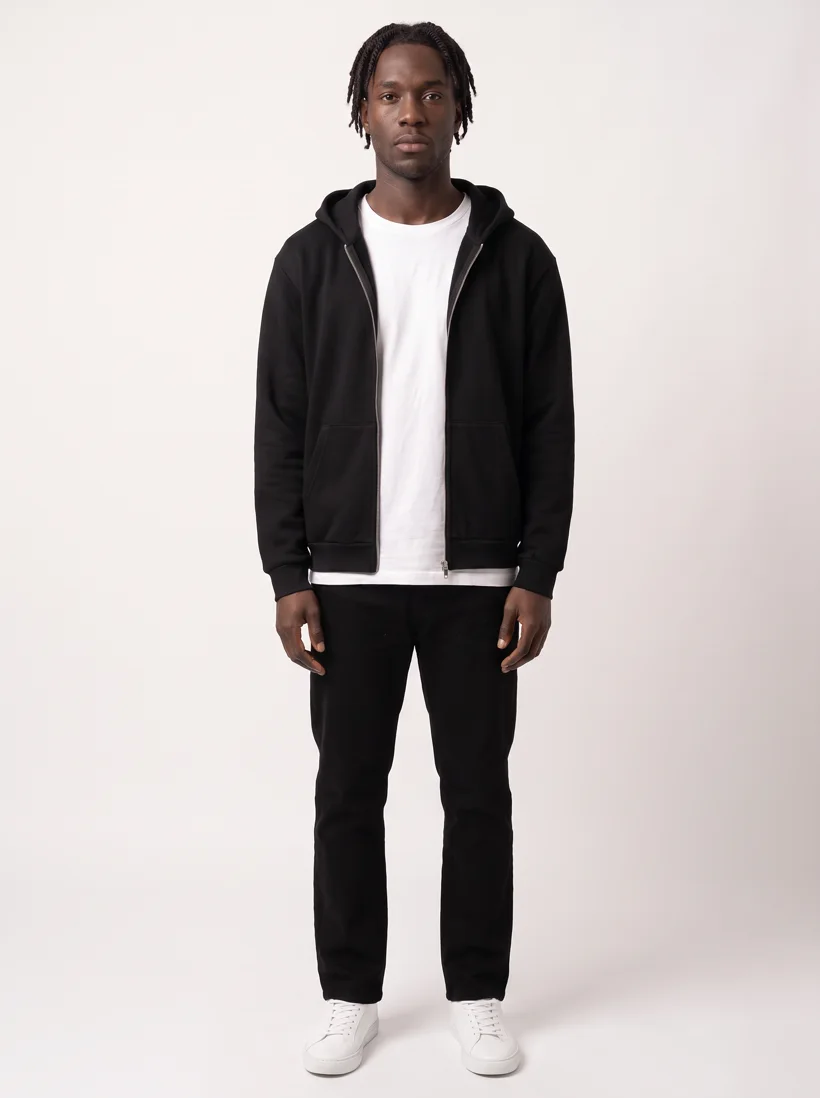
Uwear: the strongest fit for a clothing brand with a range: scale, consistency, automation, pay per run
One saved model and one saved art direction reused by every garment, an AI reviewer that checks every photo against its product photo and retries what drifted, runs of up to 10,000 images priced before they start, started from the app, the API or ChatGPT and Claude, and no subscription: credits at $0.10, a drop costs what the drop costs. Not a design tool, and a higher price per image than a cheap plan, because the credit buys the run rather than the image. [1][2]
FASHN: developer teams that want dedicated fashion endpoints
App plans from $19 to $99, images up to 4K, most tools from 1 credit per output, 10 complimentary credits on signup. The endpoints are the product; the orchestration is yours to build. [3]
Claid: an ecommerce image pipeline where fashion is one product type
Twenty or more image and video operations, a documented 5,000-SKU batch example, PIM and CMS connections, an image-checks stage; a standard AI Fashion image is 4 web credits. Its own guide tells users to check for model-identity changes. [4][5][6]
Photoroom: sellers who also need general product editing; enterprises wanting a guarantee
The biggest general toolbox, with a contractual fidelity guarantee scoped at launch to food and fashion enterprise customers at mid-volume scale. The self-serve caps by resolution are the thing to check before a 2K catalog. [7][8][9]
Pixelcut: the cheapest general toolbox with an on model format
Unlimited background removal and upscale, up to 4K, bulk tools, a persona placed per image. No saved model, saved direction or review step published. [10][11]
WearView: small brands that want stills, try-on, ghost mannequin and video in one plan
Nine tools in one app, model creation from text, consistent models, pose control, a ghost mannequin service from $0.19 an image. No published review or retry step; the user judges the download. [12][13]
The New Black: breadth on a small budget: design, models, try-on, video, agents
Clothing, shoes, bags, jewelry, beauty and kidswear; a model defined by gender, age, origin and body shape and reused across a range; bulk product-to-model; in-platform AI agents. No published review step. [14][15]
Modelia: testing on-model images and short clips cheaply
Flat lay, mannequin or on-model inputs, poses from a single image, consistent characters capped per plan (3 on Basic, 6 on Pro), a free Starter for non-commercial tests. No published review step. [16]
Botika: a curated model library with a human retouching service
More than 50 models and preset backgrounds, no text prompts or custom models on self-serve plans, flat-lay and mannequin looks created one by one, corrections through a manual Photo Issue path. Named customers including Forever 21 and La Redoute. [17][18][19]
Nightjar: one reusable visual system for a mixed product catalog
Clothing, footwear, jewelry, bags, beauty, homeware and food; a saved Recipe applied to each product; 80 or more faces or custom models; a built-in visual review that retries obvious failures at no extra credit cost; unlimited seats. The closest thing on this list to saved direction, for a catalog that is not only clothing. [20][21]
Veeton: a merchandising team that wants a studio for the whole collection
Two to 100 or more SKUs at once from flat lay or ghost mannequin, custom models and a portfolio down to babies, product beautification, outfit combinations, a 7-day trial with 100 credits. No published review step. [22][23]
How to choose between them
Three questions settle most of it. Is clothing the catalog or a part of it? A fashion-only system saves the model and the direction as objects the whole run reuses; a general toolbox places a persona per image. Who fixes a bad photo: a human retouch round, your own eyes, a QA stage in a pipeline you build, or an in-loop reviewer with retries priced into the run? And does the work arrive in drops, four or so a year, or is it the same every month? Per-credit pricing with an estimate before each run suits the first, which is most brands; a monthly plan only pays off for the second. If the answers are clothing, a reviewer inside the run and drops, that is Uwear, and it is why it sits first on this list.
Questions brands ask when they shortlist
What is the best AI tool for a clothing brand?
For a clothing brand with a range, Uwear. It is the only tool on this list built around the whole run rather than the single image: one saved model and one saved art direction across every garment, an AI reviewer on every photo, runs of up to 10,000 images that can start from your own systems or from ChatGPT and Claude, and no subscription to size. The exceptions are real: a developer team that wants raw endpoints (FASHN), a catalog that is mostly not clothing (Claid, Nightjar), the rare brand whose output is the same every month, which a cheap plan absorbs (WearView, The New Black), or a curated library with human retouching (Botika).
Which AI fashion tool is cheapest per image?
From the published rates: Pixelcut Pro at $8 a month for 600 credits, The New Black at about 1 credit an image from $15 a month, and Nightjar at 1 credit per 1K or 2K image from $25 a month for 150 credits are the cheapest per image on this list. Uwear is from 3 credits, $0.30, a photo. What the more expensive credit buys is the saved model and direction, the reviewer and the priced run, and the absence of a plan: most brands shoot in drops, four or so a year, so a subscription is paid in the eight months in between as well, while a credit is spent only on a photo you asked for.
Which tools check the generated photo against the product?
Uwear runs an automatic reviewer that compares each photo with the product photo and the saved model and retries what drifted, with the reason on every rejection. Nightjar runs a built-in visual review that retries obvious failures such as a missing product at no extra credit cost. Photoroom offers Visual QA and a contractual guarantee on its Enterprise tier. Claid documents an image-checks stage in API workflows. Botika offers a human correction service. The rest publish no review step.
Which tools have an API?
Uwear (REST with webhooks, plus MCP), FASHN (separate API pricing), Claid (batch jobs, asynchronous processing, webhooks), Photoroom (Virtual Model API with a 200K-image minimum on API Enterprise), Pixelcut, The New Black (per-minute limits by plan), Modelia (from Basic), Nightjar (every paid plan). WearView and Veeton list API access under custom Enterprise or Studio plans. Botika publishes no API documentation.
How should a brand test these tools?
Run the same twenty garments through the two or three you shortlist: prints, knits, structured pieces and basics. Judge fidelity to the product photo, model consistency across the twenty, and the number of takes each accepted image cost you. Then price the year, not the image: most brands shoot in drops, four or so a year, so a subscription is paid in the quiet months too, while a per-credit rate with an estimate before each run is paid only when there is a drop.
Sources
Vendor facts change; each was read on the access date. The comparison and alternatives pages linked above carry the same sources with the claim each one supports.
- [1] Uwear pricing. Accessed September 20, 2026.
- [2] Uwear models page. Accessed September 20, 2026.
- [3] FASHN pricing. Accessed September 20, 2026.
- [4] Claid for Business. Accessed September 20, 2026.
- [5] Claid API workflows. Accessed September 20, 2026.
- [6] Claid credits and web pricing. Accessed September 20, 2026.
- [7] Photoroom pricing. Accessed September 20, 2026.
- [8] Photoroom API pricing. Accessed September 20, 2026.
- [9] Photoroom Enterprise Guarantee launch (19 June 2026). Accessed September 20, 2026.
- [10] Pixelcut pricing. Accessed September 20, 2026.
- [11] Pixelcut Product Studio. Accessed September 20, 2026.
- [12] WearView pricing. Accessed September 20, 2026.
- [13] WearView homepage. Accessed September 20, 2026.
- [14] The New Black pricing. Accessed September 20, 2026.
- [15] The New Black AI fashion model generator. Accessed September 20, 2026.
- [16] Modelia pricing. Accessed September 20, 2026.
- [17] Botika products. Accessed September 20, 2026.
- [18] Botika models. Accessed September 20, 2026.
- [19] Botika help center. Accessed September 20, 2026.
- [20] Nightjar pricing. Accessed September 20, 2026.
- [21] Nightjar homepage. Accessed September 20, 2026.
- [22] Veeton pricing. Accessed September 20, 2026.
- [23] Veeton homepage. Accessed September 20, 2026.