Claid alternative for fashion brands

Compare Claid and Uwear for fashion production.

Claid is a broad AI image stack for ecommerce catalogs. Uwear is an art-directed production line for on-model fashion images and video.

Respect the strength

Start with the job you need to run.

Choose Claid

Claid is excellent at broad ecommerce image processing: cleanup, enhancement, upscaling, scene generation, and API automation across many product categories. It reports 10k+ customers and 200M+ images edited.[1][2]

Choose Uwear

Use Uwear when fashion visual work needs to behave like managed production: one direction, one catalog run, automatic QA, on-model motion, and delivery controls.

Five production axes

Compare the production differences.

Evaluate the operating model, not a checklist of loosely similar features. Published Claid details are cited in every row.

Production axisUwearClaid
Art-directed productionLocks casting, lighting, framing, variation controls, and automatic QA criteria into one reusable direction across runs.Publishes reusable scene modes, reference-led direction, and brand kits; public pages do not document a governed, versioned direction system for teams.[4][10]
Full-catalog volumeCoordinates catalog work as one run with direction, status, QA, retries, approvals, and delivery attached.Documents catalog-scale batch jobs through the API, with asynchronous processing, webhooks, and a 5,000-SKU example; limits above the defaults are sales-gated.[3][9]
On-model fashion videoGenerates moving on-model fashion clips from approved catalog stills for product pages and campaigns.Creates short fashion videos as a second step after image generation, at 35 credits for five seconds; a single flat-lay-to-video call is not documented.[5][8]
In-loop automatic QARuns automatic, agent-driven QA inside each job, toggleable by the team, with failures held for retry or review instead of approved delivery.Claims QA inside custom and managed workflows; its own lookbook guide directs self-serve users to curate results manually.[6][7]
Computable pricing + agent accessPublishes a $0.10 credit price and model rate table across Studio, API, and a remote MCP server for agent-operated production. Enterprise scope stays sales-led.Publishes web and API credit tables in separate pools; enterprise terms are sales-gated, and no MCP server or agent surface is documented.[8][9][2]

01

Lock direction across every run.

Uwear treats art direction as a reusable production brief. Casting, lighting, framing, variation controls, product requirements, and automatic QA criteria travel together from one run to the next.

Claid publishes strong scene reuse: Photoshoot modes lock a product, follow a reference image, or repeat an exact setup across SKUs, multi-input AI Edit carries references across a catalog, and paid plans add brand kits. Choose Uwear when the requirement is one governed brief a team publishes and reuses, not a collection of per-image controls.[4][11][10]
02

Coordinate the full catalog, not just a batch.

Uwear keeps catalog intake, direction, job status, automatic QA, retries, approvals, and delivery connected. The operating unit is the production run, even when the catalog spans many products and output types.

Claid documents genuine catalog scale: batch jobs, asynchronous processing, webhook delivery, PIM and CMS connections, and a 5,000-SKU example. The useful comparison is what travels with the job: Uwear keeps direction, QA, retries, and approvals attached to the same run instead of chaining separate image operations.[3]

03

Turn approved stills into on-model motion.

Uwear sends an approved on-model still into the video step, then produces motion for product pages and campaigns without starting a separate asset chain.

Claid also markets short fashion videos from existing product images, listed at 35 credits for five seconds. Choose Uwear when video should start from a still your team already approved inside the same production job.[5][8]

04

Keep automatic QA inside the production loop.

Uwear makes automatic QA an agent-driven, toggleable part of the job. Outputs that fail the selected checks remain in retry or review, so approved delivery stays separate from failed work. This is workflow control, not a blanket pass-rate or fidelity guarantee.

Claid claims QA within custom and managed pipelines, and its standard batch flow lists an image-checks stage. Its own lookbook guide tells self-serve users to curate manually for identity drift and garment mismatches. Compare where the checking runs: inside every self-serve job, or inside a custom contract.[6][3][7]

05

Model cost before the run starts.

Uwear publishes the self-serve credit price and the credit rate for each image and video model. Teams can estimate a run before buying credits, and agents can plan one over MCP with a costed brief approved before generation. Enterprise pricing remains sales-led because volume, invoicing, shared workspaces, implementation, and support extend beyond credit consumption.

Claid publishes real numbers: $15 and $49 web plans, per-operation credit costs, and a $59 API starting pack. But web and API credits sit in separate pools, and volume terms, custom workflows, higher limits, and SLAs are sales-gated. The contrast is how much of the full production cost can be computed before a sales process.[8][9][2]

Decision guide

Choose the workflow that matches your team.

Choose Claid for broad image operations.

  • More than 20 image and video operations in one stack, from background removal to upscaling.
  • Marketplace and mixed-catalog standardization through API chaining, webhooks, and PIM connections.
  • A low-friction ladder from $15 self-serve plans to fully managed custom workflows.
  • Reference-led scene reuse and brand kits for repeatable product imagery.

Choose Uwear for managed fashion production.

  • Reusable art direction that holds across a catalog run.
  • On-model fashion video generated from approved stills.
  • Automatic, agent-driven, toggleable QA inside the job.
  • One public credit price, and a remote MCP server so agents can run production.

One direction, four garments

This is what reusable art direction produces.

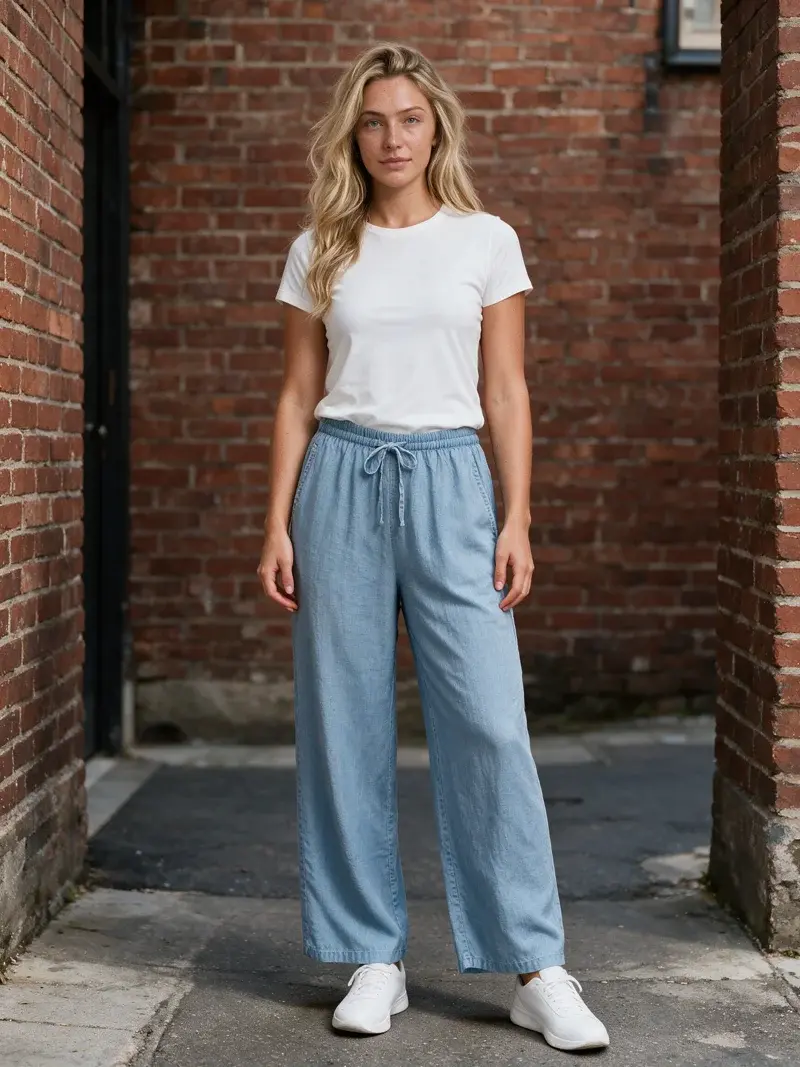
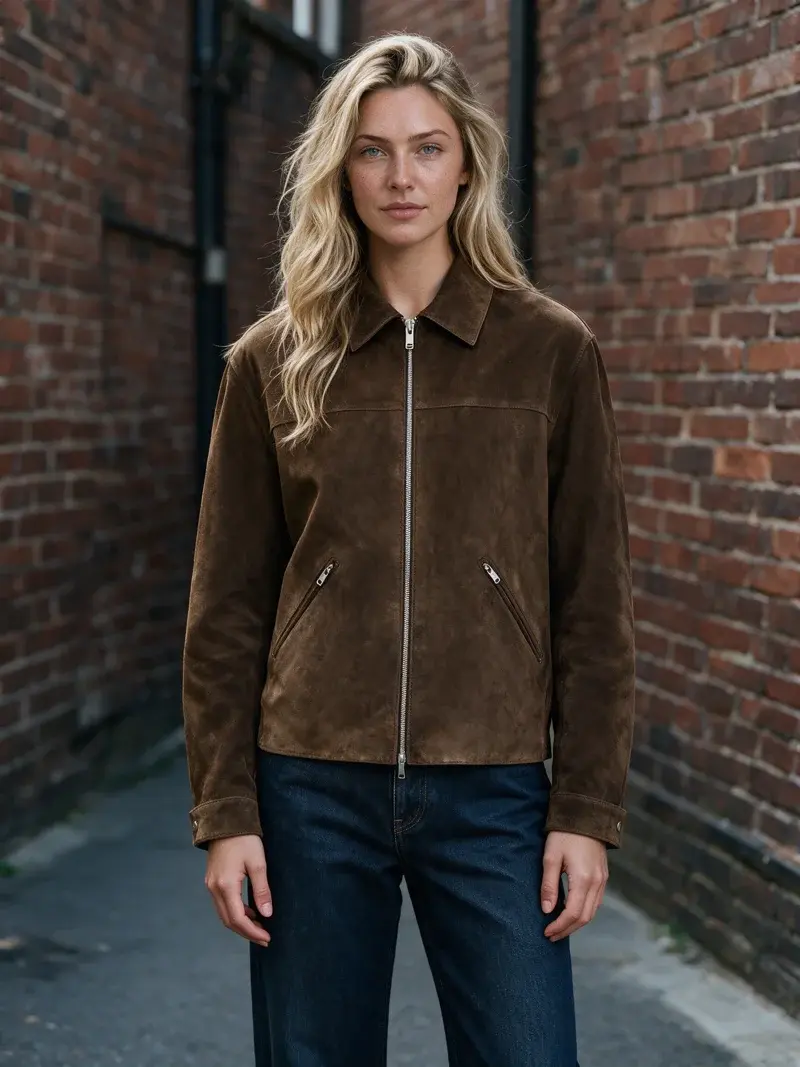
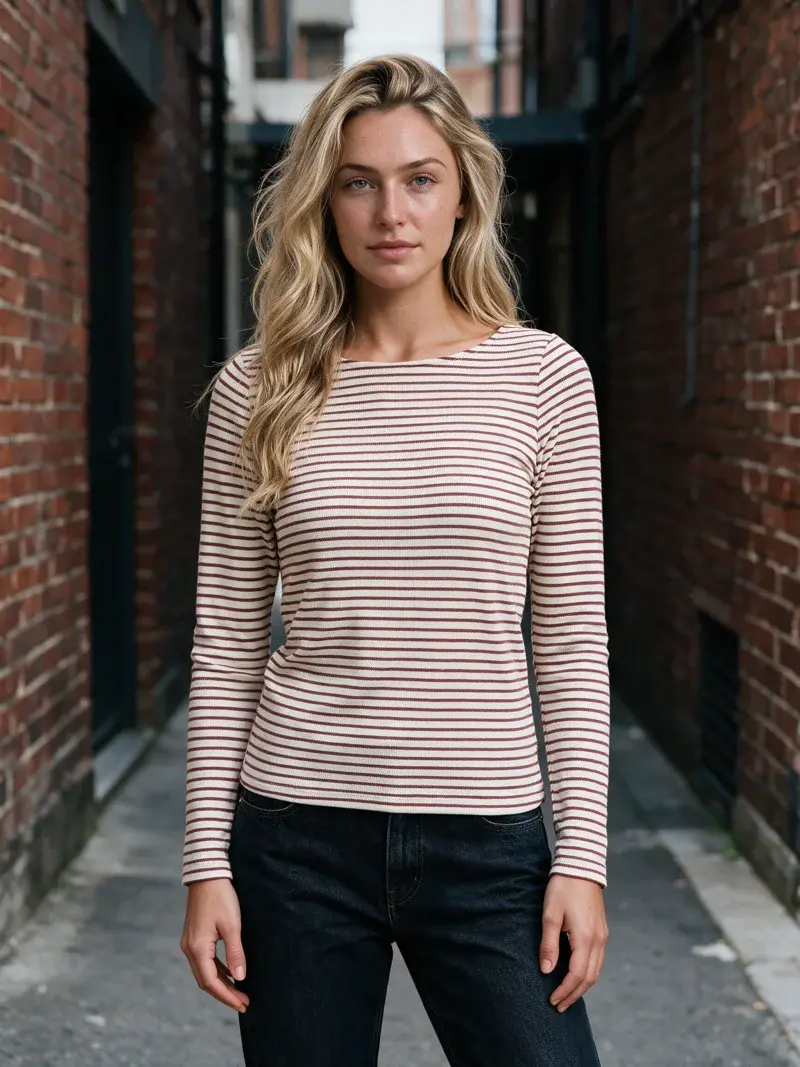
Four different garments, one saved art direction, the same model and camera. Uwear generated all four; nothing else changed between shots. That consistency, held across a full catalog, is the production difference these pages compare.

  • AI-generated on-model photo of a suede zip jacket, Urban Brick Editorial art direction, generated with Seedream 5.0 Pro on Uwear

    Suede jacket

  • AI-generated on-model photo of a red striped knit top, Urban Brick Editorial art direction, generated with Seedream 5.0 Pro on Uwear

    Striped knit top

  • AI-generated on-model photo of a denim midi skirt, Urban Brick Editorial art direction, generated with Seedream 5.0 Pro on Uwear

    Denim midi skirt

  • AI-generated on-model photo of light wide-leg pants, Urban Brick Editorial art direction, generated with Seedream 5.0 Pro on Uwear

    Wide-leg pants

Ask the practical questions.

Use the published scope, commercial terms, and production mechanism to decide which workflow fits.

Yes, when the job is art-directed on-model fashion production. Claid is a broad ecommerce image stack: cleanup, enhancement, generation, and API automation across many product categories. Uwear focuses the whole workflow on fashion: reusable art direction, coordinated catalog runs, automatic QA, and on-model video. See sources 1 and 2.

Breadth versus production depth. Claid sells more than 20 image and video operations for ecommerce imagery in general. Uwear runs fashion production as one connected job: direction, catalog run, automatic QA with retries, approvals, and delivery, operable by teams or by agents over MCP. See source 2.

Yes. Claid markets flatlay-to-model generation and fashion automation, with five photoshoot modes and multi-input references. The Uwear comparison is about how that generation is governed: one reusable direction, automatic QA, and approvals attached to the run. See sources 4, 5, and 11.

Uwear automatic QA is agent-driven and toggleable inside every job, with failed work held for retry or review. Claid claims QA inside custom and managed workflows, and its lookbook guide directs self-serve users to curate results manually. See sources 6 and 7.

Claid publishes web plans at $15 and $49 with per-operation credit costs, and a self-serve API pack at $59 for 1,000 credits, in separate web and API credit pools; enterprise terms are sales-led. Uwear publishes one $0.10 credit price and a model rate table that covers Studio, API, and MCP usage. Enterprise volume stays sales-led at both companies. See sources 2, 8, and 9.

Claid offers a REST API a developer can build against; its public pages document no MCP server or agent surface. Uwear ships a remote MCP server that lets ChatGPT, Claude, and Codex plan and run fashion photoshoots, with a costed brief approved before generation starts. See sources 2 and 9.

Source notes

Review the published source material.

  1. [1]
    Claid homepage

    Accessed August 25, 2026

    Claid positions an all-in-one AI photo studio for ecommerce product and fashion imagery, and reports 10k+ customers and 200M+ images edited.

  2. [2]
    Claid for Business

    Accessed August 25, 2026

    Claid sells web, API, and custom or fully managed delivery paths with 20+ image and video operations; self-serve API plans start at $59 for 1,000 credits.

  3. [3]
    Claid API workflows

    Accessed August 25, 2026

    Documents batch jobs, asynchronous processing, webhook callbacks, PIM and CMS connections, an image-checks stage, and a 5,000-SKU example job.

  4. [4]
    Claid AI Photoshoot modes

    Accessed August 25, 2026

    Five generation modes cover product locking, reference-led direction, custom backgrounds, and exact scene reuse across SKUs.

  5. [5]
    Claid fashion automation

    Accessed August 25, 2026

    Markets flatlay-to-model generation and short fashion videos created from existing product images through API or custom workflows.

  6. [6]
    Claid custom workflows

    Accessed August 25, 2026

    Says Claid can connect image intelligence, prompt logic, editing, generation, QA, and workflow orchestration for a particular use case.

  7. [7]
    Claid fashion lookbook guide

    Accessed August 25, 2026

    Tells users to curate results manually and to check for model-identity changes and garments that no longer match the source product.

  8. [8]
    Claid credits and web pricing

    Accessed August 25, 2026

    Lists Essential at $15 for 500 monthly credits and Pro at $49 for 2,000; a standard AI Photoshoot or AI Fashion image costs 4 web credits and a five-second video costs 35.

  9. [9]
    Claid API pricing

    Accessed August 25, 2026

    Web and API credits are separate pools; standard API operation costs are published, while volume pricing, custom workflows, higher rate limits, dedicated infrastructure, and SLAs require sales contact.

  10. [10]
    Claid pricing

    Accessed August 25, 2026

    The Pro and Business plans add batch processing, priority queue access, and brand kits.

  11. [11]
    Claid multi-input AI Edit

    Accessed August 25, 2026

    AI Edit accepts multiple visual inputs, including products, garments, models, logos, patterns, poses, locations, and style references, to repeat a look across a catalog.

Bring one real catalog

Plan your first catalog run.

Bring the products, output mix, art direction, QA requirements, and delivery path. We will map the production workflow and enterprise scope with you.