Botika alternative for fashion brands

Compare Botika and Uwear for fashion production.

Botika gives retailers a focused self-serve on-model workflow with human retouching. Uwear gives fashion teams an art-directed production line with automatic QA and agent access.

Respect the strength

Start with the job you need to run.

Choose Botika

Botika is excellent at focused self-serve on-model photography for retailers: Shopify and mobile access, a human retouching service with defined targets, and named brand proof from Forever 21 to HELIOT EMIL.[1][8][3][11]

Choose Uwear

Use Uwear when fashion visual work needs to behave like managed production: one direction, one catalog run, automatic QA, on-model motion, and delivery controls.

Five production axes

Compare the production differences.

Evaluate the operating model, not a checklist of loosely similar features. Published Botika details are cited in every row.

Production axisUwearBotika
Art-directed productionLocks casting, lighting, framing, variation controls, and automatic QA criteria into one reusable direction across runs.Offers curated models, poses, and backgrounds in self-serve without text prompts; exclusive models and brand scenes are enterprise offerings, and a brand-spec agent is in early access.[4][3][7]
Full-catalog volumeCoordinates catalog work as one run with direction, status, QA, retries, approvals, and delivery attached.Accepts bulk uploads for the on-model workflow with no daily cap; help pages describe flat-lay and mannequin looks as created one by one.[5]
On-model fashion videoGenerates moving on-model fashion clips from approved catalog stills for product pages and campaigns.Generates short motion clips from a single image in several styles, included from the Pro tier at 5 credits per video.[3][2]
In-loop automatic QARuns automatic, agent-driven QA inside each job, toggleable by the team, with failures held for retry or review instead of approved delivery.Relies on a human fix service: users flag a Photo Issue and the Botika team retouches it, with one-to-two-business-day targets on annual plans; Enterprise adds expert review.[6][3]
Computable pricing + agent accessPublishes a $0.10 credit price and model rate table across Studio, API, and a remote MCP server for agent-operated production. Enterprise scope stays sales-led.Publishes per-photo subscription plans, with starting prices of $25 and $33 across its own surfaces, and a Custom, call-gated Enterprise tier; no public API, webhook, or MCP documentation.[2][3][8][9]

01

Lock direction across every run.

Uwear treats art direction as a reusable production brief. Casting, lighting, framing, variation controls, product requirements, and automatic QA criteria travel together from one run to the next.

Botika ships a curated self-serve workflow: more than 50 models, preset poses, and backgrounds, without text prompts or custom model creation. Its deepest direction (exclusive models, brand scenes, custom retouching briefs) sits in the enterprise tier, and its brand-spec agent is early access. Choose Uwear when reusable direction must be a self-serve capability, not a managed service.[4][3][7]
02

Coordinate the full catalog, not just a batch.

Uwear keeps catalog intake, direction, job status, automatic QA, retries, approvals, and delivery connected. The operating unit is the production run, even when the catalog spans many products and output types.

Botika removes daily caps and takes bulk uploads for on-model input, and its Shopify app imports products and publishes results back to the store. Its help pages still describe flat-lay and mannequin looks as created one by one. Compare how the catalog moves: one coordinated run with QA attached, or per-workflow batches with different rules per input type.[5][8]

03

Turn approved stills into on-model motion.

Uwear sends an approved on-model still into the video step, then produces motion for product pages and campaigns without starting a separate asset chain.

Botika also sells fashion video: short clips from a single image in styles from cinematic to runway, included from the Pro tier at 5 credits per video. Its published correction service covers photos; video fix terms are not documented. Choose Uwear when motion must inherit an approved still and the same QA path.[3][2][6]

04

Keep automatic QA inside the production loop.

Uwear makes automatic QA an agent-driven, toggleable part of the job. Outputs that fail the selected checks remain in retry or review, so approved delivery stays separate from failed work. This is workflow control, not a blanket pass-rate or fidelity guarantee.

Botika answers quality with people. A user flags a Photo Issue and the Botika team fixes it, with published targets of one to two business days on annual plans, and Enterprise adds white-glove expert review. That service is real and has defined limits, but the checking happens after generation, by humans, on request. Compare where quality control runs: inside every job automatically, or as a correction service.[6][3]

05

Model cost before the run starts.

Uwear publishes the self-serve credit price and the credit rate for each image and video model. Teams can estimate a run before buying credits, and agents can plan one over MCP with a costed brief approved before generation. Enterprise pricing remains sales-led because volume, invoicing, shared workspaces, implementation, and support extend beyond credit consumption.

Botika prices standard plans in per-photo credits a buyer can compute, though its own surfaces list different entry prices: $25 on the product page and $33 on the Shopify listing. Enterprise is a Custom tier behind a call, with no published minimum or unit cost. Botika publishes no API, webhook, or MCP documentation, so there is no documented surface for buyer-built production automation; its Botika Agents workflow is in early access.[2][3][8][9]

Decision guide

Choose the workflow that matches your team.

Choose Botika for curated self-serve retail.

  • A Shopify app that imports products and publishes generated images back to the store, plus an iPhone app.
  • A human retouching service with published rounds and one-to-two-business-day targets on annual plans.
  • Named brand proof, including Forever 21, Perry Ellis, La Redoute, Jordache, and a custom-model program used by HELIOT EMIL.
  • A curated library of more than 50 models and preset scenes for fast starts without prompting.

Choose Uwear for managed fashion production.

  • Reusable art direction that holds across a catalog run.
  • On-model fashion video generated from approved stills.
  • Automatic, agent-driven, toggleable QA inside the job.
  • One public credit price, and a remote MCP server so agents can run production.

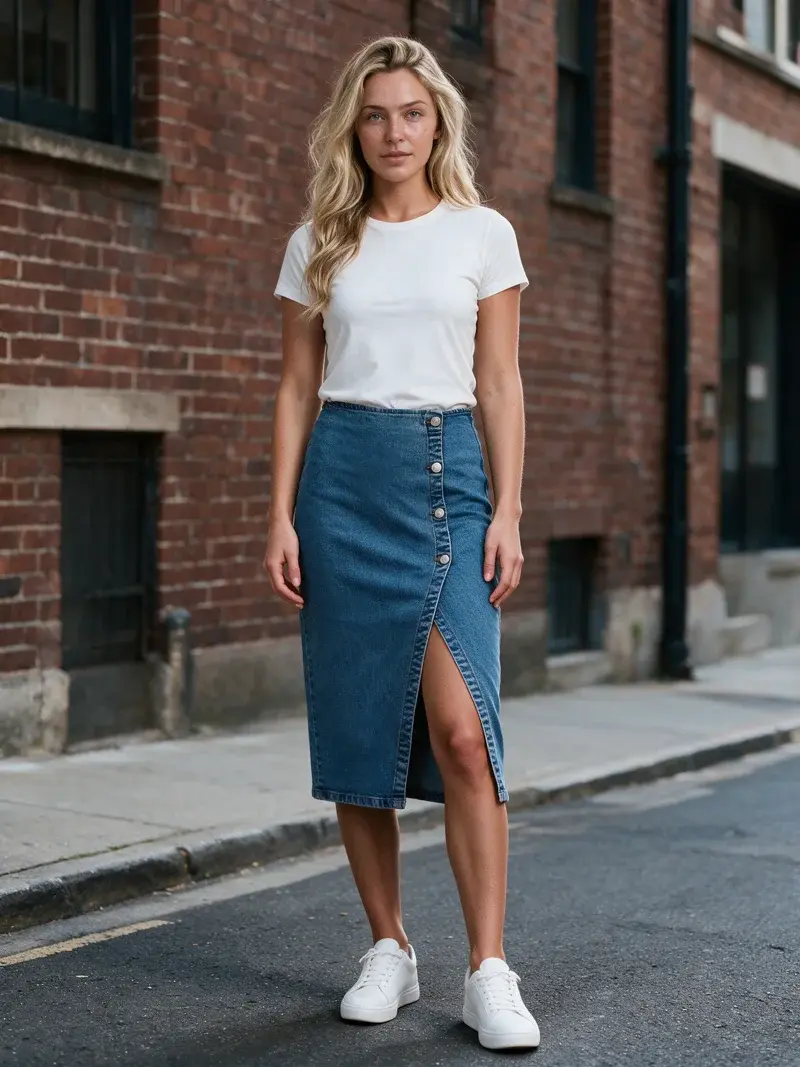
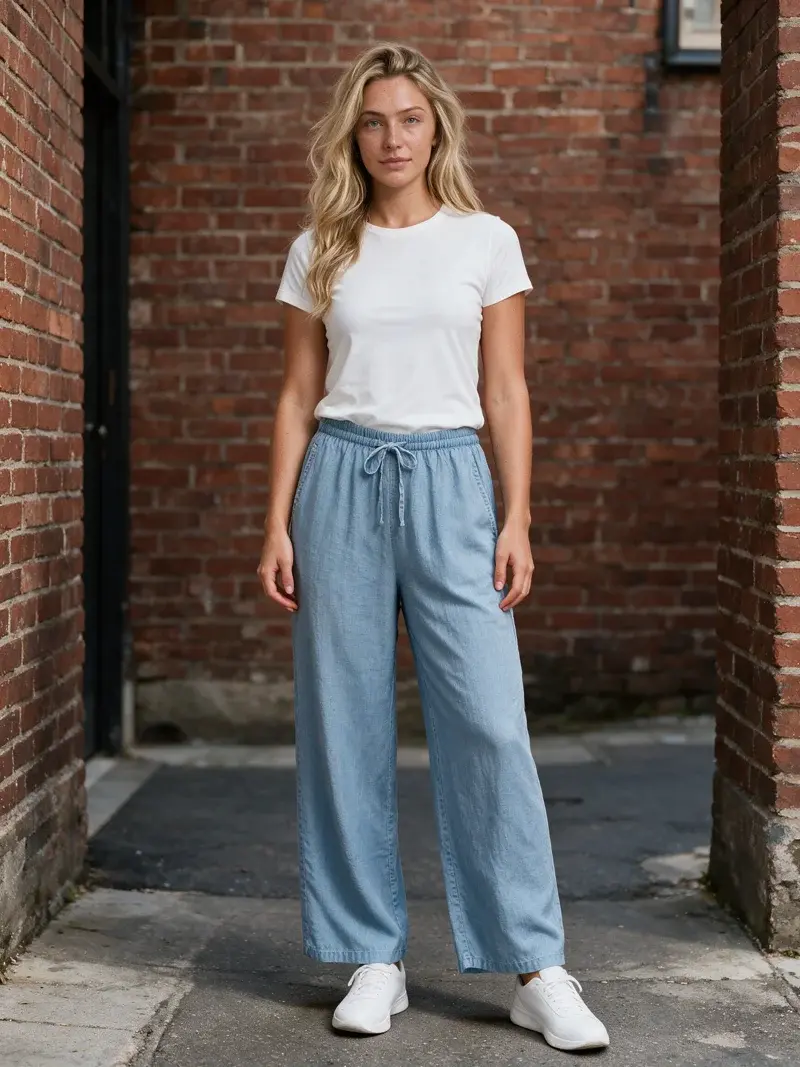
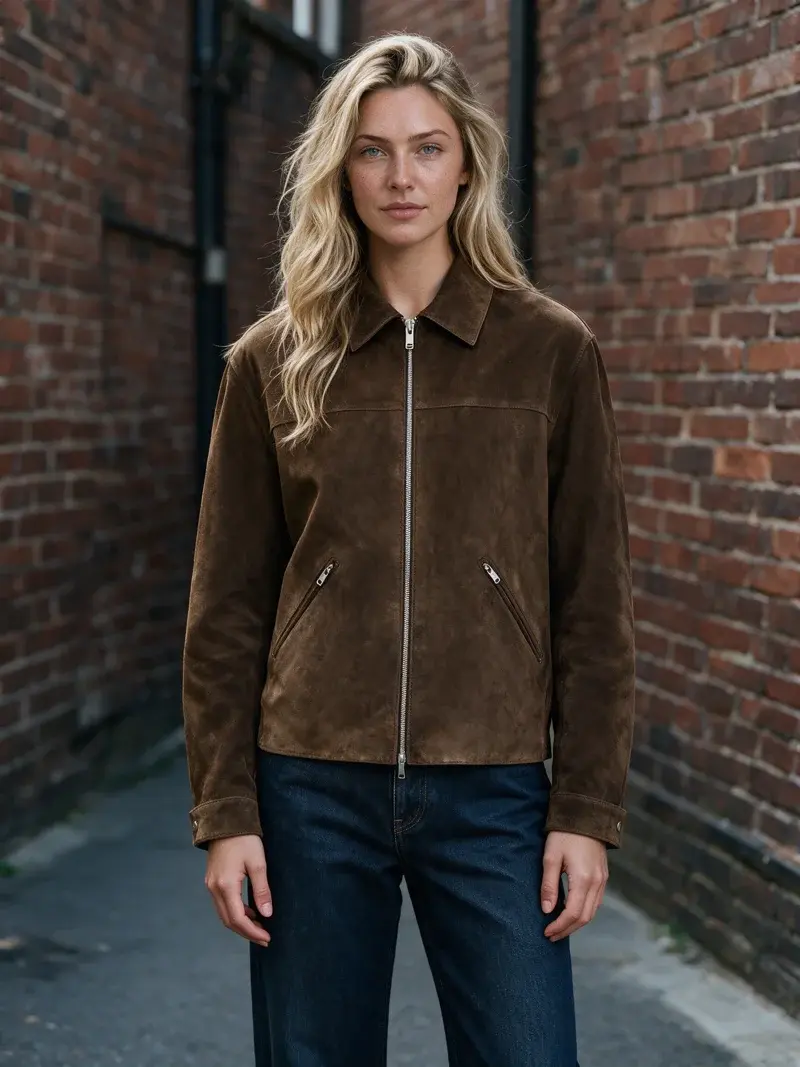
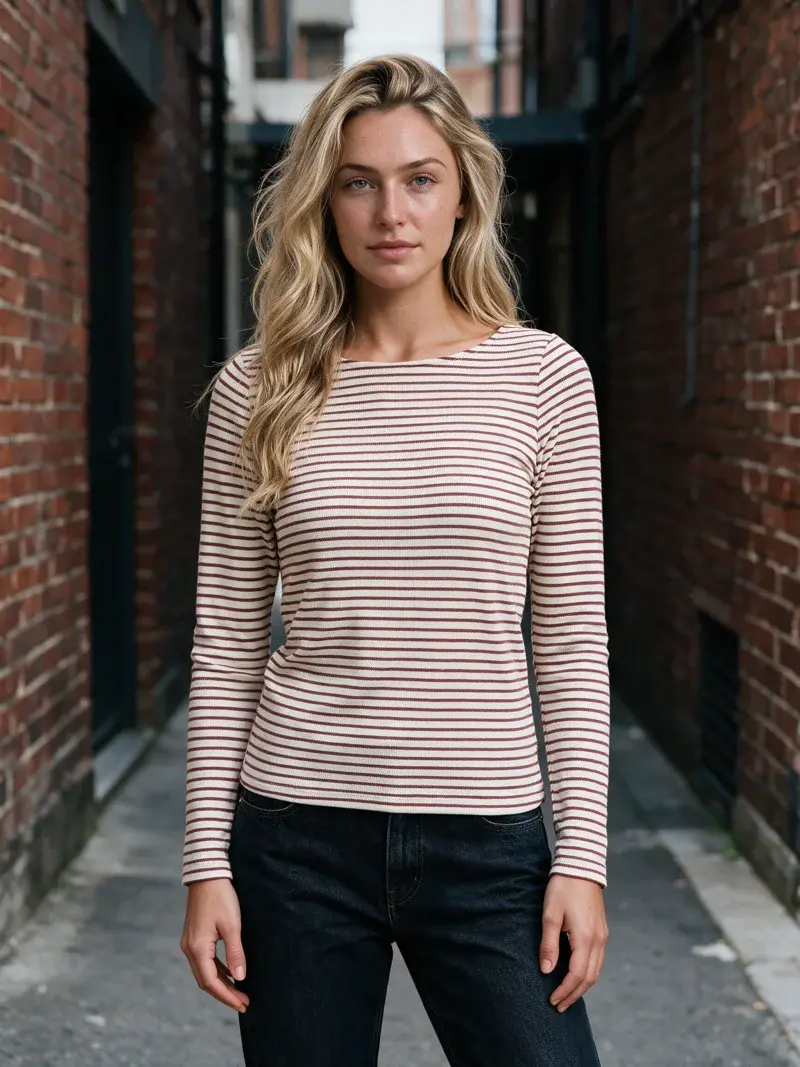
One direction, four garments

This is what reusable art direction produces.

Four different garments, one saved art direction, the same model and camera. Uwear generated all four; nothing else changed between shots. That consistency, held across a full catalog, is the production difference these pages compare.

  • AI-generated on-model photo of a suede zip jacket, Urban Brick Editorial art direction, generated with Seedream 5.0 Pro on Uwear

    Suede jacket

  • AI-generated on-model photo of a red striped knit top, Urban Brick Editorial art direction, generated with Seedream 5.0 Pro on Uwear

    Striped knit top

  • AI-generated on-model photo of a denim midi skirt, Urban Brick Editorial art direction, generated with Seedream 5.0 Pro on Uwear

    Denim midi skirt

  • AI-generated on-model photo of light wide-leg pants, Urban Brick Editorial art direction, generated with Seedream 5.0 Pro on Uwear

    Wide-leg pants

Ask the practical questions.

Use the published scope, commercial terms, and production mechanism to decide which workflow fits.

Yes, when the job is art-directed catalog production rather than a curated self-serve workflow. Botika serves fashion retailers with on-model generation, Shopify and mobile access, and a human retouching service. Uwear is built for teams that need reusable direction, coordinated catalog runs, automatic QA, and agent-operated production. See sources 1, 3, and 8.

Where quality control and direction live. Botika pairs curated generation with a human fix service and enterprise-gated custom direction. Uwear makes reusable art direction and automatic, toggleable QA part of every self-serve job, with failures held for retry instead of delivery. See sources 3, 4, and 6.

Partly, by input type. Botika accepts bulk uploads for the on-model workflow with no daily cap, and its Shopify app imports products and publishes results back. Its help pages describe flat-lay and mannequin looks as created one by one. See sources 5 and 8.

Botika QA is a human correction service: flag a Photo Issue and the Botika team fixes it, with one-to-two-business-day targets on annual plans and expert review at Enterprise. Uwear QA is automatic and agent-driven inside each job, toggleable by the team, with failed outputs held for retry or review. See sources 3 and 6.

Botika sells per-photo subscription credits with published plans (its own surfaces list starting prices of $25 and $33) and a Custom, call-gated Enterprise tier. Uwear publishes one $0.10 credit price and a model rate table covering Studio, API, and MCP. Enterprise volume stays sales-led at both companies; neither price here says which output your team will accept, which is why Uwear keeps QA inside the run. See sources 2, 3, and 8.

Botika publishes no REST API, SDK, webhook, or MCP documentation; its Botika Agents product is an early-access managed workflow, not an external agent surface. Uwear ships a REST API and a remote MCP server that let ChatGPT, Claude, and Codex plan and run photoshoots with a costed brief approved before generation. See sources 7 and 9.

Source notes

Review the published source material.

  1. [1]
    Botika homepage

    Accessed August 25, 2026

    Botika positions AI fashion models trusted by world-class fashion brands and displays customer logos including Forever 21, Perry Ellis, and La Redoute.

  2. [2]
    Botika products

    Accessed August 25, 2026

    Covers on-model, flat-lay, and mannequin inputs, short fashion video, and lists a starting price of $25 per month.

  3. [3]
    Botika pricing

    Accessed August 25, 2026

    Lite, Pro, and Advanced plans gate models, resolution, video, and retouch rounds; video arrives at the Pro tier; Enterprise is listed as Custom with a Book a Call gate.

  4. [4]
    Botika models

    Accessed August 25, 2026

    Self-serve selection uses a curated library of more than 50 models and preset backgrounds; it does not accept text prompts or create new custom models.

  5. [5]
    Botika help: generation limits

    Accessed August 25, 2026

    States there is no daily cap, that bulk upload applies to the on-model workflow, and that flat-lay and mannequin looks are created one by one.

  6. [6]
    Botika onboarding tutorial

    Accessed August 25, 2026

    Documents the manual correction path: the user selects Photo Issue, highlights the problem, and sends it to the Botika team to fix.

  7. [7]
    Botika Agents

    Accessed August 25, 2026

    Describes an early-access agent that builds a brand specification and coordinates creation, retouching, approval, and publishing; general availability and QA behavior are not published.

  8. [8]
    Botika on the Shopify App Store

    Accessed August 25, 2026

    The Shopify connector imports products from a store and publishes generated images back; its listed plans start at $33 per month.

  9. [9]
    Botika help center

    Accessed August 25, 2026

    The public help center documents the web and app workflows; no public REST API, SDK, webhook, or MCP documentation appears there or on the product pages.

  10. [10]
    Botika on the App Store

    Accessed August 25, 2026

    Botika lists an active iPhone app for AI fashion model generation.

  11. [11]
    Botika HELIOT EMIL case

    Accessed August 25, 2026

    HELIOT EMIL used a custom Botika AI model with generated stills and video for its Autumn/Winter 2026 collection, in a hybrid process with expert quality control and retouching.

  12. [12]
    Botika Jordache case study

    Accessed August 25, 2026

    Botika reports that Jordache bought 6,000 photo credits and used the platform for thousands of photos; these are company-published customer claims.

Bring one real catalog

Plan your first catalog run.

Bring the products, output mix, art direction, QA requirements, and delivery path. We will map the production workflow and enterprise scope with you.