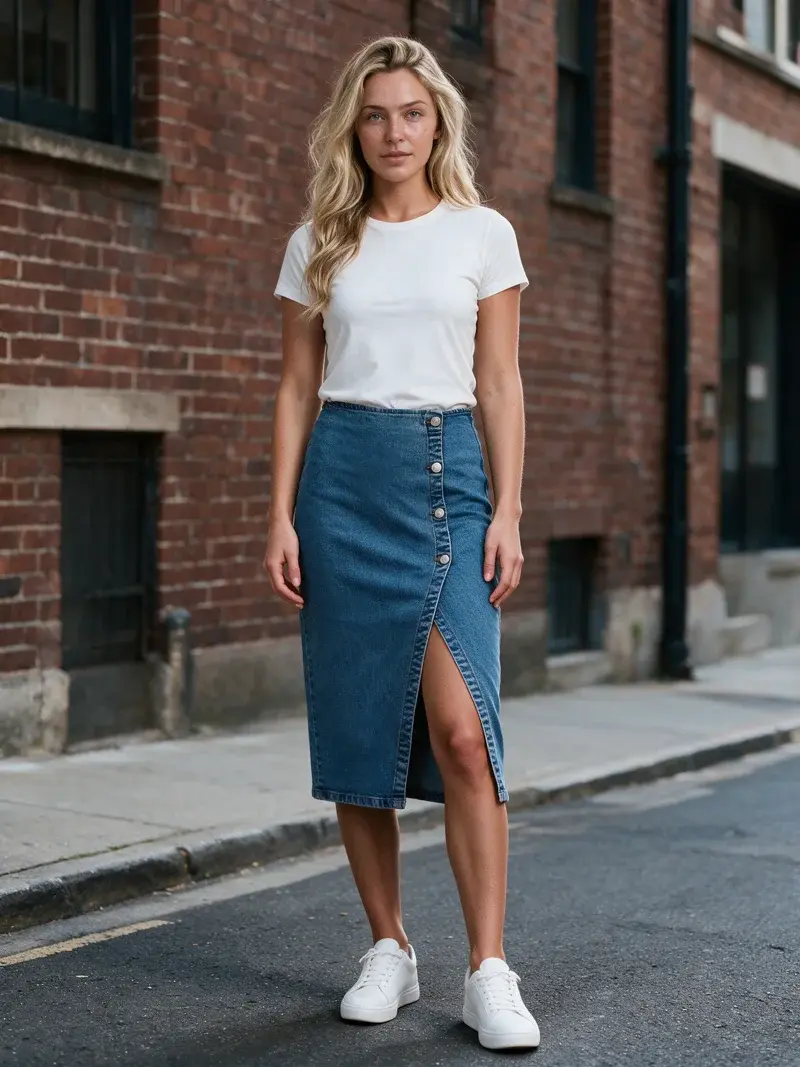
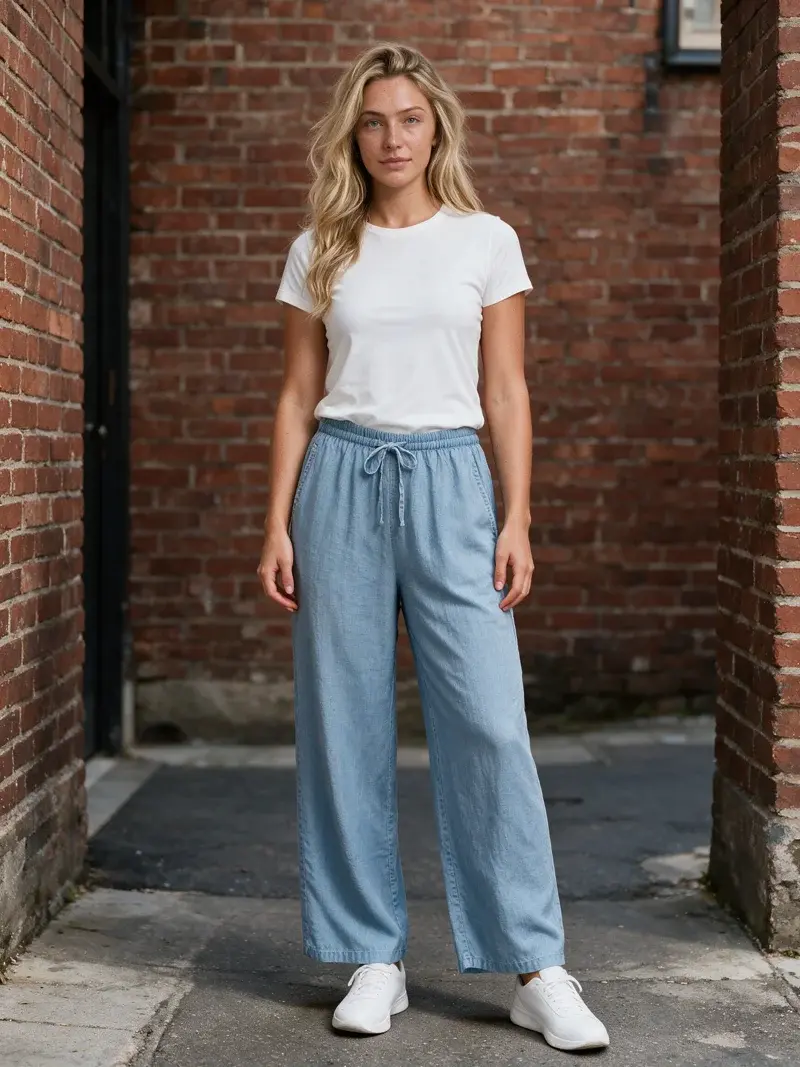
Photoroom alternative for fashion brands

Compare Photoroom and Uwear for fashion production.

Photoroom gives sellers a fast, capable image toolbox. Uwear gives fashion brands an art-directed production line for catalog images and on-model video.

Respect the strength

Start with the job you need to run.

Choose Photoroom

Photoroom is excellent at fast, listing-ready visuals for sellers, small brands, and enterprise teams. More than 1M businesses use its tools.[1][2]

Choose Uwear

Use Uwear when fashion visual work needs to behave like managed production: one direction, one catalog run, automatic QA, on-model motion, and delivery controls.

Five production axes

Compare the production differences.

Evaluate the operating model, not a checklist of loosely similar features. Published Photoroom details are cited in every row.

Production axisUwearPhotoroom
Art-directed productionLocks casting, lighting, framing, variation controls, and automatic QA criteria into one reusable direction across runs.Publishes Virtual Model controls for preset or custom models, poses, settings, and still-image outputs.[5][6]
Full-catalog volumeCoordinates catalog work as one run with direction, status, QA, retries, approvals, and delivery attached.Caps AI Tools in Batch at 250 images at once, while Enterprise separately advertises batch jobs across thousands through the web app or API.[3][7][9]
On-model fashion videoGenerates moving on-model fashion clips from approved catalog stills for product pages and campaigns.Publishes a template-first video generator with more than 300 ecommerce templates alongside its still-image AI Fashion Model workflow.[5][7]
In-loop automatic QARuns automatic, agent-driven QA inside each job, toggleable by the team, with failures held for retry or review instead of approved delivery.Sets contractual fidelity criteria upfront, checks outputs, and credits or regenerates misses; aesthetic preferences sit outside the guarantee.[8]
Transparent, scalable pricingPublishes a $0.10 credit price and model rate table for self-serve planning. Enterprise scope stays sales-led for volume, invoicing, shared workspaces, and implementation.Lists Enterprise as custom, with plans starting at 200K or more images per year; API Enterprise adds annual commitment and a 200K-image minimum.[2][4]

01

Lock direction across every run.

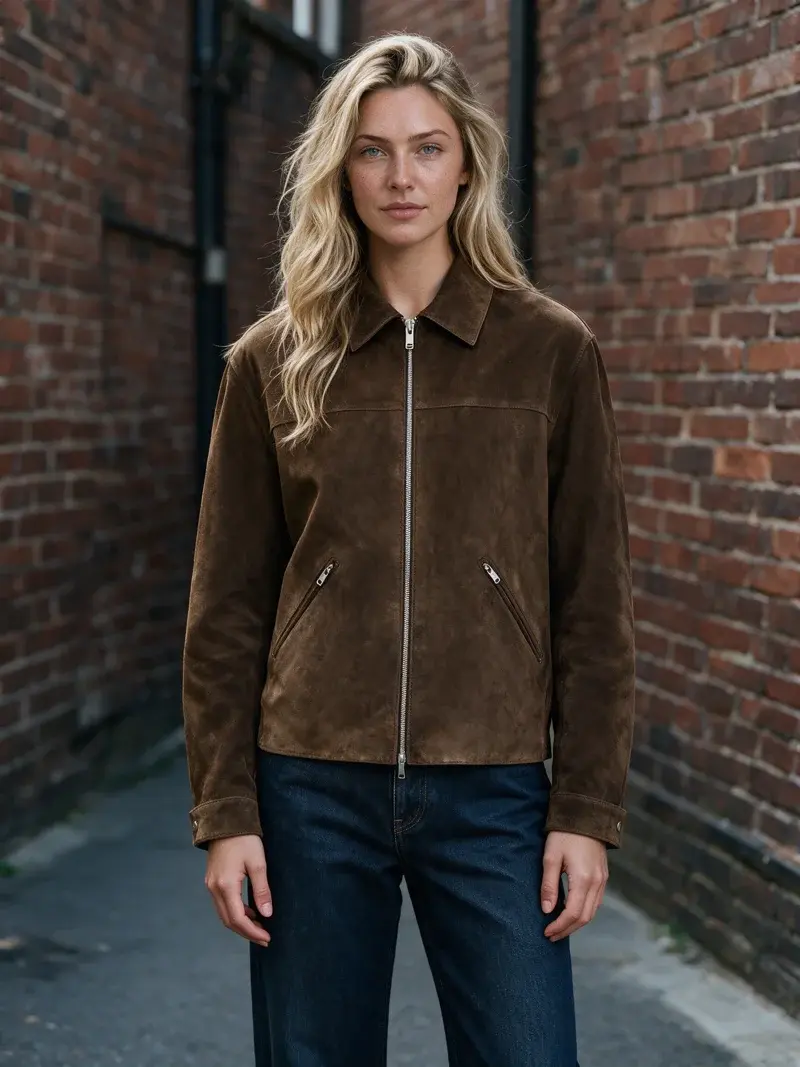
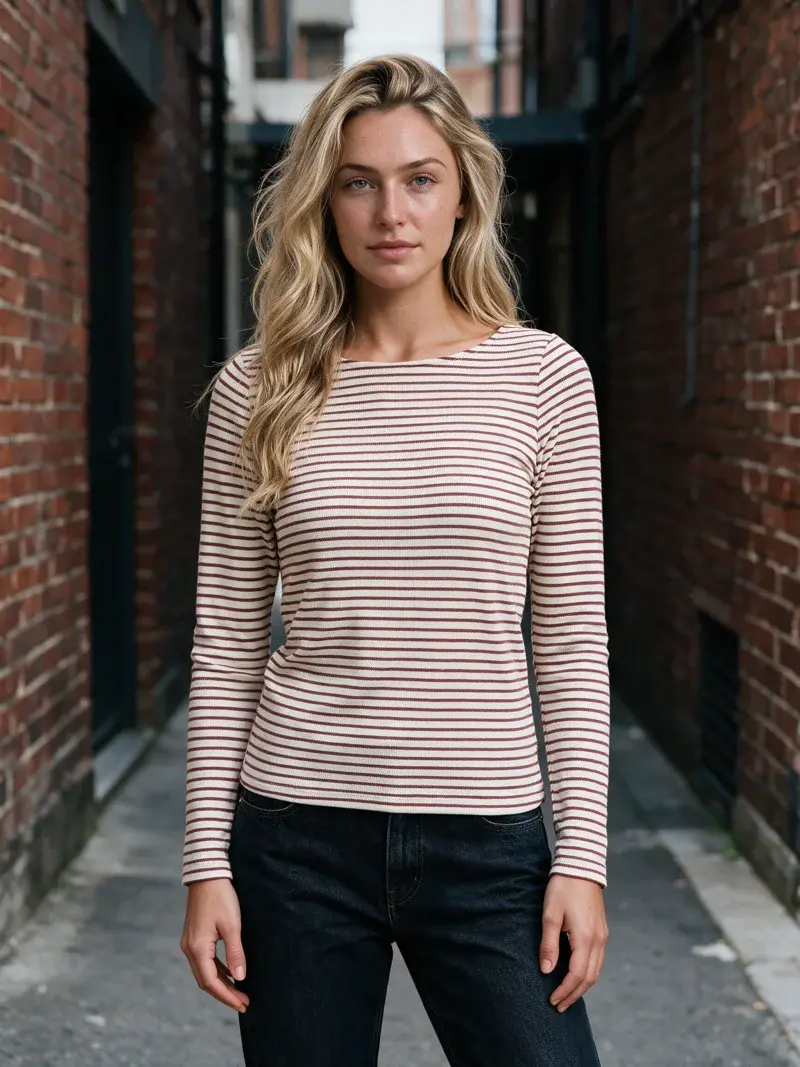
Uwear treats art direction as a reusable production brief. Casting, lighting, framing, variation controls, product requirements, and automatic QA criteria travel together from one run to the next.

Photoroom publishes strong still-image controls for model choice, pose, setting, and custom model references. Choose Uwear when the requirement is one shared direction that governs the whole production run, not a collection of output settings.[5][6]
02

Coordinate the full catalog, not just a batch.

Uwear keeps catalog intake, direction, job status, automatic QA, retries, approvals, and delivery connected. The operating unit is the production run, even when the catalog spans many products and output types.

Photoroom publishes two different volume claims: AI Tools in Batch runs across up to 250 images at once, while Enterprise batch editing covers thousands in a single web or API job. Its Guarantee launched for mid-volume food and fashion work. The useful comparison is coordinated production scope, not a claim that every Photoroom workflow stops at 250 images.[3][7][9]

03

Turn approved stills into on-model motion.

Uwear sends an approved on-model still into the video step, then produces motion for product pages and campaigns without starting a separate asset chain.

Photoroom publishes a template-first video generator that can sit beside its AI Fashion Model image workflow. Choose Uwear when the required output is moving on-model fashion video from a still your team already approved.[5][7]

04

Keep automatic QA inside the production loop.

Uwear makes automatic QA an agent-driven, toggleable part of the job. Outputs that fail the selected checks remain in retry or review, so approved delivery stays separate from failed work. This is workflow control, not a blanket pass-rate or fidelity guarantee.

Photoroom also publishes pre-delivery checking. Its Enterprise Guarantee agrees product-fidelity criteria upfront, checks every output, and credits or regenerates misses. The guarantee excludes aesthetic choices, so teams should compare the scope of the checks as closely as the remedy.[8]

05

Model cost before the run starts.

Uwear publishes the self-serve credit price and the credit rate for each image and video model. Teams can estimate a run before buying credits. Enterprise pricing remains sales-led because volume, invoicing, shared workspaces, implementation, and support extend beyond credit consumption.

Photoroom publishes custom Enterprise pricing, plans starting at 200K or more images per year, and annual API Enterprise terms with a 200K-image minimum. The contrast is how much of the cost can be computed before a sales process, not which company is cheaper.[2][4]

Decision guide

Choose the workflow that matches your team.

Choose Photoroom for seller velocity.

  • Fast listing-focused editing across a broad ecommerce toolset.
  • Preset or custom virtual models for still-image outputs.
  • Template-first sales videos and self-serve AI-tools batches.
  • Contractual product-fidelity remedies for qualifying Enterprise work.

Choose Uwear for managed fashion production.

  • Reusable art direction that holds across a catalog run.
  • On-model fashion video generated from approved stills.
  • Automatic, agent-driven, toggleable QA inside the job.
  • Public self-serve economics before a sales-led enterprise rollout.

Ask the practical questions.

Use the published scope, commercial terms, and production mechanism to decide which workflow fits.

Yes, when the job is art-directed fashion production rather than fast seller-focused editing. Photoroom serves more than 1M businesses and is excellent at listing-ready visual tools. Uwear is designed for fashion teams that need reusable direction, coordinated catalog runs, automatic QA, and on-model fashion video. See sources 1, 5, and 7.

Photoroom brings a broad toolbox for creating and editing ecommerce visuals. Uwear operates as a production line for fashion brands: art direction, catalog jobs, automatic QA, retries, approvals, on-model video, and delivery stay connected.

Photoroom says AI Tools in Batch handles up to 250 images at once, and its Enterprise offer separately advertises thousands of images in one web or API job. Uwear focuses the comparison on a coordinated catalog run with direction, QA, retries, approvals, and delivery attached. See sources 3, 7, and 9.

Photoroom publishes a template-first video generator with more than 300 ecommerce templates and connects it to the same session as AI Fashion Model images. Uwear focuses on moving on-model fashion clips generated from approved catalog stills. See sources 5 and 7.

Uwear automatic QA is agent-driven and toggleable inside each production job, with failed work held for retry or review. Photoroom Enterprise Guarantee agrees fidelity criteria upfront, checks outputs, and credits or regenerates misses; aesthetic preferences are outside its guarantee. See source 8.

Uwear publishes a $0.10 self-serve credit price and model rate table so teams can estimate a run before buying credits. Enterprise work remains sales-led for volume and implementation. Photoroom lists custom Enterprise pricing from 200K or more images per year, while API Enterprise lists an annual commitment and 200K-image minimum. See sources 2 and 4.

Source notes

Review the published source material.

  1. [1]
    Photoroom homepage

    Accessed July 17, 2026

    Photoroom says more than 1M businesses use its seller-focused visual tools.

  2. [2]
    Photoroom pricing

    Accessed July 17, 2026

    Pro is positioned for resellers and solopreneurs, Max for small brands, and Enterprise uses custom pricing with plans starting at 200K or more images per year.

  3. [3]
    Photoroom Enterprise

    Accessed July 17, 2026

    Enterprise advertises batch editing for thousands of images in one job and annual pricing with volume tiers negotiated at contracting.

  4. [4]
    Photoroom API pricing

    Accessed July 17, 2026

    API Enterprise terms list an annual commitment, a 200K-image minimum, and volume-based discounts.

  5. [5]
    Photoroom Virtual Model tool

    Accessed July 17, 2026

    The tool publishes controls for model type, pose, background, image dimensions, and still-image downloads.

  6. [6]
    Photoroom Virtual Model API

    Accessed July 17, 2026

    The API turns flat lay or ghost mannequin inputs into on-model photography with preset or custom models, poses, settings, and image quality checks.

  7. [7]
    Photoroom H1 2026 product recap

    Published July 1, 2026

    AI Tools in Batch processes up to 250 images at once; the video offer is described as template-first with more than 300 ecommerce templates.

  8. [8]
    Photoroom Enterprise Guarantee

    Accessed July 17, 2026

    Fidelity criteria are agreed upfront, every output is checked, misses are credited or regenerated, and aesthetic choices are outside the guarantee.

  9. [9]
    Photoroom Enterprise Guarantee launch

    Published June 19, 2026

    The launch announcement scopes the initial guarantee to food and fashion enterprise customers operating at mid-volume scale.

Bring one real catalog

Plan your first catalog run.

Bring the products, output mix, art direction, QA requirements, and delivery path. We will map the production workflow and enterprise scope with you.