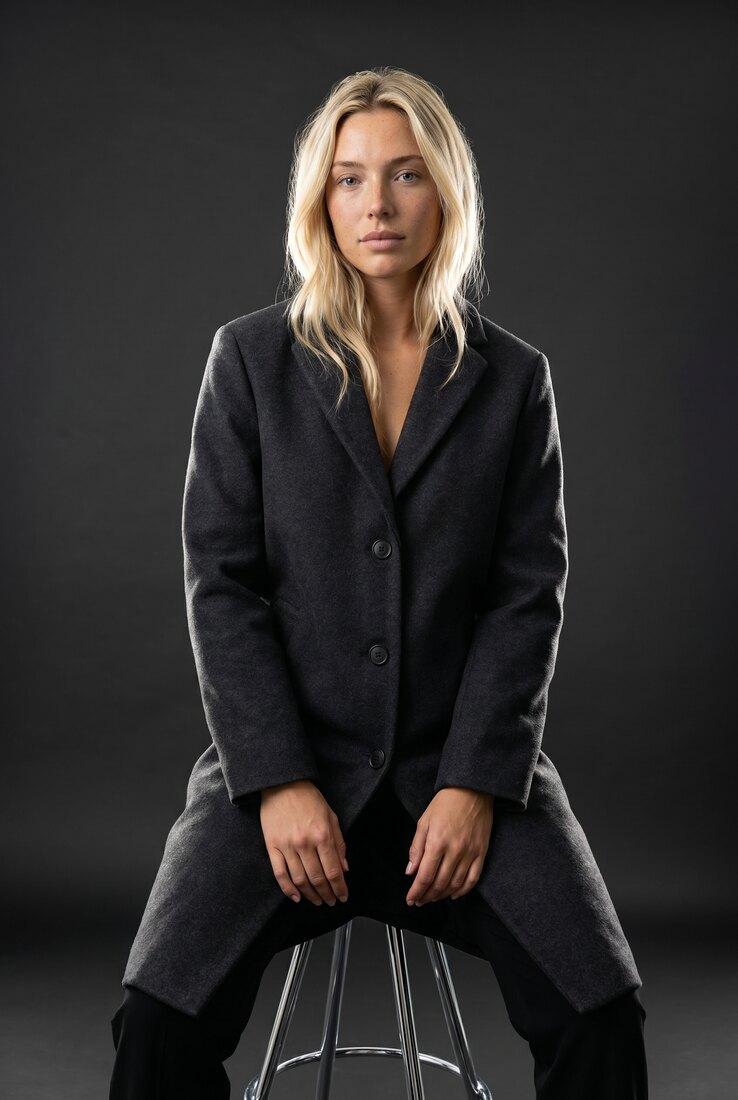
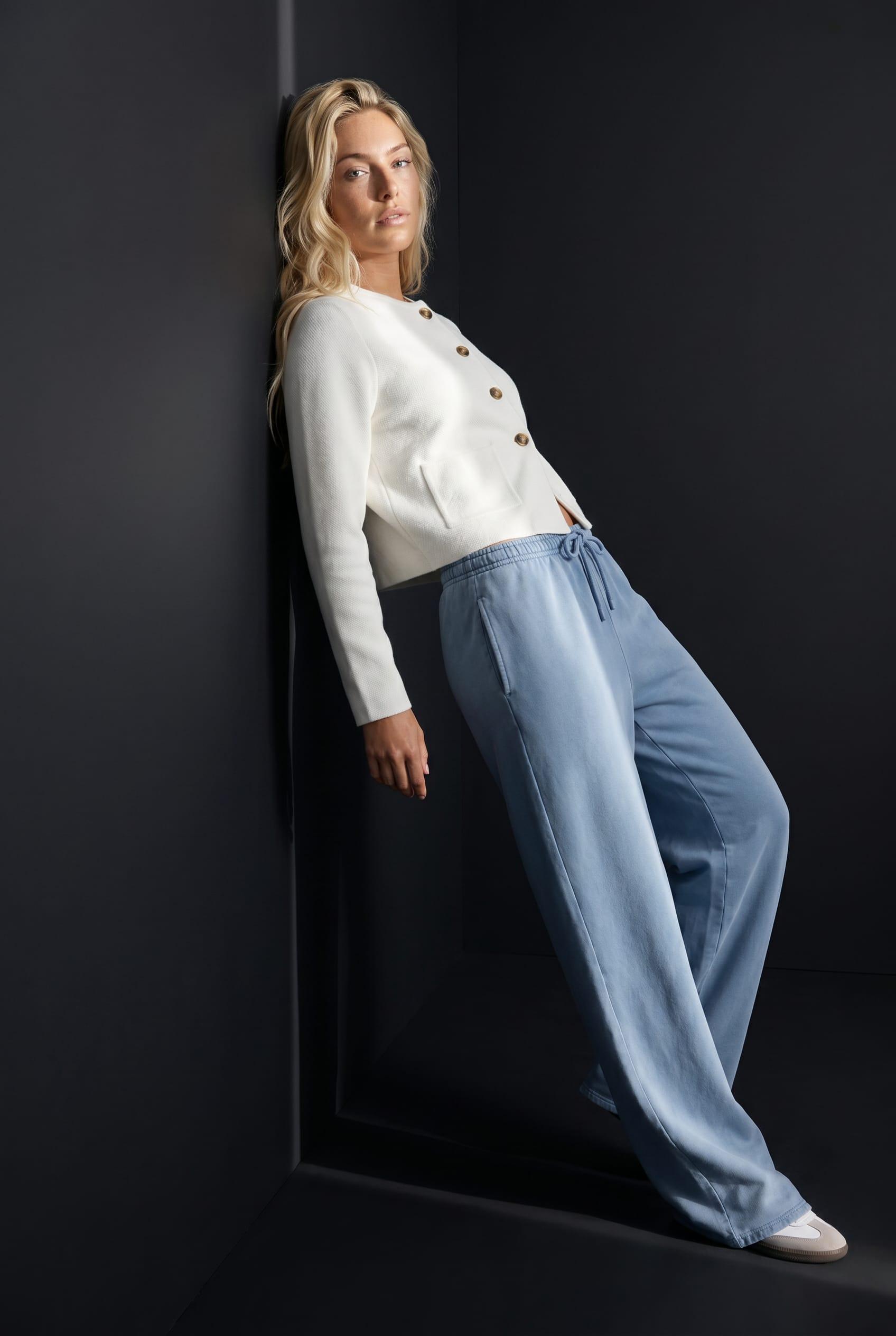
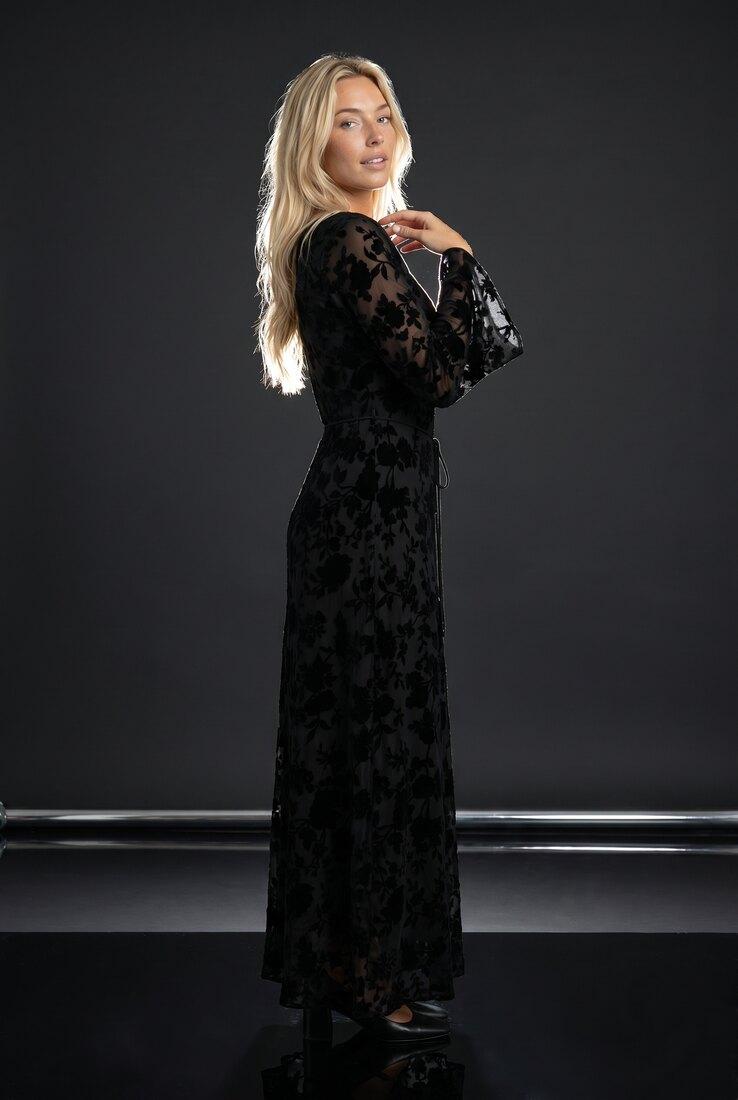
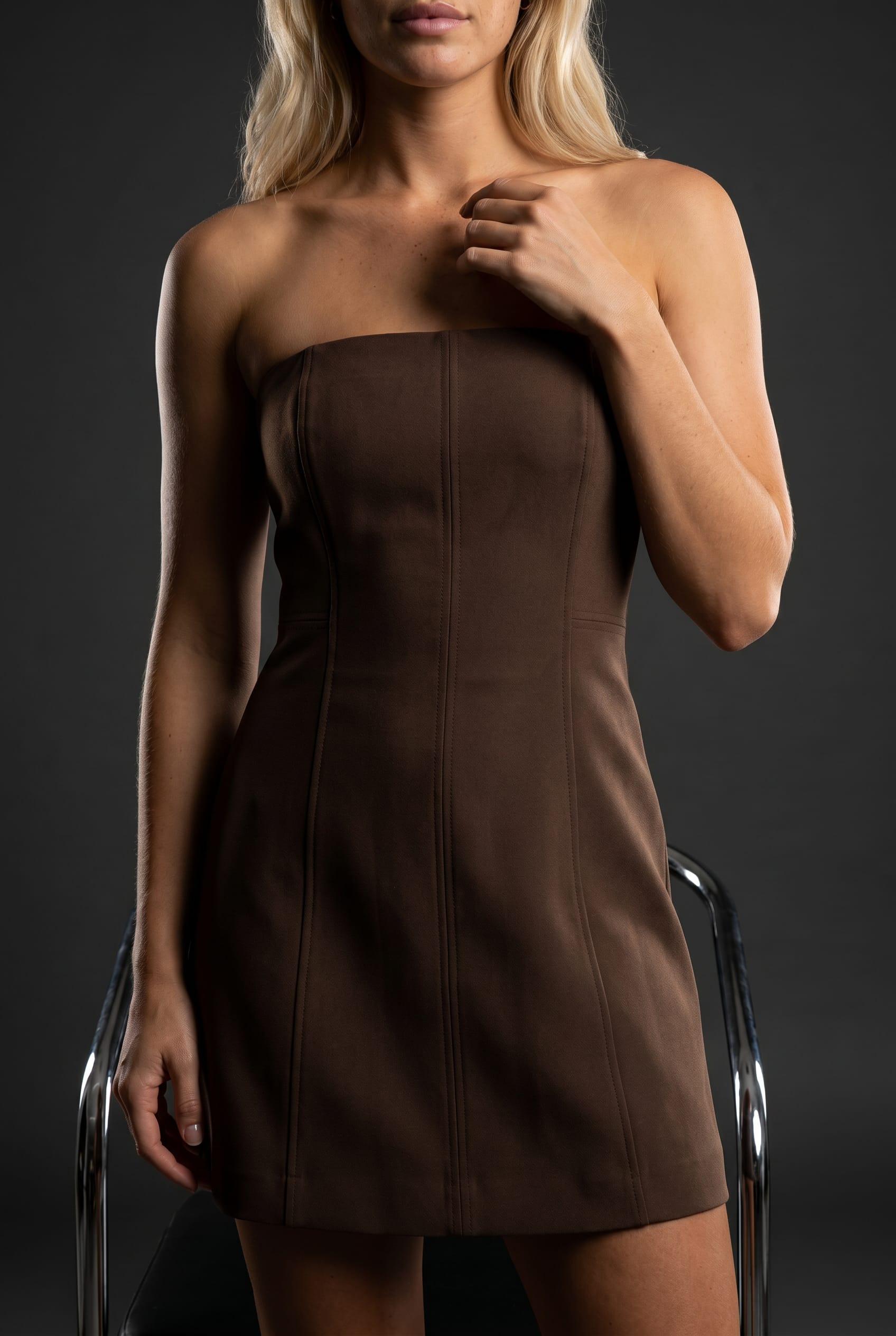
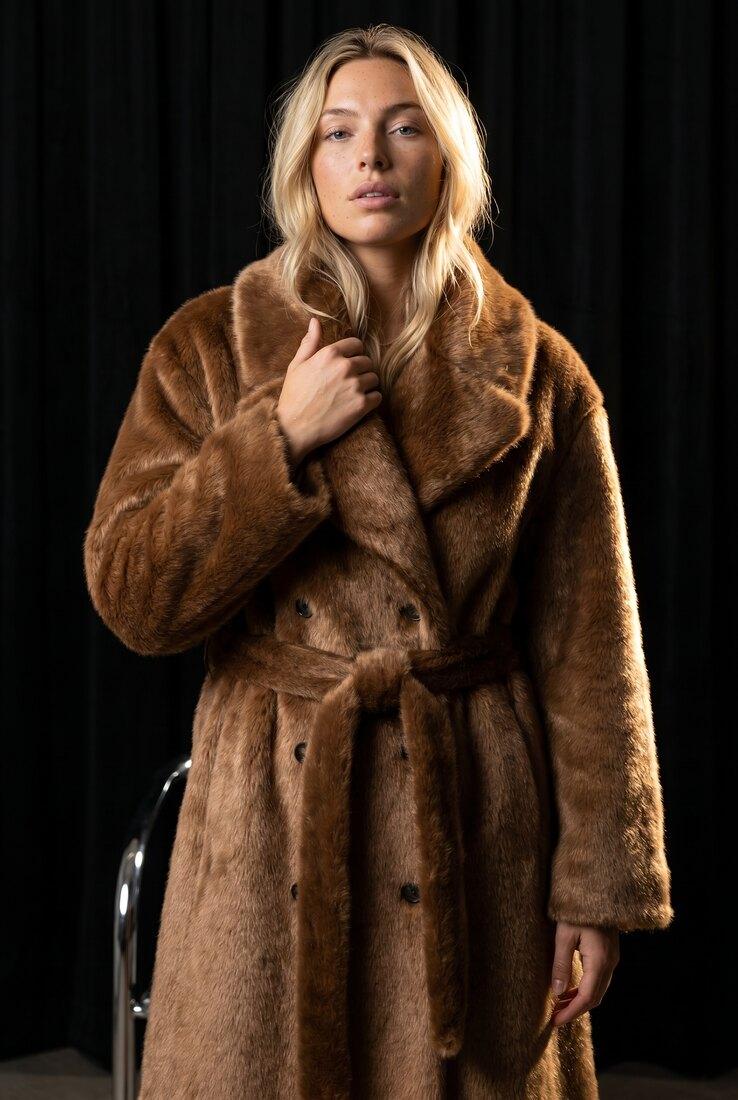
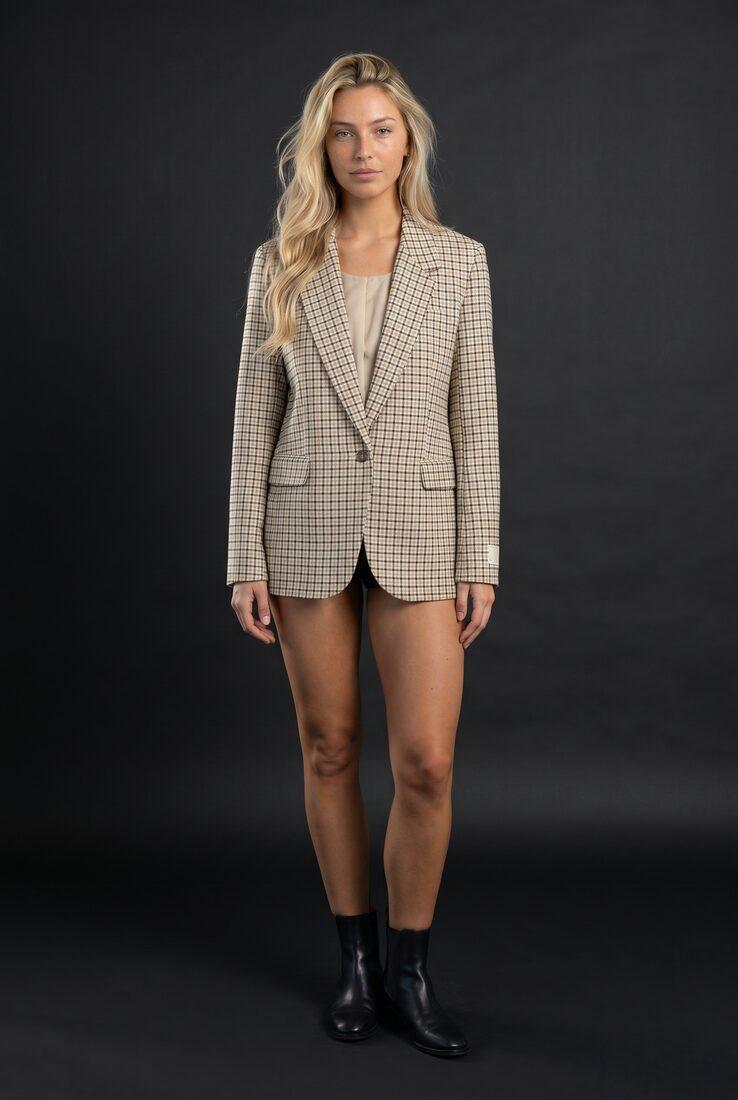
Use case · Streetwear
Shoot the drop the week it is ready
Send the pieces, pick an urban direction, and receive a coherent lookbook where prints and logos carry through.
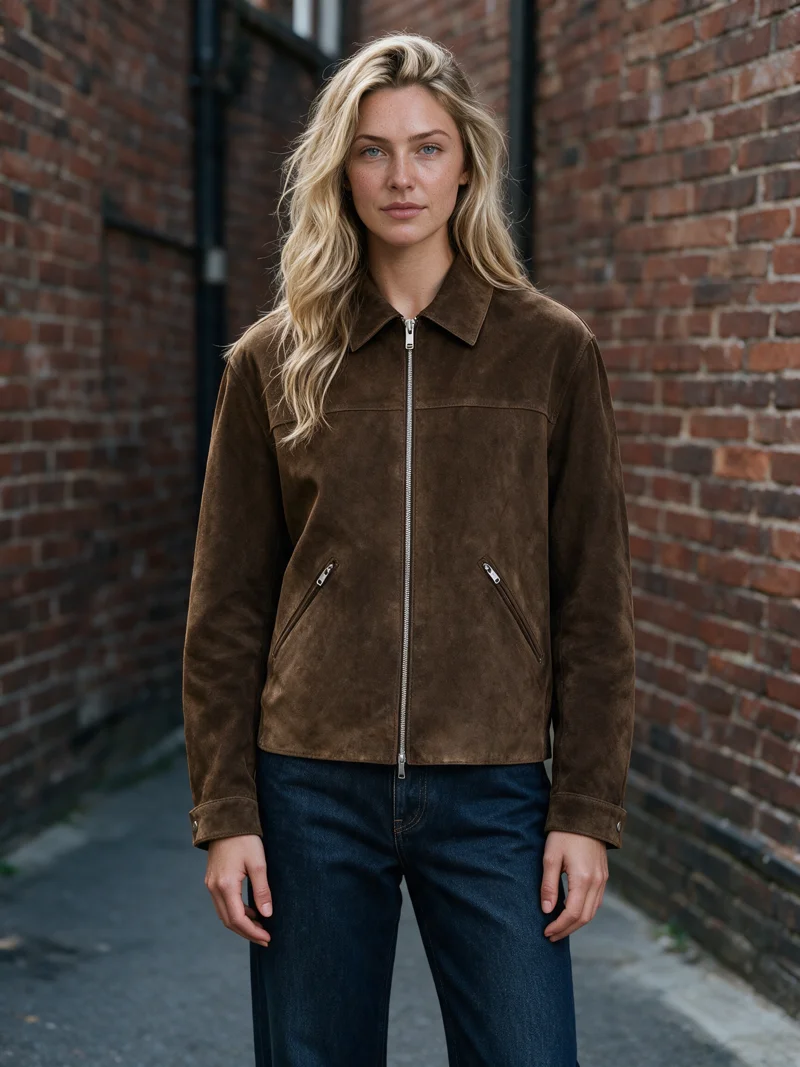
Production signals
- Graphics carried from the product photo
- One urban direction per drop
- Optional AI reviewer
Mechanism
Shoot each drop as one session.
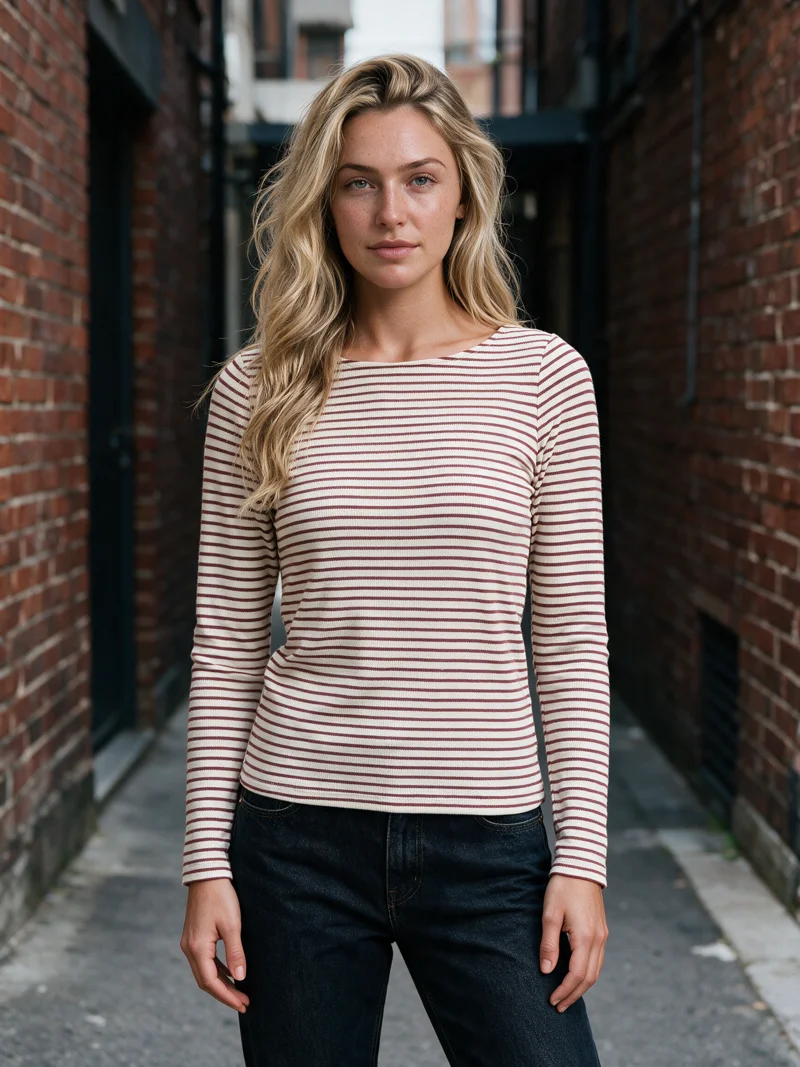
Streetwear runs on cadence: frequent drops, small runs, and a look that has to feel like one shoot. A saved urban direction fixes the model, the street, and the light for the whole drop, while each garment photo carries its own graphics, embroidery, and fit into the result. When QA is on, an AI reviewer compares every image with the source garment and retries anything it flags, so print legibility does not depend on luck.
Workflow
The production loop
Send the pieces
Upload flat lays for the tees, hoodies, and outerwear in the drop, including back views when rear graphics matter.
Pick the street
Choose the model and an urban direction once: brick, backstreet, or your own city world.
Ship the lookbook
Run the drop as one batch with the AI reviewer on or off, then publish a lookbook that reads as one shoot.
Outcomes
What this unlocks
Drop-day photos on drop week
The lookbook exists days after the samples do, not weeks after a studio slot opens.
Prints carry at listing size
Graphics, embroidery, and logo placement carry from the product photo, with an optional automatic check per image.
Every drop is one world
The saved direction holds the model, the street, and the light constant, so the drop page looks like one session.
Run it from your assistant
Run this photoshoot from your AI assistant with a Uwear template.
Connect the Uwear MCP server to ChatGPT, Claude, or Codex and ask for the Instagram drop template. It is a batch workflow that runs once per garment: three lifestyle photos and a short opening clip from one garment, in the Nostalgic Coastal Collage art direction, ready to post as a carousel. Any Uwear account can load it by name, and the assistant shows a costed brief in credits before generation starts.
Copy this prompt into your assistant
Connect to the Uwear MCP server and load the "Instagram drop" template. Change its art direction to "Low-Angle Concrete Flash Studio", run it on my streetwear pieces, turn the AI reviewer on so prints and logos are checked against each product photo, and show me the costed brief before generating.
What one run does, per garment
Generate the hero frame
A wide, in-situation establishing shot where the scene does the talking. The camera is chosen automatically for the garment.
Animate the hero
A 5-second Kling 3 Pro clip from the hero frame: a few natural steps, wind in hair and fabric, one soft glance toward camera. No camera shake.
Generate the closer candid
A half-body candid moment with a different setting detail than the hero frame.
Generate the quiet frame
A seated or paused moment with the garment silhouette fully readable.
Outputs per garment
- Hero lifestyle photo, 2K, 4:5
- Half-body candid photo, 2K, 4:5
- Seated or paused photo, 2K, 4:5
- 5-second opening clip from the hero frame
The setup the template pins
- Template kind
- Batch workflow: runs once per garment row
- System key
- demo_instagram_drop
- Art direction
- The prompt on this page swaps the template’s coastal default for Low-Angle Concrete Flash Studio (system art direction): low camera, hard flash, concrete floor. Save your own street direction to replace it.
- Location
- None pinned; the art direction carries the scene
- Model
- The Uwear system model by default; the assistant can swap in one of your saved models when it proposes the brief
- Image model
- nano-banana-pro, 2K, 4:5
- Video model
- Kling 3 Pro, 5 seconds
- QA
- Optional. With the AI reviewer on, each result is checked against the source product photo and flagged results are retried
- Approval
- The assistant shows a costed brief in credits before anything generates
Frequently asked questions
Yes. The garment photo is the source of truth, so prints, embroidery, and logo placement carry into the model photo. An optional AI reviewer checks each result against the source and retries images where the graphics drift.
One saved urban direction per drop fixes the model, the street, and the light. Each new piece reuses it, so the drop page reads as one shoot even when pieces arrive on different days.
Yes. The same run produces listing shots and lookbook frames, and approved stills can continue into short fashion video for the drop announcement.
The Instagram drop template with its art direction swapped. The template is a batch workflow: for each piece it generates three lifestyle photos at 2K, 4:5 and a 5-second clip from the hero frame. Its default direction is coastal, so the prompt on this page switches it to Low-Angle Concrete Flash Studio, a system art direction with a low camera, hard flash, and a concrete floor. Any Uwear account can load the template by name through the MCP server, and the assistant shows a costed brief before generating.
Next step
Map this workflow into your catalog operation.
Start with the use case, then decide whether the right access path is Studio, API, MCP, or a custom enterprise rollout.