Can I use Nano Banana for my clothing brand’s product photos?
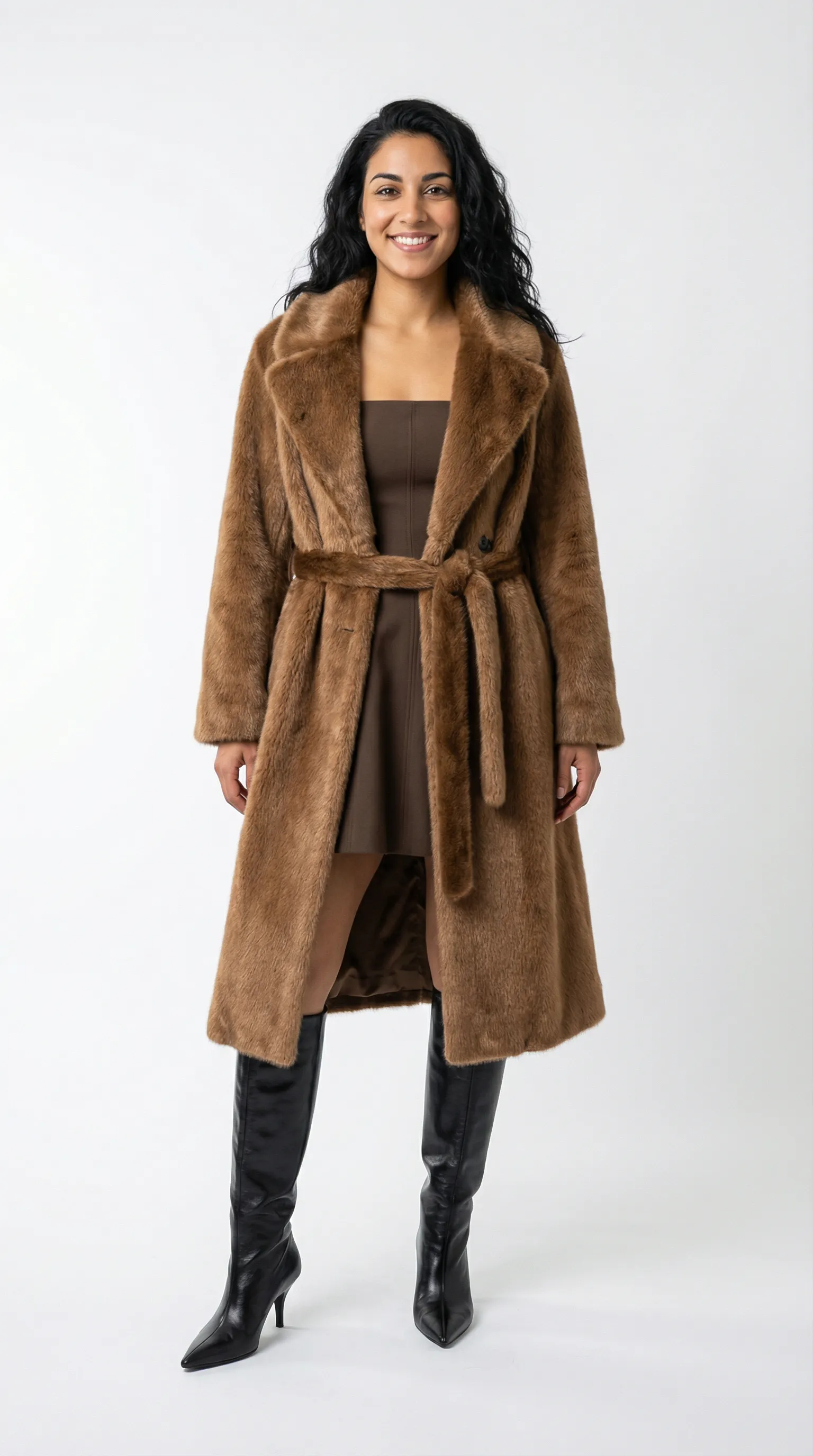
Yes, for one photo. Attach a product photo in Gemini, describe a model and a set, and Nano Banana Pro will put the garment on a body well enough for a mood board, a social post or a first look at whether the piece reads on a person. The prompts below are the ones that work. The rest of this page is about what happens on the second garment, because a clothing brand never needs one photo. It needs the same model on the next forty products, the print checked against the product it is selling, the back view and the detail crop, and all of it again next month. Uwear runs the same Nano Banana 2 and Nano Banana Pro inside a system that carries that. The photo at the top of this page is one of them.
Which Nano Banana, and what Google says it does
Google lists four models under the name [1]. Nano Banana 2 Lite is the fastest and cheapest and outputs 1K only. Nano Banana 2 is the generalist: up to 14 reference images per request, output from 0.5K to 4K, aspect ratios from 1:1 to 21:9 including the 2:3 and 4:5 a product page and a social feed want. Nano Banana Pro is the premium choice for the most complex visual tasks, which for a clothing brand means prints, lettering on a label and structured garments. The original Nano Banana is the one Google now recommends moving away from. Two documented facts matter most for product photos: the model takes up to 10 images of objects with high fidelity and up to 4 images of characters to maintain character consistency [1], and every generated image includes a SynthID watermark [1]. On the API, Nano Banana 2 is $0.067 per image at 1K and $0.151 at 4K, and Nano Banana Pro is $0.134 at 1K or 2K and $0.24 at 4K [2].

Prompts that work in Gemini
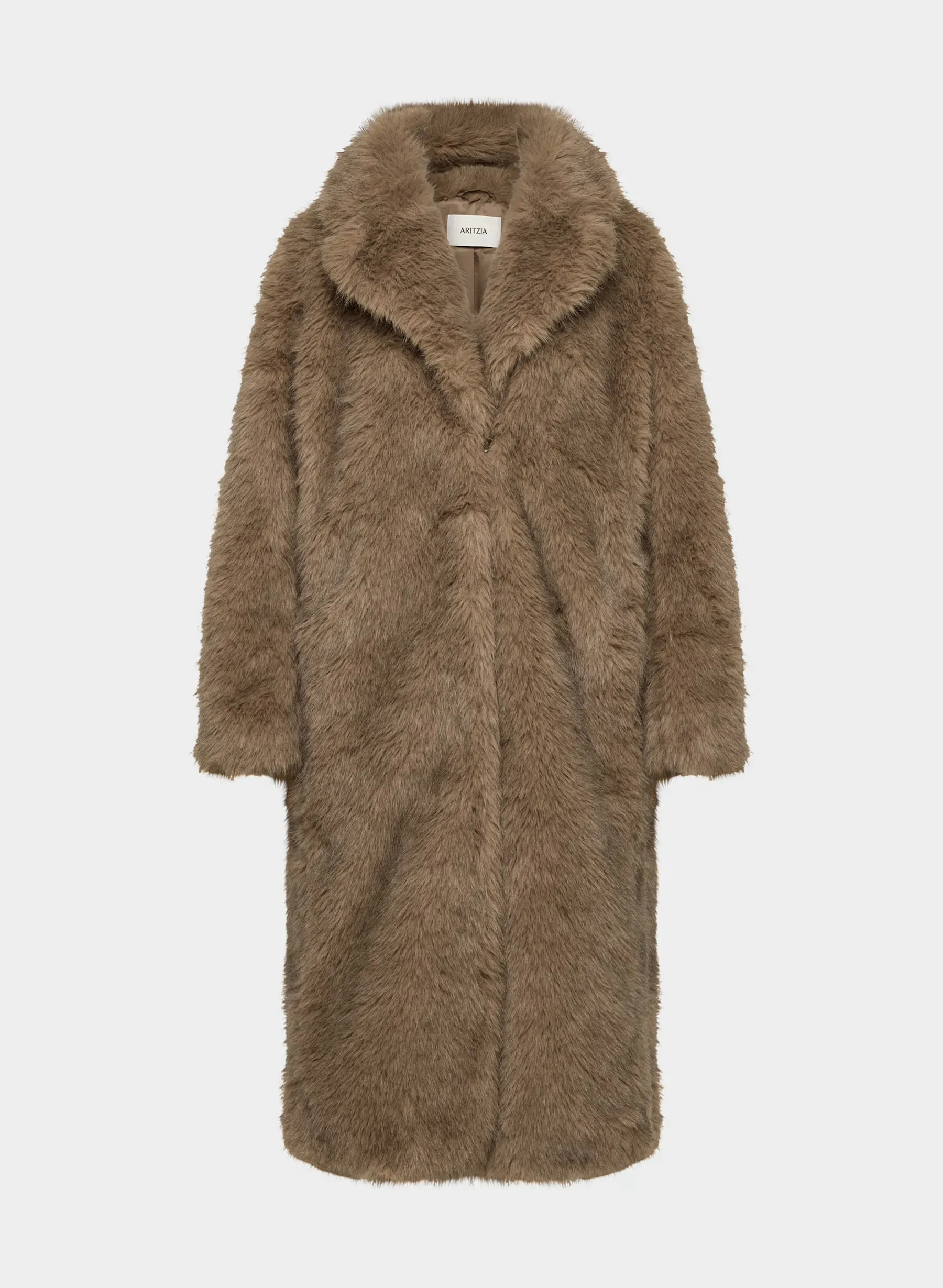
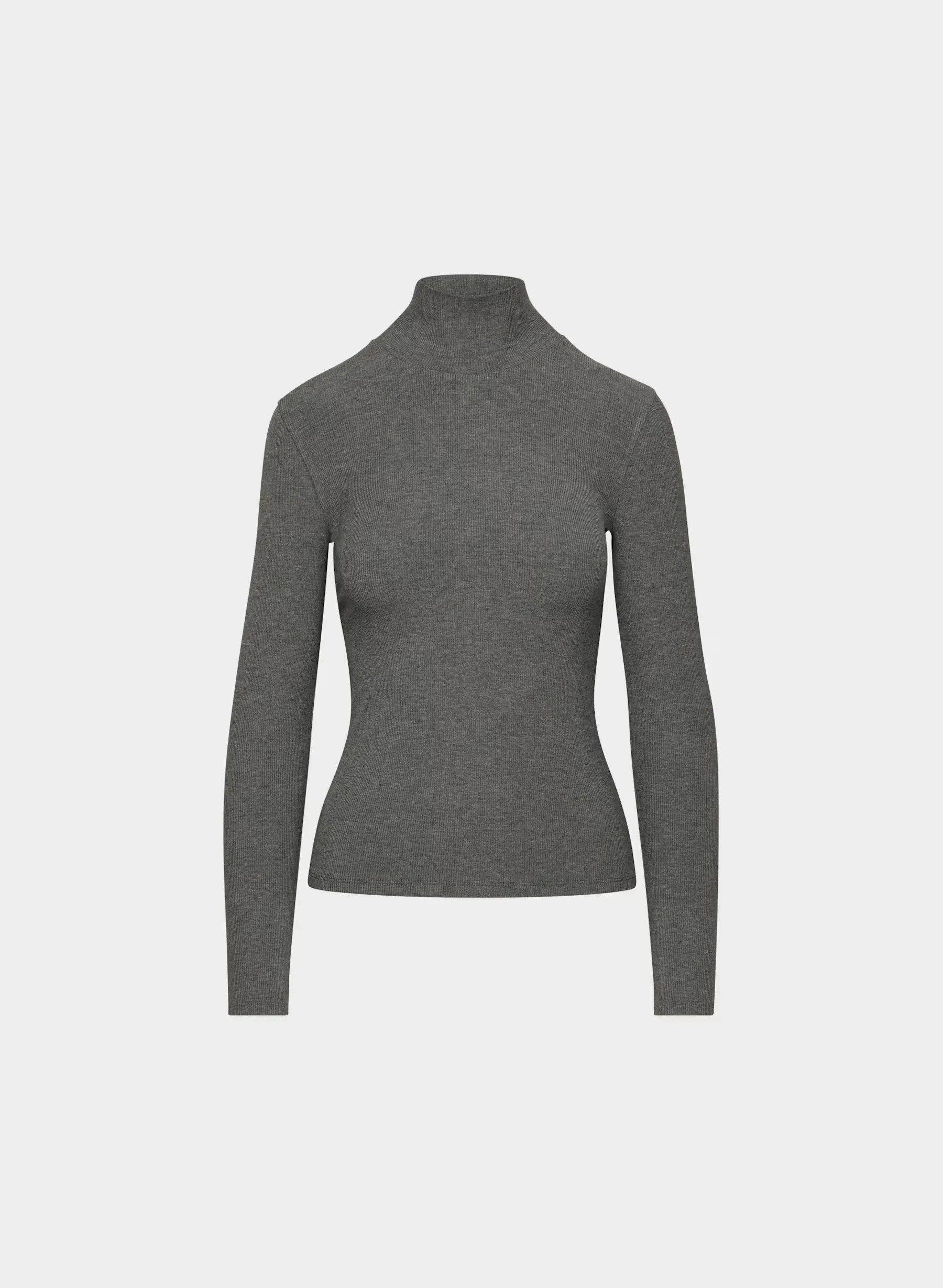
Attach the product photo and, for the second and third prompts, the model's reference photos. Say what must stay identical; the model follows that better than a description of the garment.
A flat lay onto a model, plain studio
“Using the attached photo of this garment as the exact reference for its cut, colour, print and seams, generate a full-body photo of a woman wearing it, standing, facing the camera, on a plain white studio background with soft even light. Keep every detail of the garment identical to the reference. 2:3 aspect ratio.”
The same model again, with reference photos
“The first attached images are reference photos of the model; keep her face, hair and body identical. The last attached image is the garment; keep it identical to the reference. Generate a full-body photo of her wearing the garment on the same white studio set as before, same light, same framing. 2:3 aspect ratio.”
Back view of an approved photo
“Using the attached approved photo, show the same model in the same garment, same set and same light, from behind, full body. Do not change the garment, the model or the lighting.”
Where the single prompt stops
The same image model sits on both sides of this table. The difference is what carries from one photo to the next.
| What has to carry | Nano Banana in Gemini | Nano Banana inside Uwear |
|---|---|---|
| The garment | A photo attached to the prompt and a sentence asking the model to keep it identical. Google supports up to 10 object reference images with high fidelity [1]. | The product photo is the reference for every generation, and the automatic reviewer compares each result with it and retries what drifted. |
| The model (the person) | Reference photos attached to every request; Google supports up to 4 character reference images for consistency [1]. You judge the result. | A saved model. Create it once; every generation receives it, and the reviewer rejects a photo that shows a different person. |
| The look | Re-described per image: the set, the light, the framing, the pose. | A saved art direction: set, light, camera and mood, saved once and reused by every garment, so product 400 is shot in the same world as product 1. |
| The check | Your eyes, one image at a time. | An automatic reviewer, built by Uwear, compares the result with the product photo and the saved model, records a pass or fail per criterion, and retries up to a limit you set. You can switch it off. |
| The run | One request per image. | One priced plan for the whole range, approved once, from the web app, the API, or from ChatGPT, Claude or Codex through the MCP server, the connector that lets ChatGPT, Claude or Codex plan and run a job. |
| The other views | Ask again for each angle, attaching the approved photo. | Upper-body, back and detail views are camera edits of the approved front photo, meaning the approved photo re-framed rather than generated again, so they keep its model, set and light. |
| The price | Nano Banana 2 from $0.067 per image, Nano Banana Pro from $0.134, on the API [2]; included in a Gemini plan in the app. | Nano Banana 2 from 3 credits, Nano Banana Pro 5, at $0.10 a credit [3][4]; the credit covers the prompt, the assets, the model, cleanup and the reviewer path, with the estimate shown before the run. |
The price row deserves a plain sentence. A Nano Banana Pro photo is $0.134 on Google's API and 5 credits, $0.50, on Uwear. The difference is not the model; it is the prompt built from your garment and your saved direction, the asset preparation, the cleanup, the reviewer that compares the result with the product photo, and the run that prices all of it before it starts. If you need one photo, the API price is the right one. If you need four hundred that match, the credit is what you are actually buying.
Keep Nano Banana, add the system
With the Uwear MCP server connected to ChatGPT, Claude or Codex, the assistant plans the run with the image model you name, shows the credit estimate with its worst case, and waits for your approval.
Run the same model as a catalog job
“Connect to the Uwear MCP server and load the "Product page set" template. Run it on my garment photos with Nano Banana Pro at 2K, my saved model and my saved white studio direction, reviewer on with one retry, and show me the costed brief before generating.”
Questions brands ask about Nano Banana
Which Nano Banana model should I use for clothing photos?
Google lists four: Nano Banana 2 Lite, the fastest and cheapest, at 1K only; Nano Banana 2, the generalist, with up to 14 reference images and 0.5K to 4K output; Nano Banana Pro, the premium choice for the most complex visual tasks; and the original Nano Banana, which Google now recommends moving away from. For product photos where the print, the seams and the text on a label matter, start with Nano Banana Pro; for volume at 1K, Nano Banana 2.
Can Nano Banana keep the same model across every product?
Google documents reference images for it: up to 4 images of characters to maintain character consistency and up to 10 images of objects with high fidelity in Nano Banana 2. In Gemini that means attaching the model’s reference photos to every request and checking the result yourself. On Uwear the model is saved once in your library, every generation receives it, and the automatic reviewer rejects a photo that shows a different person.
What does a Nano Banana product photo cost?
From Google’s API price list: Nano Banana 2 is $0.067 per image at 1K, $0.101 at 2K and $0.151 at 4K; Nano Banana Pro is $0.134 at 1K or 2K and $0.24 at 4K. Inside Uwear, Nano Banana 2 is 3 credits at 1K, 5 at 2K and 7 at 4K, and Nano Banana Pro is 5 credits, 10 at 4K, at $0.10 a credit. The credit covers more than the model call: the prompt built from your garment and art direction, asset preparation, the model, cleanup, and the reviewer path.
Are Nano Banana images watermarked?
Yes. Google states that all generated images include a SynthID watermark. Files delivered by Uwear carry an invisible watermark and C2PA origin metadata, the open standard that records where an image came from, whichever image model made them, and anyone can check a file on the verify AI image page.
When is Gemini on its own the right tool?
For a one-off image where nobody needs to reproduce the result: a mood board, a social post, a first test of whether a garment reads on a body. The moment a second garment has to match the first, or a listing has to be defensible against the product it sells, you are running production, and the missing pieces are the saved model, the automatic check and the repeatable run.
Sources
Claims about Google's models quote Google's documentation as read on the access date; model names and prices change, and the models page carries Uwear's current rates.
- [1] Google AI for Developers: Gemini API image generation guide (Nano Banana models, reference images, resolutions, SynthID). Accessed September 20, 2026.
- [2] Google AI for Developers: Gemini API pricing (per-image prices for Nano Banana 2 and Nano Banana Pro). Accessed September 20, 2026.
- [3] Uwear models page: per-model credit rates. Accessed September 20, 2026.
- [4] Uwear pricing: $0.10 per credit. Accessed September 20, 2026.