Solutions · Wholesale suppliers
Generate line-sheet and buyer-portal photos from sample shots
Prepare Product page set from finished-garment sample photos through Uwear MCP. Your line-sheet or portal software turns the result URLs into buyer materials.
Who this is for
For suppliers of finished garments and blanks to retailers, decorators and business buyers. Style and color depth matters; a cloth photo does not establish the cut of a finished garment.[2][3][5]
| Operator | Published context and limits |
|---|---|
| SanMar | Its June 2025 release reports more than 30 brands and nine US distribution centers. These are not SKU counts.[2] |
| S&S Activewear | Its 2019 company guide described thousands of styles. Treat that count as historical.[3] |
| BELLA+CANVAS | The 3001 tee page lists 86 colors for one style, not the entire catalog or all size/color SKUs.[5] |
How teams produce photos today
Distribute supplier masters
S&S provides product images, data, swatches and a Virtual Designer for client mockups. The source does not establish who captured each original photo.[4]
Build buyer materials from the range
JOOR Lite documents image intake for line sheets. Proposed production planning should keep style, color, price, MOQ and size fields linked without inferring business data from photos.[7]
Where the images must land
| Specification | Requirement or guidance |
|---|---|
| JOOR Lite line sheets | Name JPEG/PNG images stylenumber_color_order and supply them through a shared-folder link. Your own workflow formats the line sheet or buyer PDF.[7] |
| Faire apparel recommendation | Faire’s size help recommends 1800 × 2400 px for apparel and lists a 500 × 500 px square minimum. It calls the apparel ratio 4:3; confirm the intended crop with Faire.[8] |
| Faire minimum conflict | Faire’s photography guide instead states a 600 × 600 px square minimum. Resolve this conflict with Faire before treating either number as a universal upload rule.[9] |
Assistant workflow
How do you run this from your assistant?
Proposed workflow: your assistant runs Uwear MCP; your own systems handle asset matching, destination checks and publishing.[13][7][8][9]
Supply finished-garment sample photos
Group actual garment views by style and color. Supply price, MOQ and size data separately; a fabric photo is not a finished-garment reference.[13]
Approve the Product page set brief
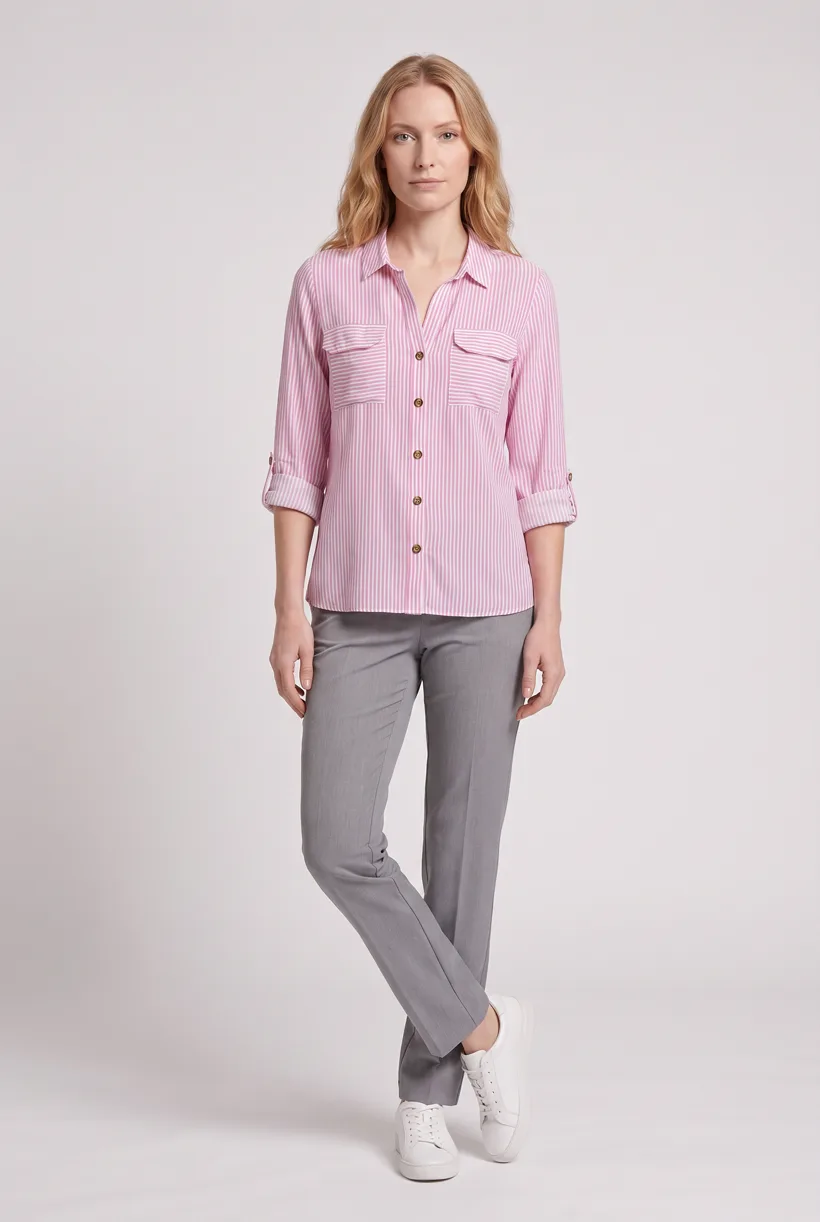
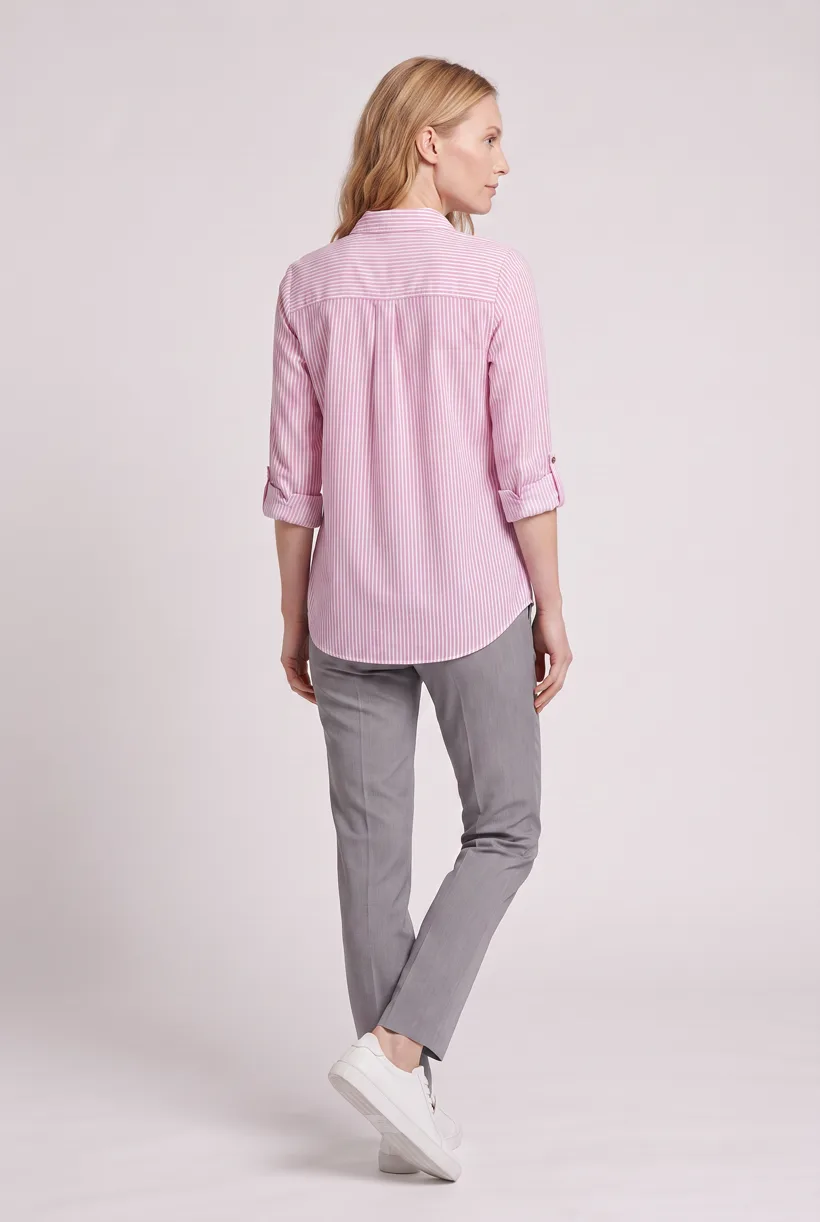
Load Product page set on Pure White with the AI reviewer on. Review the chosen avatar, saved art direction and cost in credits before generation. The template makes front, upper-body and back photos plus a 360 video per garment.[13]
Run it from your assistant
Run this photoshoot from your AI assistant with a Uwear template.
Connect the Uwear MCP server to ChatGPT, Claude, or Codex and ask for the Product page set template. It is a batch workflow that runs once per garment: front, upper-body, and back product-page shots on a white studio background, plus a 360-degree video, from one garment photo. Any Uwear account can load it by name, and the assistant shows a costed brief in credits before generation starts.
Proposed prompt: adapt the supplied identifiers and destination checks to your own systems. A delivery manifest is a workflow request, not a native publishing connector.
Copy this prompt into your assistant
Use the Uwear MCP to prepare Product page set for these finished-garment photos, grouped by style and color. Use the agreed avatar and art direction across the range. Show the costed brief and wait for approval, then use automatic QA with retries. Return image and video URLs with style, color and view labels. Prepare a delivery manifest for our JOOR line sheet and Faire apparel listings, and flag missing source views or export requirements. Treat price, MOQ and size data as supplied business fields, not facts to infer from an image. Use the Pure White studio setup with nano-banana-pro and turn the AI reviewer on. Keep any delivery manifest in our own workflow; do not publish yet.
What one run does, per garment
Generate the front hero
One full-body front photo of the garment on the template model, in the Basic white photoshoot art direction on the Pure White studio location.
Edit to the upper-body crop
A camera edit that reframes the front result to an upper-body front frame instead of generating a new image, so the crop comes from the same session as the hero.
Edit to the back view
A second camera edit of the front result to a full-body back frame, so the product page gets the back of the garment from the same session.
Render the 360 turn
A 5-second Kling 3 Pro video from the front photo: the model turns a slow, full 360 degrees in place, garment readable throughout.
Outputs per garment
- Full-body front photo, 2K, 2:3
- Upper-body front photo, 2K, 2:3
- Full-body back photo, 2K, 2:3
- 5-second 360-degree video
The setup the template pins
- Template kind
- Batch workflow: runs once per garment row
- System key
- demo_full_pdp_test_white_studio
- Art direction
- Basic white photoshoot (system art direction)
- Location
- Pure White (system studio location)
- Model
- The Uwear system model by default; the assistant can swap in one of your saved models when it proposes the brief
- Image model
- nano-banana-pro, 2K, 2:3
- Video model
- Kling 3 Pro, 5 seconds
- QA
- Optional. With the AI reviewer on, each result is checked against the source product photo and flagged results are retried
- Approval
- The assistant shows a costed brief in credits before anything generates
Pure automation
Run it without an assistant
Run asynchronous generation
Use REST jobs with polling or webhook callbacks. Production Automation can instead start from garment-processed, tag-added or outfit-created events, with published versions, idempotent runs and upfront credit reservation.[13]
Feed your line-sheet or portal software
Your importer maps results to supplied style and color records. PDF layout, prices, MOQ and portal publishing stay in the customer workflow.[13]
Tools that target this operator
Documented features from the linked sources. These are not independent quality tests.
Vastram Studio
Targets manufacturers and wholesalers with textile visualization, batches and buyer lookbooks. A fit for design-number and buyer-catalog work; its page says output is not a stitched sample or dye proof.[10]
Browzwear / Lalaland
Uses VStitcher digital garments with generated avatars. A fit for manufacturers with 3D assets; this is not automatic construction from a fabric photo.[12]
Frequently asked questions
Yes. Connect Uwear MCP to a supported assistant, supply actual garment photos, and request a costed Product page set proposal. Approve the brief before generation. Uwear returns result URLs; delivery to your catalog needs your own tools and permissions.[13]
The proposed Uwear job starts from finished-product photos and returns image or video URLs. It does not establish native PDF line sheets, cloth-to-pattern construction, dye proofing or automatic price overlays.[13]
Uwear uses credits at $0.10 per credit; see /models for model rates. The assistant shows a costed brief before generation. QA is automatic and toggleable: when on, an AI reviewer compares results with source photos and retries flagged results.[13]
Yes. Studio is the manual path: select the garment photos and generation setup, then download the results. Your team checks destination rules and uploads the files with its own catalog tools.[13]
Research
Sources and access dates
- [2]June 2025 brand and distribution-center scale
Accessed 2026-09-07
- [3]Historical thousands-of-styles assortment statement
Accessed 2026-09-07
- [4]Supplier images, data, swatches, dealer websites and Virtual Designer
Accessed 2026-09-07
- [5]One garment style with 86 colors
Accessed 2026-09-07
- [7]Line-sheet image naming, JPEG/PNG and folder-link import
Accessed 2026-09-07
- [8]Square minimum, apparel dimensions and format requirements
Accessed 2026-09-07
- [9]Conflicting 600-pixel minimum and product photography guidance
Accessed 2026-09-07
- [10]
- [12]3D garment workflow and contact pricing
Accessed 2026-09-07
- [13]
Next step
Connect your catalog to Uwear.
Start with an assistant-led test, then build the API delivery your catalog needs.