AI Fashion: The Next Chapter in
How We See Clothes
For four centuries, every major technology leap has transformed how fashion reaches people. AI is the latest, and it's the biggest since the camera. Here's the story of how we got here, and where it's going.
Fashion Has Always Been a Visual Story
Long before cameras or screens existed, fashion needed a way to travel. In the 1600s, European courts shipped life-size dressed dolls called Pandora dolls across borders so women could study the latest Parisian silhouettes. These miniature mannequins were considered so culturally important that warring nations granted them diplomatic immunity, letting them pass through blockades untouched. Rose Bertin, Marie Antoinette's personal stylist, kept a life-size Pandora modeled after the queen in her Paris shop window, inventing the concept of the celebrity fashion icon.
By the 1700s, the logistics of shipping fragile dolls gave way to fashion plates: copper-engraved illustrations printed in journals like Mercure Galant, then hand-colored with watercolors before distribution. For the first time, fashion visuals could be mass-produced. A hidden workforce of commercial printmakers and illustrators, including the Colin sisters (Heloise Leloir, Anais Toudouze, Laure Noel), created the visual language that middle-class women across Europe and the Americas used to dictate their seasonal wardrobes. Fashion imagery had its first content creators.
Photography arrived in the early 1900s but didn't replace illustration overnight. Early cameras were too rigid and "too realistic" for the aspirational world fashion demanded. It took Edward Steichen's soft-focus portraits of Paul Poiret's designs in 1911 to prove photography could sell desire, not just document fabric. Then in 1933, Martin Munkacsi shattered the static studio pose entirely: he shot model Lucile Brokaw running down a beach with a portable Leica, capturing spontaneity and joy in fashion for the first time. Richard Avedon later credited Munkacsi with bringing "a taste for happiness and honesty" to what had been "a joyless, lying art."
The digital era compressed everything. Instagram put a content creation tool in every pocket. Trend cycles that once took seasons now lasted weeks. And then generative AI arrived, not as a replacement for any of these chapters, but as the next one. Every leap, from dolls to plates to cameras to social media, democratized fashion visuals further. AI is doing it again, at a scale and speed the industry has never seen.
The AI Moment: Why 2023 Changed Everything
AI image generation existed before 2023, but it couldn't reliably generate humans. Six fingers, distorted faces, and impossible body proportions were the norm. Fashion was one of the hardest categories: fabric textures, draping physics, pattern consistency, and body proportions all had to be right simultaneously.
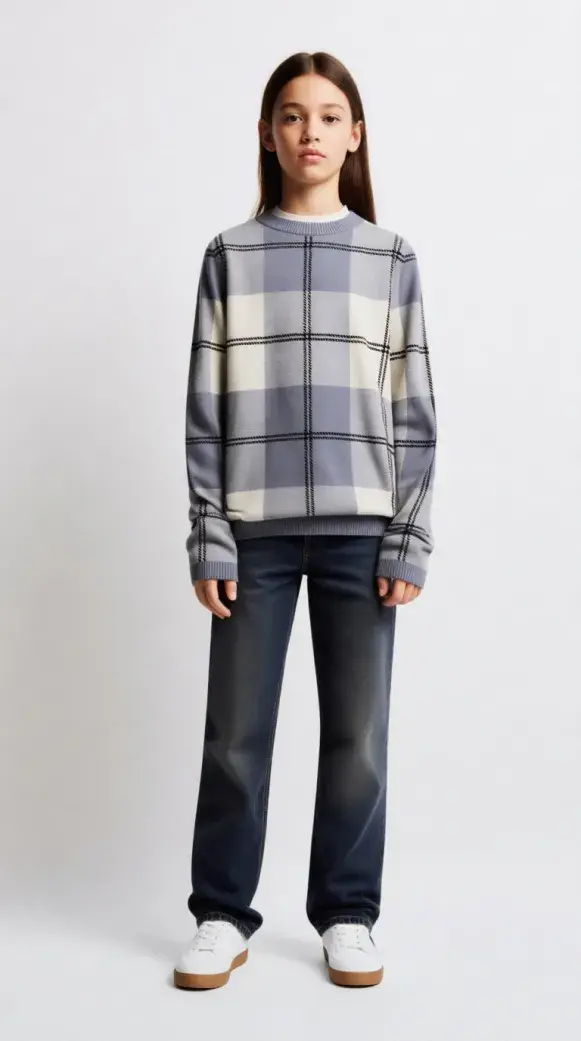
Early AI output: visible artifacts, unrealistic proportions
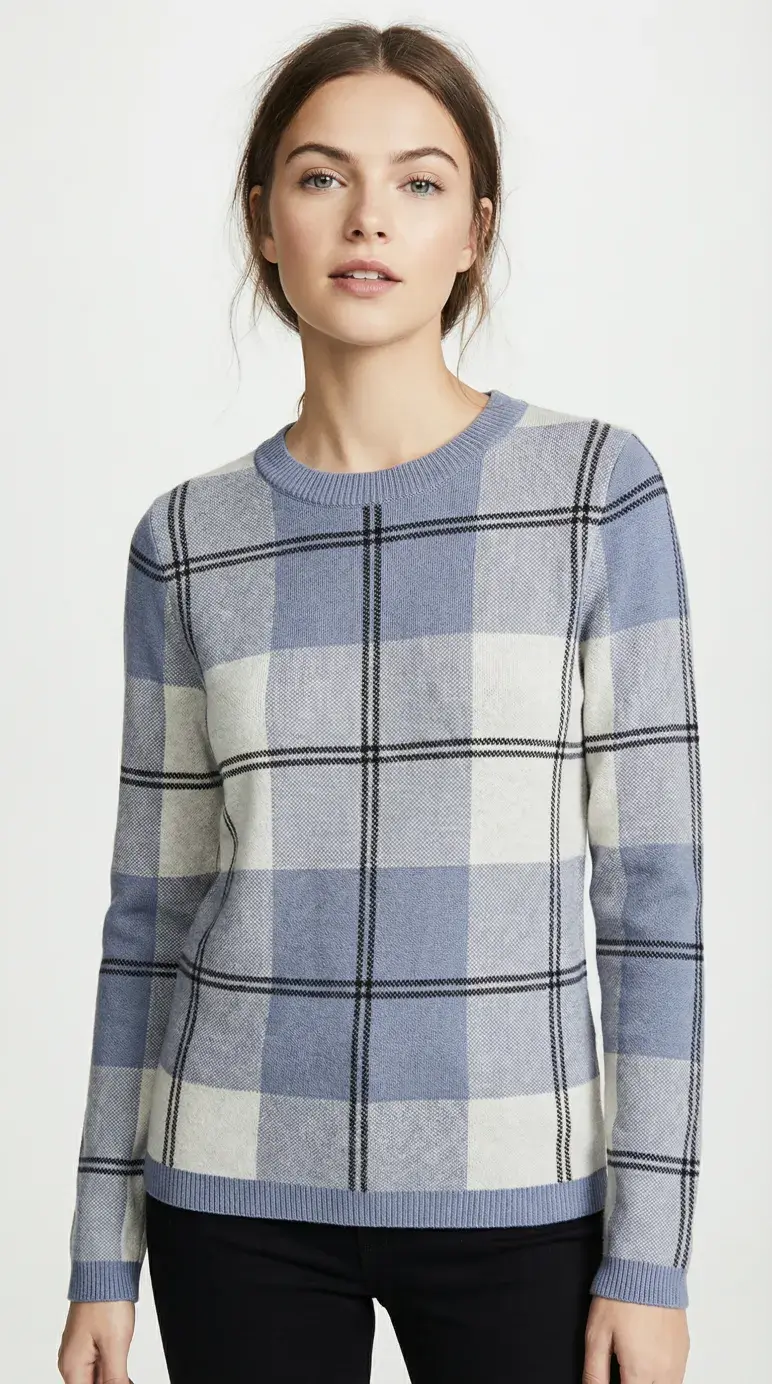
Current Uwear output: photorealistic, accurate fabric and fit
Most early tools locked you into a single AI model. If that model couldn't handle your garment type, you were stuck. Solving fashion-grade generation required purpose-built models trained specifically on clothing physics, not generic image generators repurposed for fashion.
Uwear's Journey: From Training Our Own Models to Orchestrating the Best
Building AI for fashion wasn't a single breakthrough. It was three years of compounding progress, each stage shaped by what the technology could (and couldn't) do at the time.
We Built Drape Because Nothing Else Worked
When Uwear started in 2023, no existing AI model could reliably generate fashion photos. Generic image generators produced uncanny results: warped patterns, floating buttons, fabric that looked painted on rather than draped.
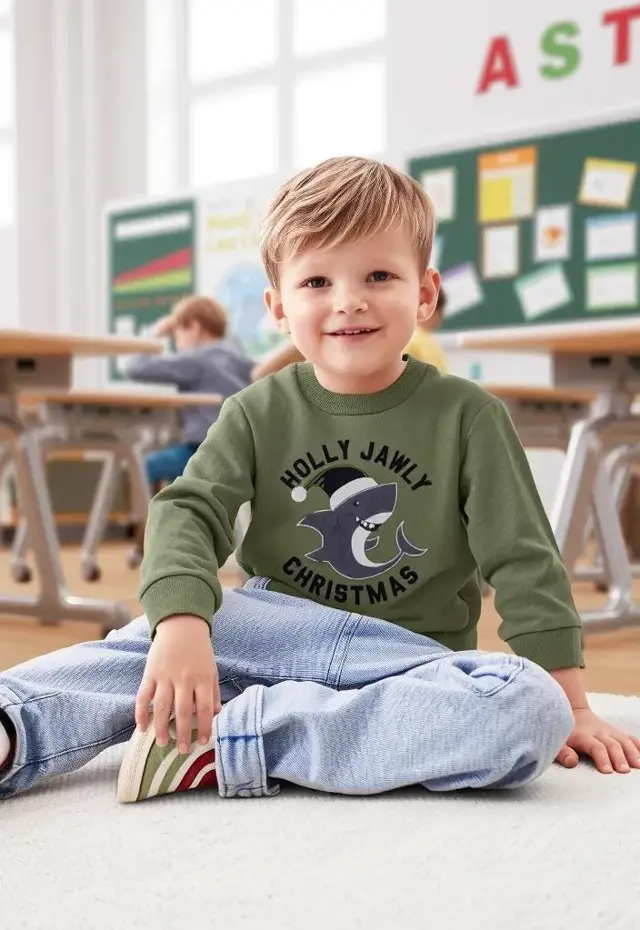
So we trained our own. Drape, an SDXL-based adapter purpose-built for flat-lay to on-model generation, achieved 95% fabric accuracy with pattern preservation and 3-second generation times. It was the first model built from the ground up for fashion photography.
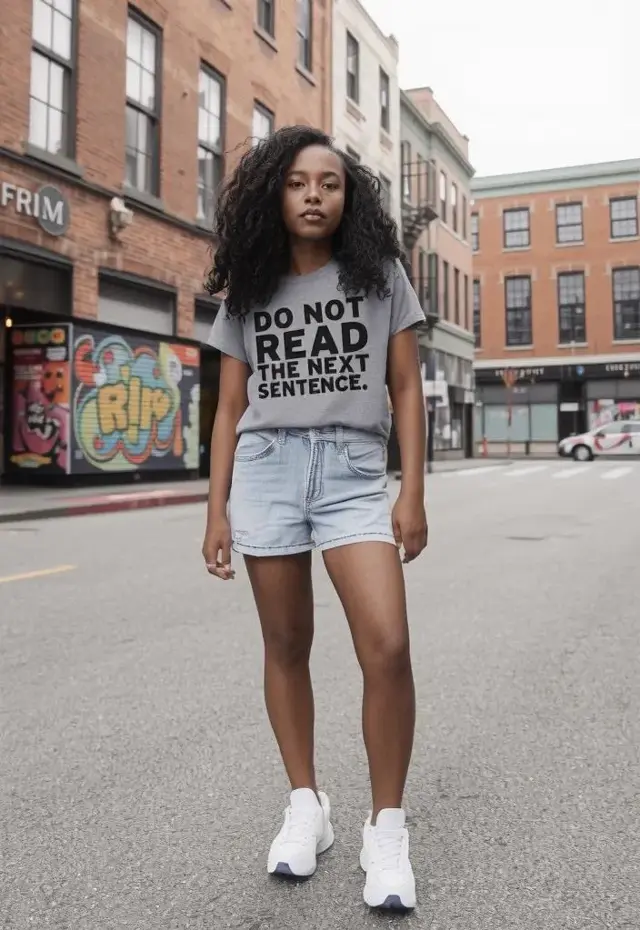
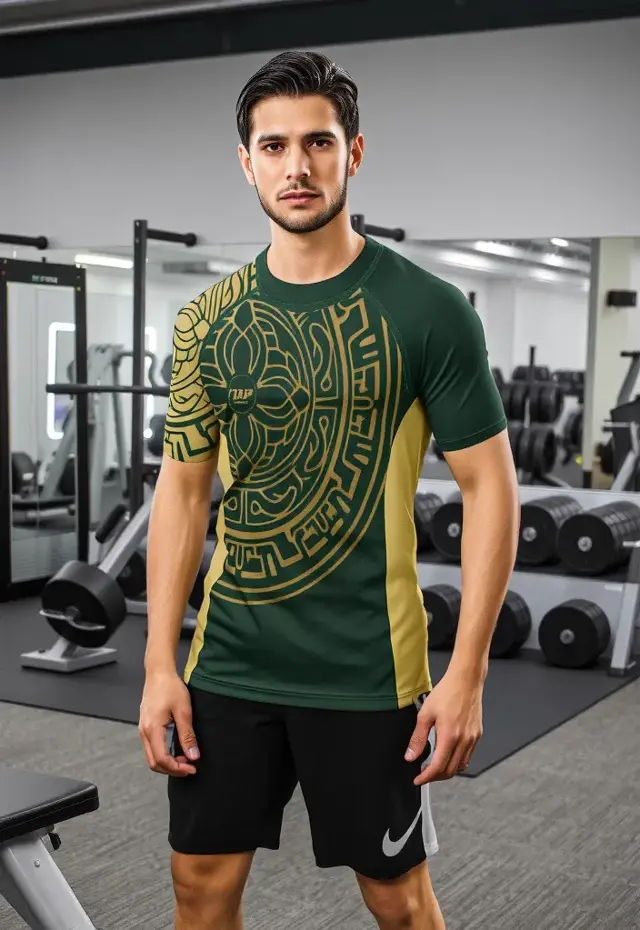
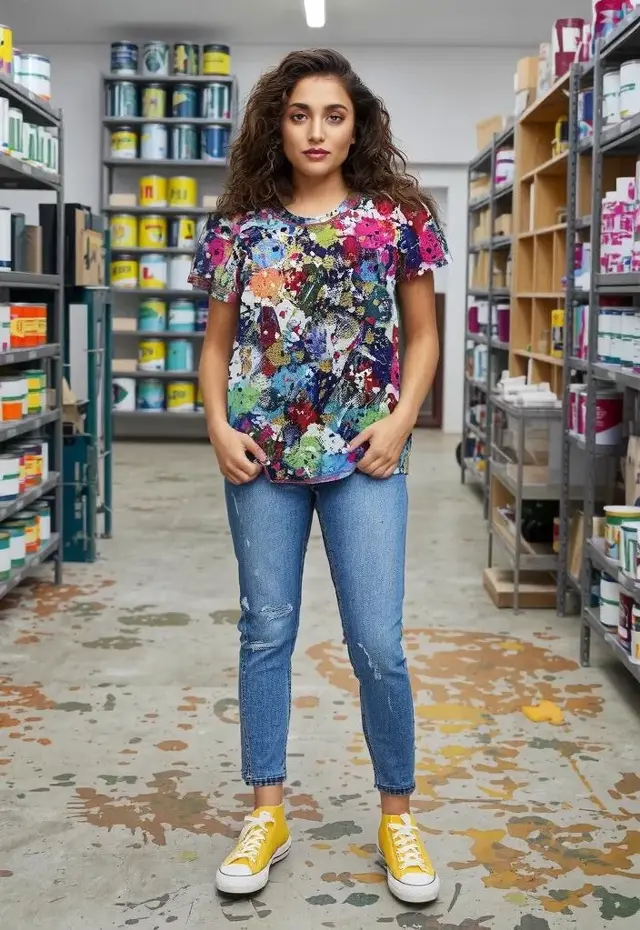
Drape 2 Pushed Diversity and Fidelity Further
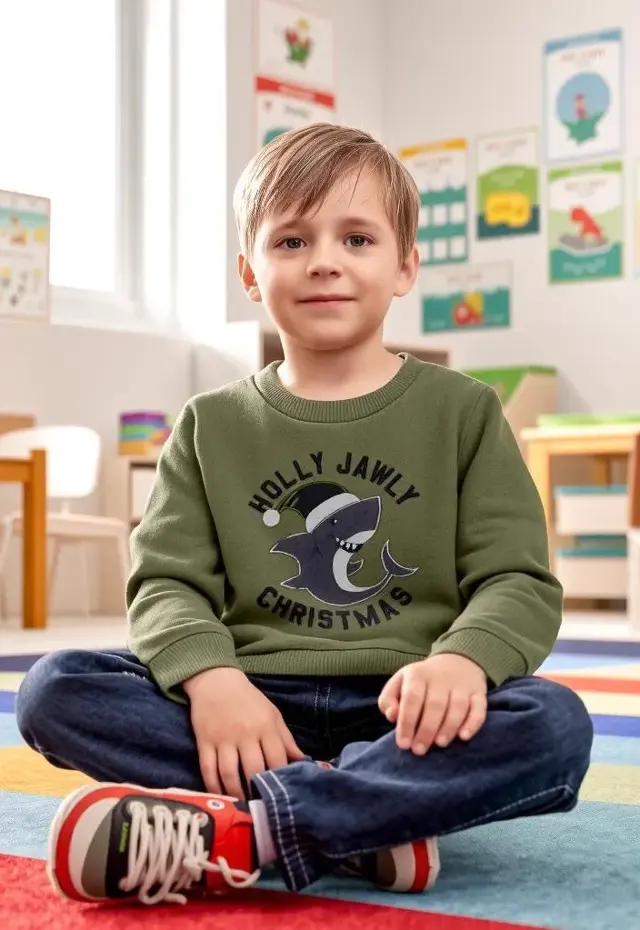
Built on FLUX Schnell architecture, Drape 2 delivered better human diversity, improved clothing fidelity, and multi-clothing support. It could generate models of varying ages, body types, and ethnicities while maintaining fabric accuracy across complex multi-item outfits.
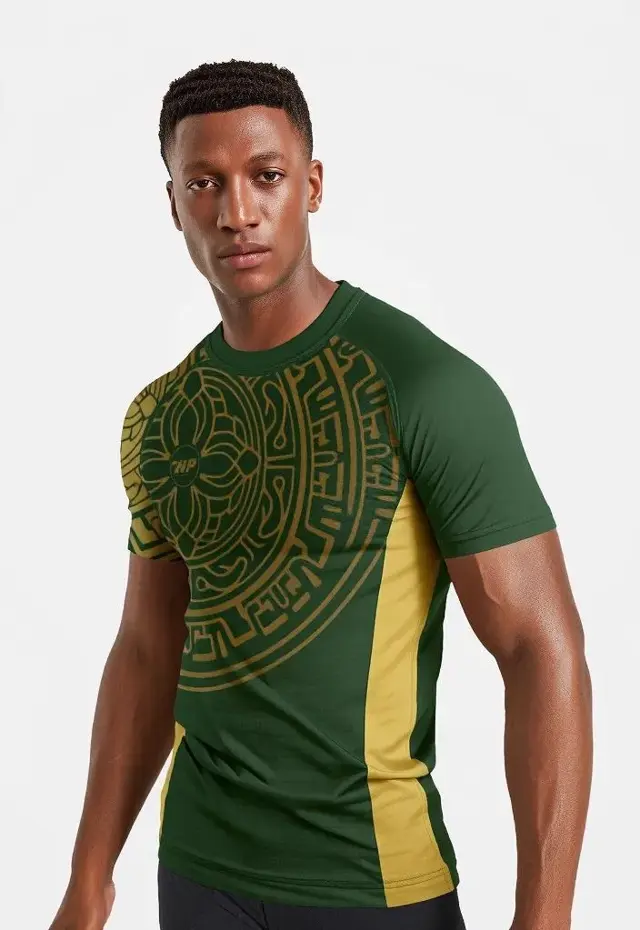
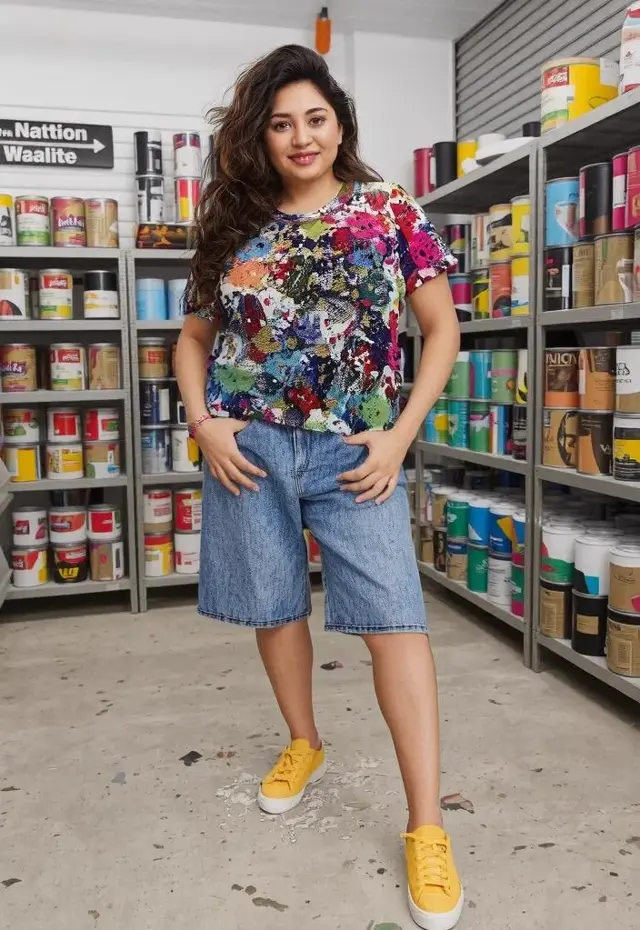
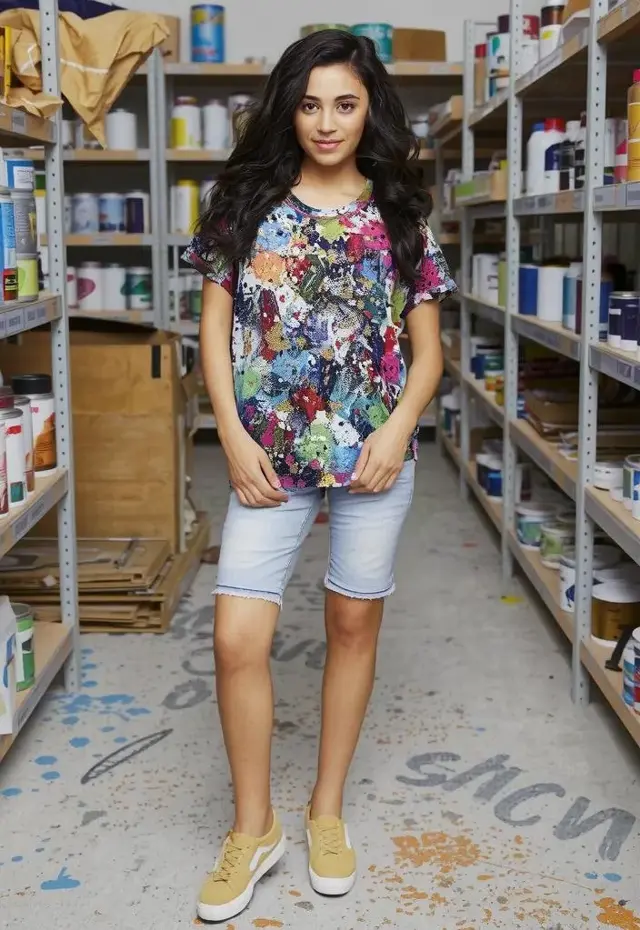
The Big Models Arrived, So We Became the Orchestrator
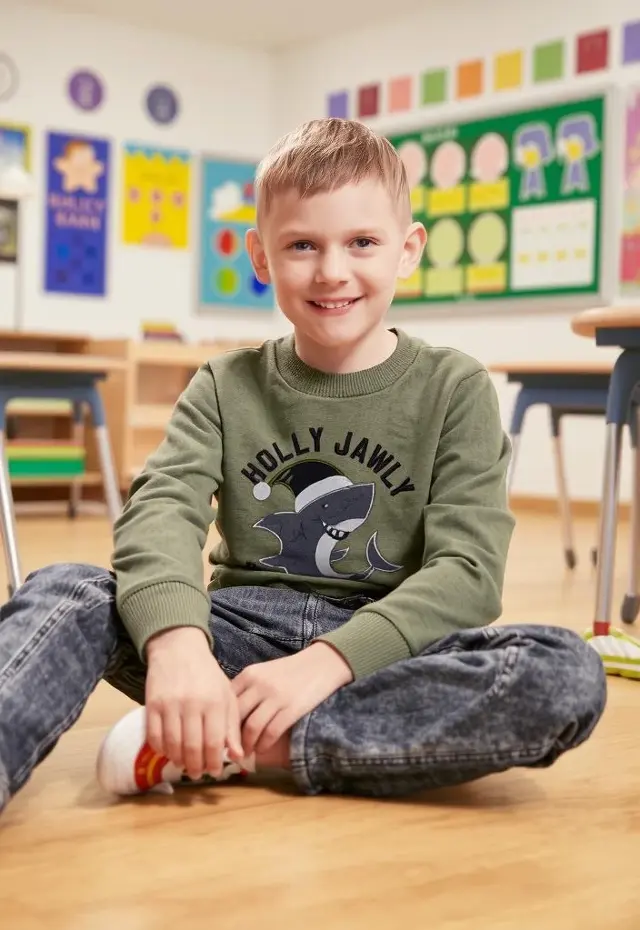
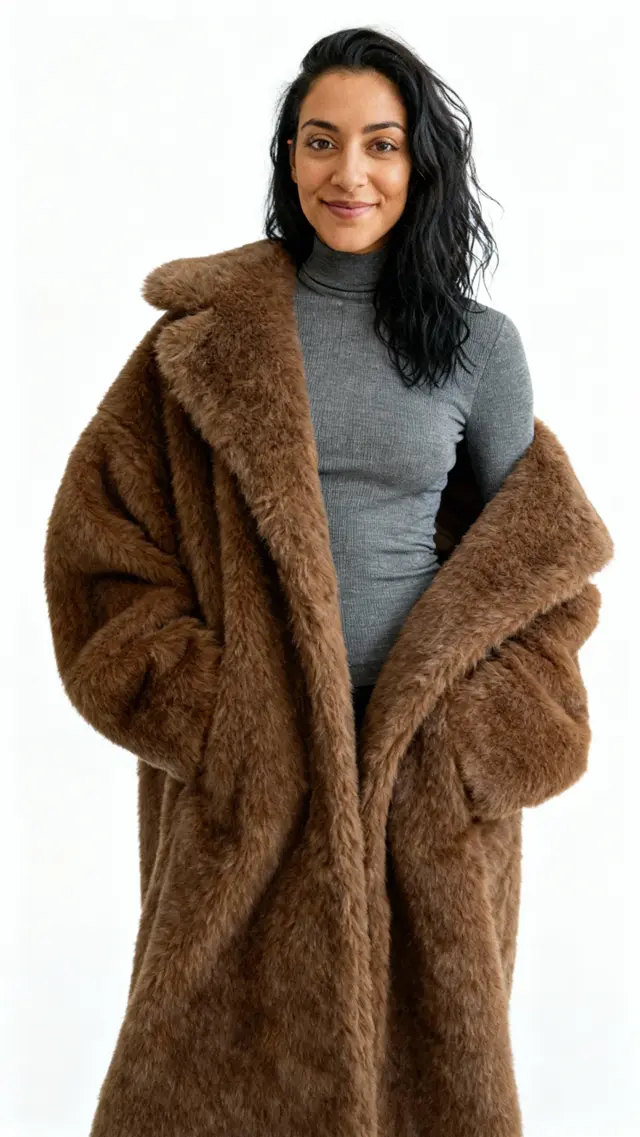
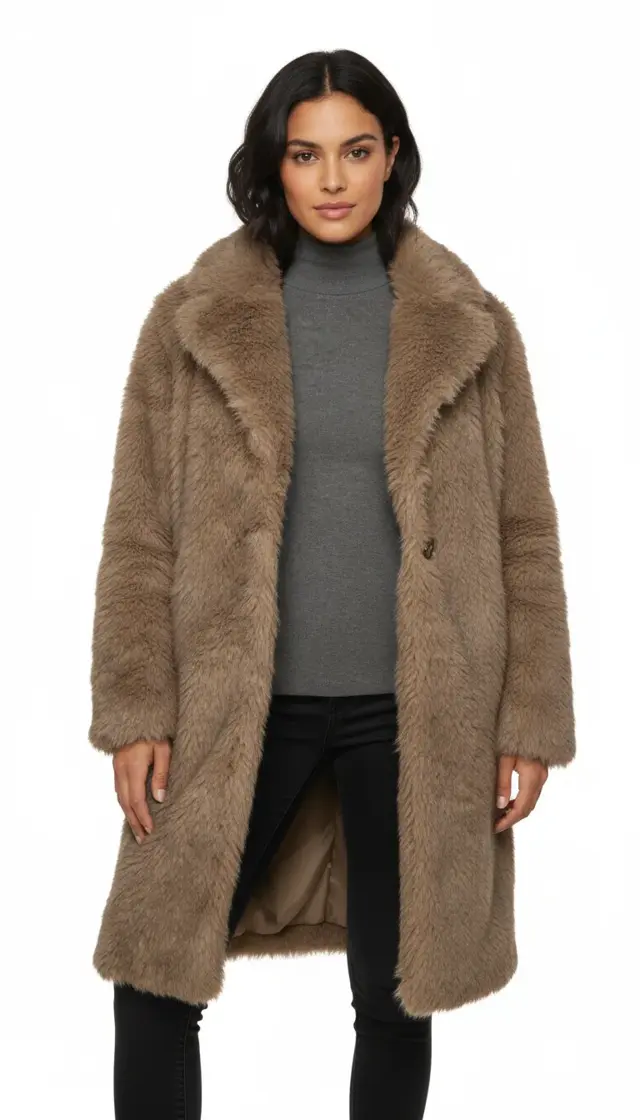
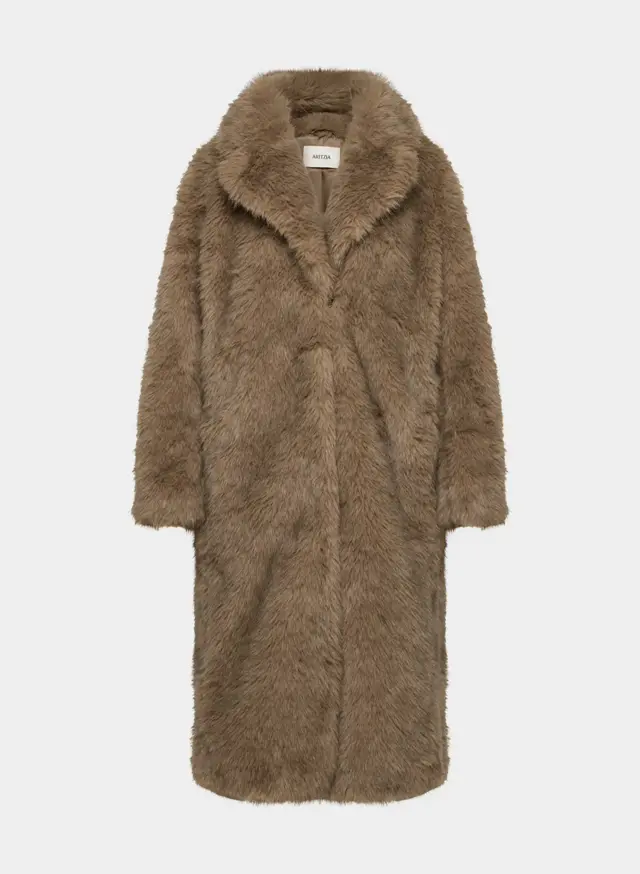
In 2025 and 2026, the landscape shifted. Google released Nanobana Pro. ByteDance released SeedDream 4.5. OpenAI shipped GPT Image. These models are incredible, but each has strengths and blind spots. Gemini refuses lingerie. SeedDream excels at avatar consistency. Nanobana leads on photorealism. No single model handles every garment category equally well.
Uwear's differentiator became clear: give brands access to all of them in one platform, so they can pick the right model for each garment category. Instead of betting on a single model, Uwear orchestrates the best, routing each generation to the model that handles it best.
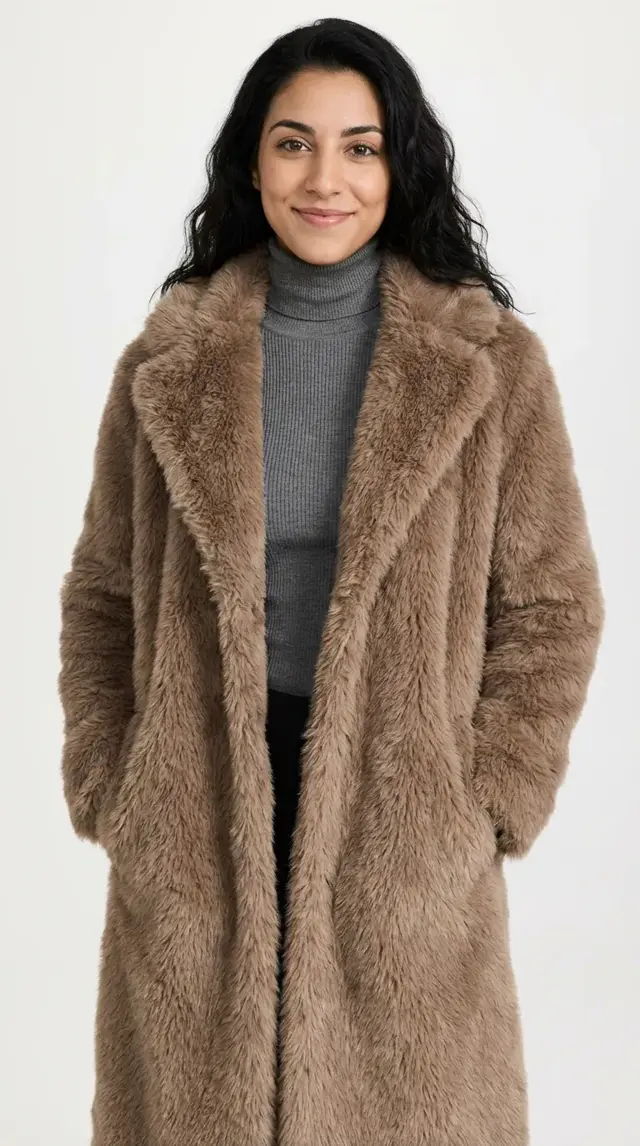
Nanobana Pro
SeedDream 4.5
Nanobana
Drape
The Platform: AI Photoshoots at Scale
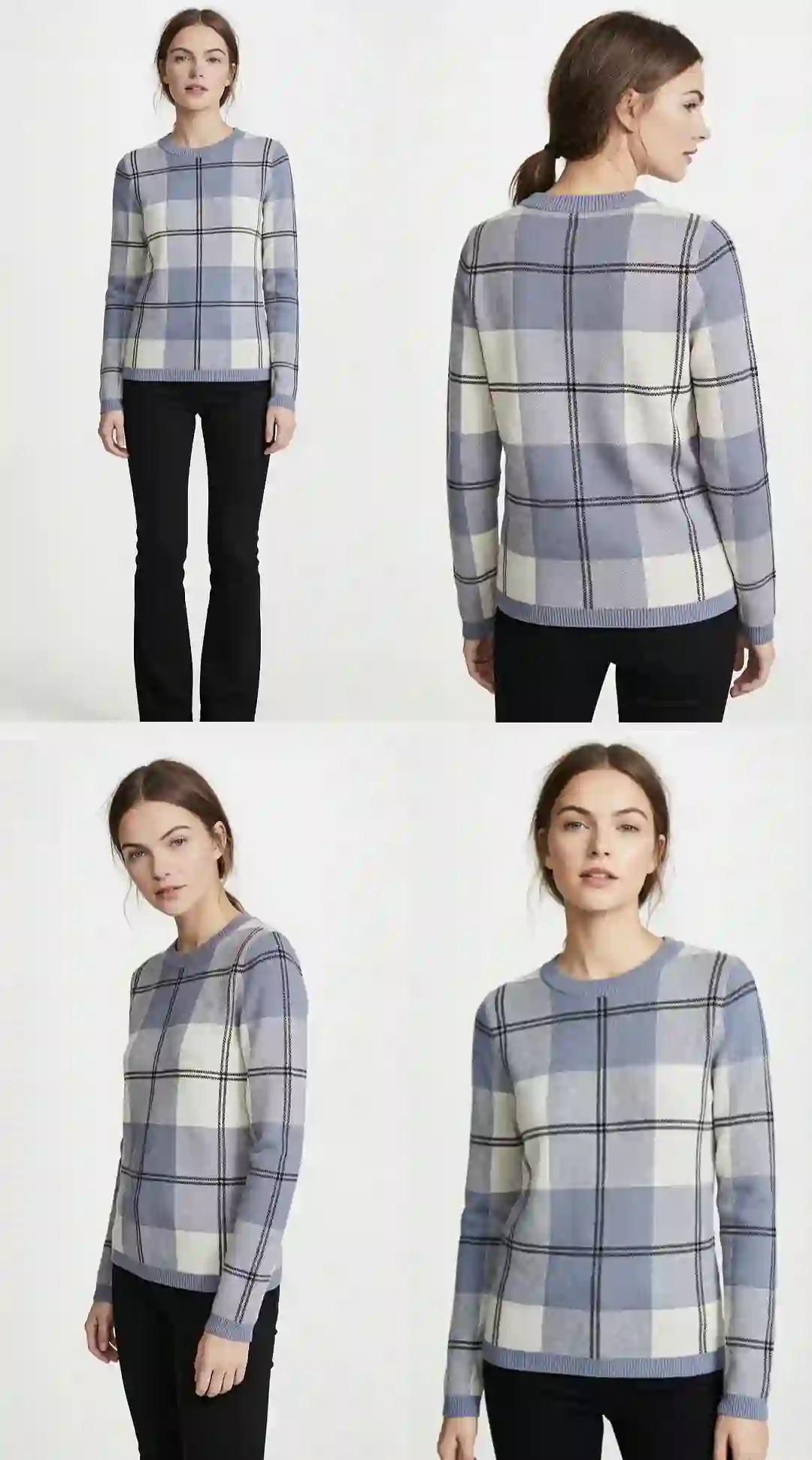
Upload flat-lays, get on-model photos in under a minute. Multiple angles, close-ups, 360 video from one generation. Batch process up to 10,000 items. Consistent model identity across your entire catalog.
From flat-lay to on-model
Any Input, Studio-Quality Output
Upload a flat-lay, mannequin shot, or even a wrinkled raw photo. Uwear's AI cleans the input, identifies the garment, and generates a photorealistic on-model image. The entire pipeline runs in under a minute.
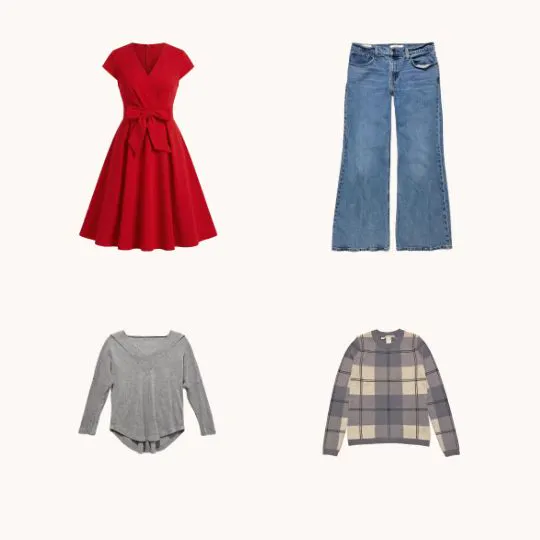
Photos, angles, and video
A Complete Product Listing from One Photo
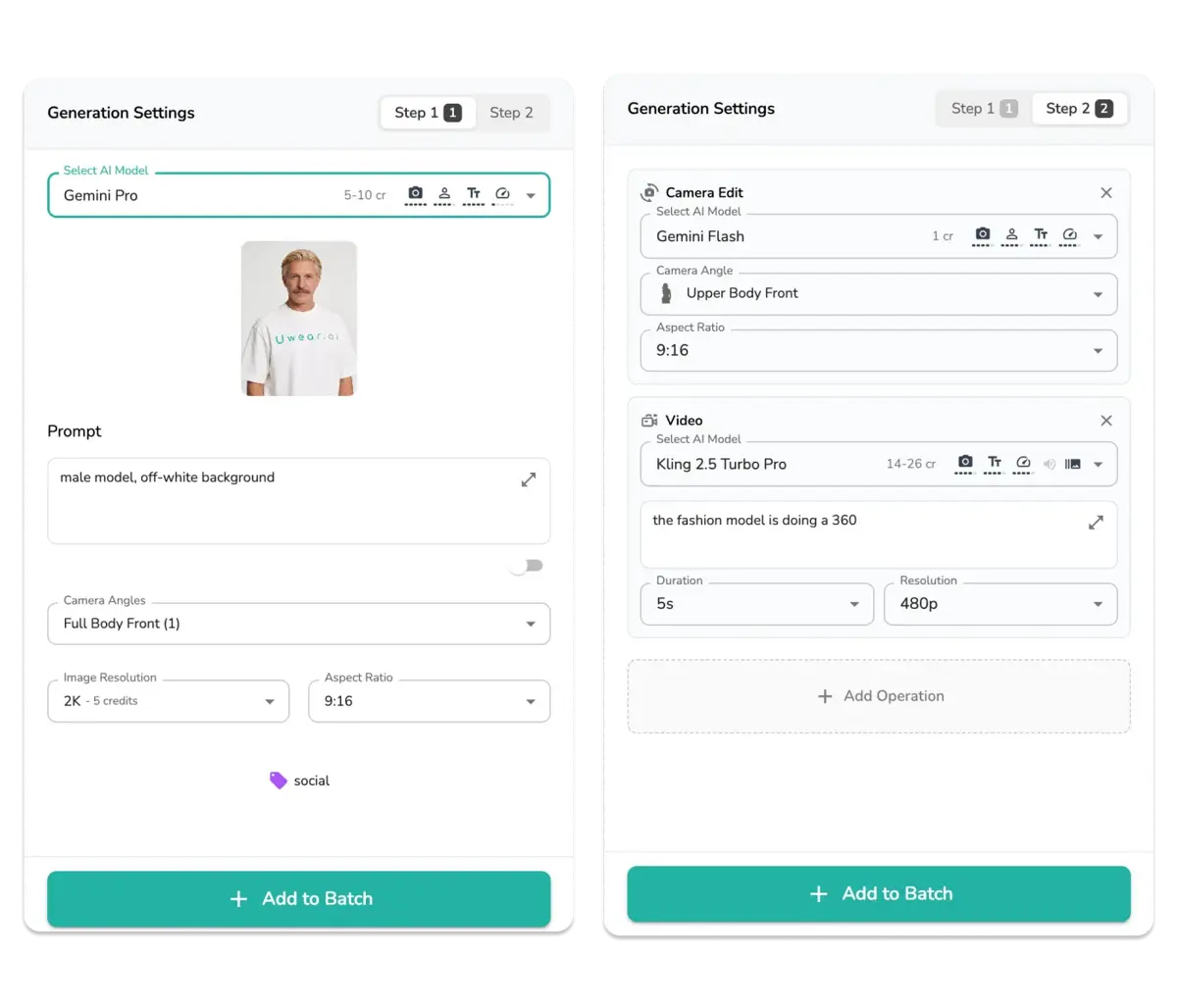
From a single flat-lay, generate front-facing model photos, multiple camera angles, close-up detail shots, and a 360-degree product video. Everything a modern product listing needs, created in one session.
Batch Generation at Scale
Upload your catalog via CSV. Set your preferences once. Generate up to 10,000 on-model photos in a single run. One brand replaced a 3-week photoshoot cycle with an overnight batch job.
Learn about batch generation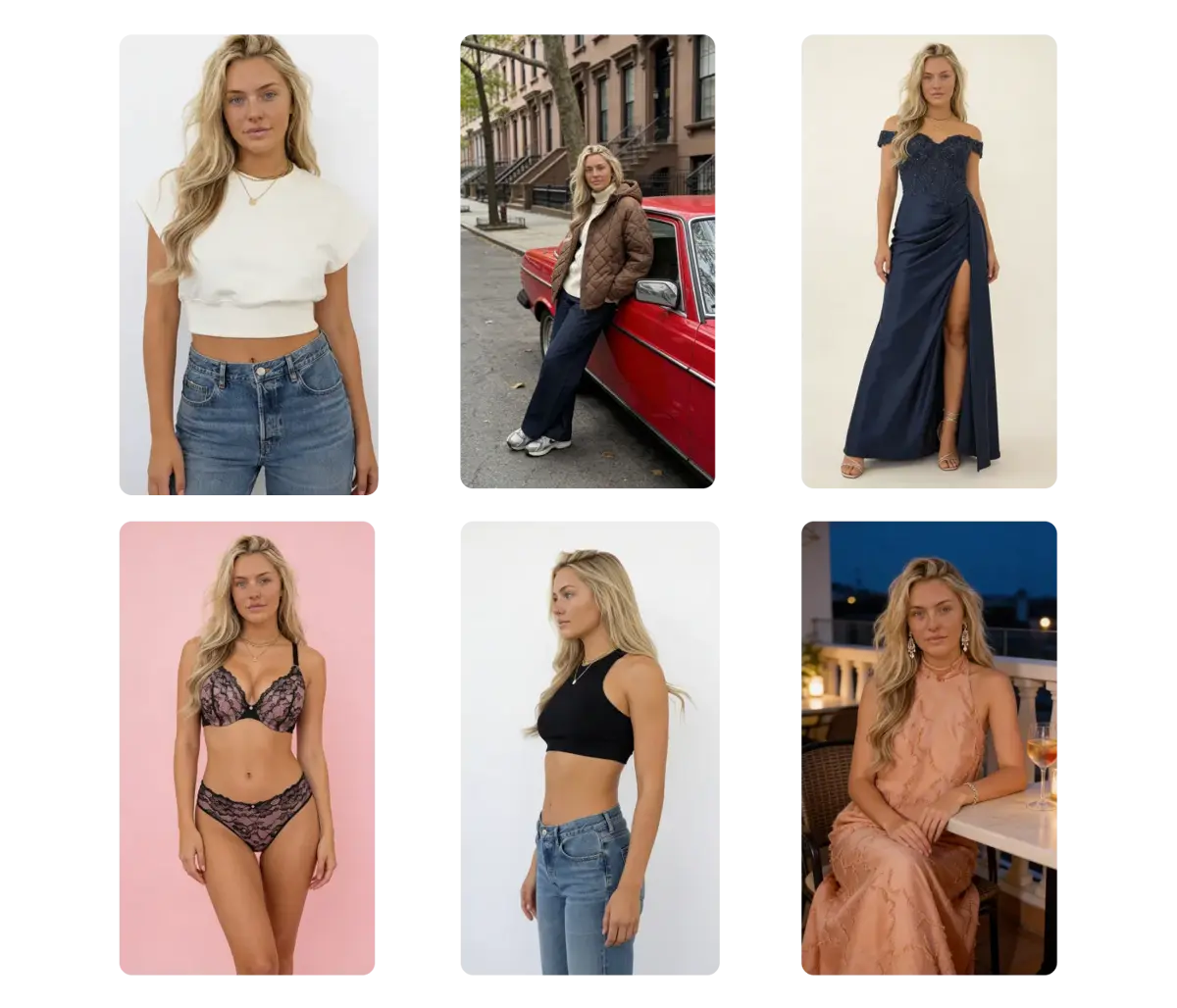
Consistent Model Identity
Lock in an AI model and reuse them across your entire product line. Every page features the same model, creating a cohesive, branded catalog without coordinating a real shoot.
Learn about consistent modelsSee It for Yourself
Upload your first garment and get a studio-quality result in under a minute. Add credits when you are ready to generate.
Start Your AI PhotoshootThe Vision: Virtual Try-On
AI-generated product photos are the beginning. The ultimate goal is personalized fashion visuals generated live as shoppers browse, showing them wearing the product.
That's what Uwear's Virtual Try-On does today. Shoppers upload a photo and see themselves in your products before purchasing. The widget installs on Shopify in minutes, with no coding required. Brands using it report conversion increases of 30 to 90 percent and significantly lower return rates, because shoppers who see themselves in a garment buy with more confidence and keep what they order.
Today, shoppers click a button to try on (the best models still take 10+ seconds to generate). But the direction is clear: real-time, personalized fashion visuals for every shopper on every product page. That's where AI fashion is heading, and Uwear is building toward it.
Frequently Asked Questions
Questions about AI fashion photography, Uwear's platform, and where the technology is heading. Book a demo for a personalized walkthrough.
What does Uwear actually do?
How is AI fashion photography different from a real photoshoot?
Why does Uwear offer multiple AI models instead of just one?
How do I start with Uwear?
What is Virtual Try-On and how does it work?
What types of clothing work best with AI generation?
Be Part of What's Next
Fashion visuals have been evolving for centuries. AI is the next chapter, and it's happening now. Join the brands already using Uwear to create the future of fashion photography.