Outcome: Returns Reduction
Reduce returns with imagery shoppers can trust.
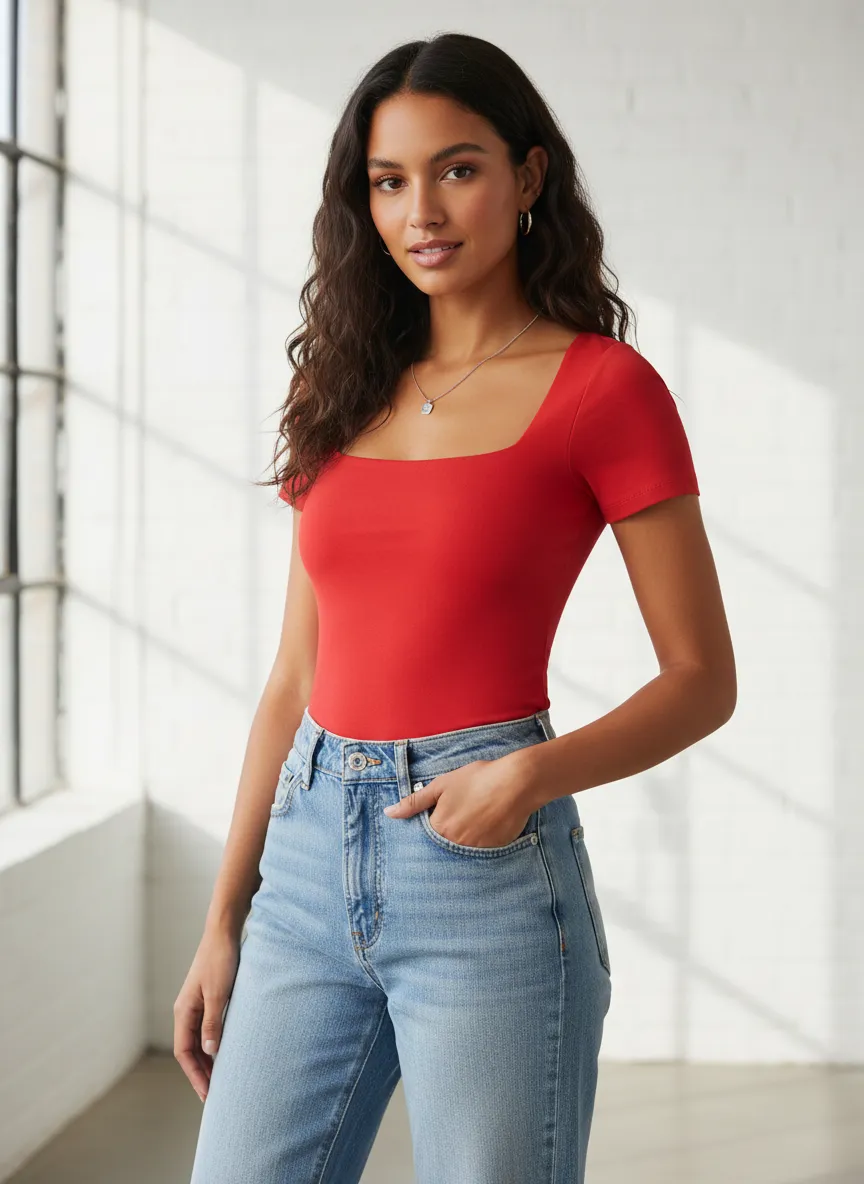
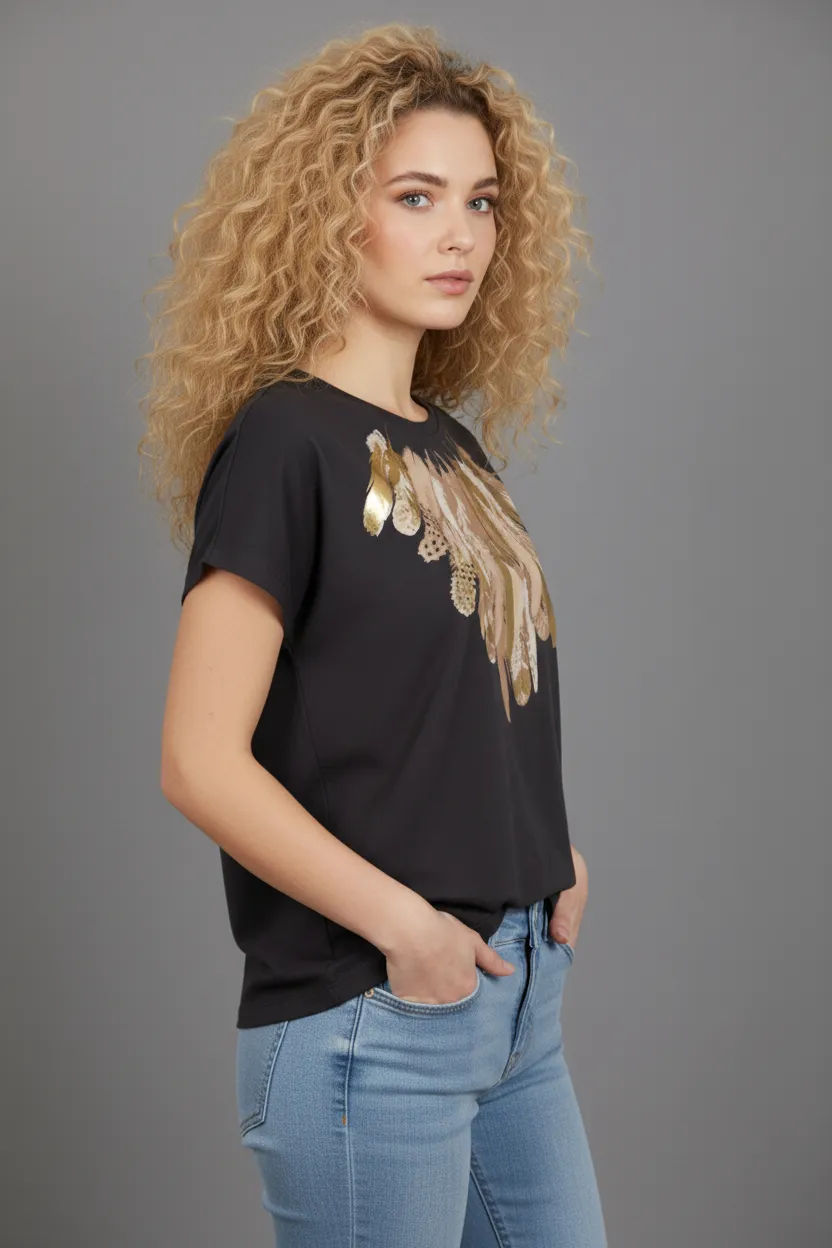
Most apparel returns come from a gap between the photo and the product. Uwear produces consistent on-model visuals, enables virtual try-on, and routes every output through QA before it reaches the storefront.
Industry context
Returns track visual confidence.
Online apparel return rates have climbed in recent years and now sit well above in-store rates. The largest share of those returns is tied to fit and style mismatch, which consistent on-model imagery and try-on can help reduce.
- Online apparel return rate
- 20%+
- Fit and style share of returns
- 50 to 70%
- Try-on engaged return reduction
- Modeled 15 to 35%
Reported online return rates for apparel in recent retail research, compared with single digits in store.
Share of apparel returns attributed to fit, with the remainder tied to style and appearance mismatch.
Range referenced in vendor case studies for shoppers who engage with virtual try-on before purchase.
Return benchmarks are industry context, not Uwear guarantees. Modeled impact varies by category, sizing accuracy, and how shoppers use the try-on experience.
Mechanism
Set expectations, then let shoppers verify.
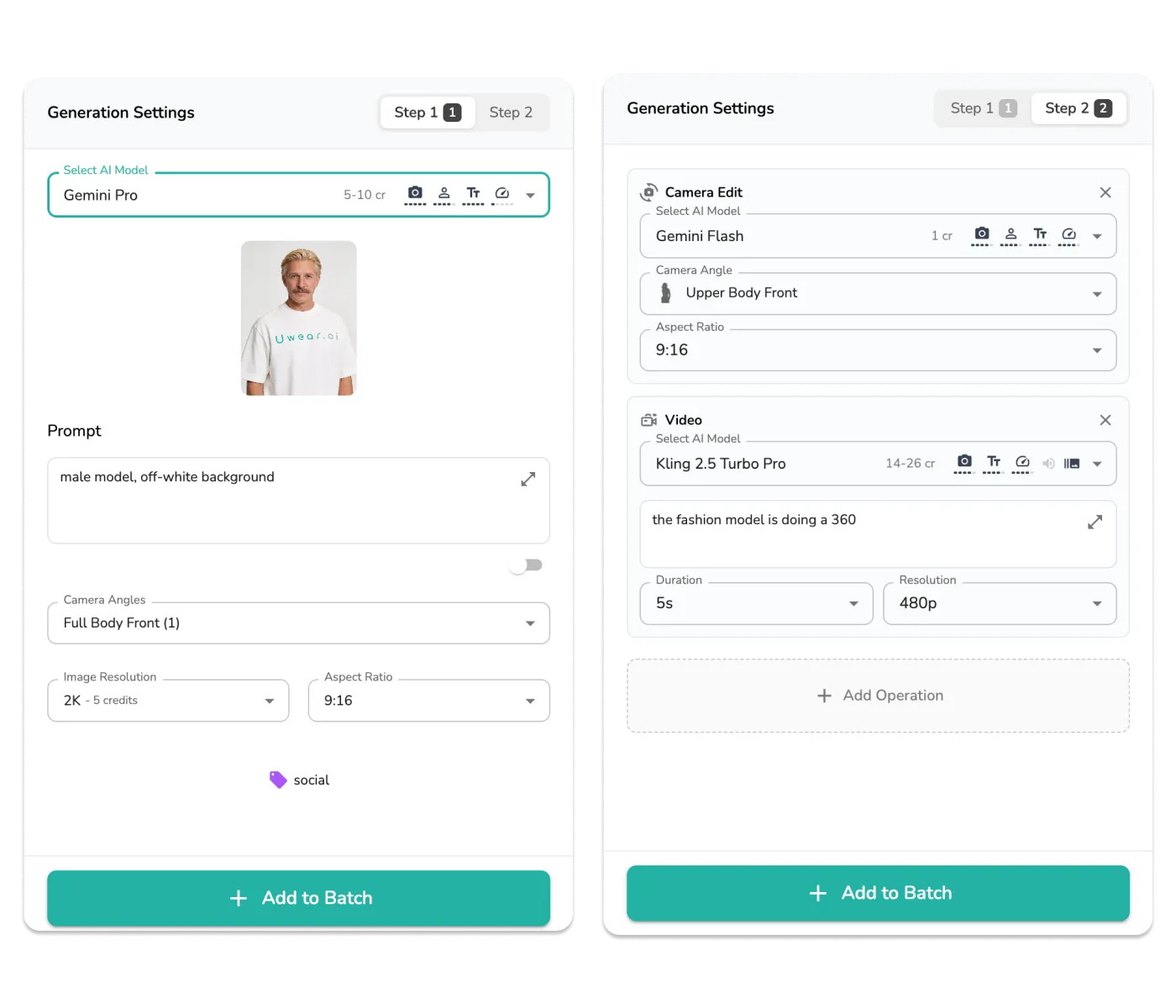
Uwear generates on-model visuals that match the actual product, with art direction locked once and reused across the catalog. The same engine feeds virtual try-on, so shoppers can confirm fit and styling against their own body before they buy.
- Replace supplier photos that drift from the real product with visuals produced from the actual garment inputs.
- Generate multiple views and model diversity so shoppers see how the garment sits on a range of bodies.
- Feed the visuals into virtual try-on for shopper-led verification before checkout.
- Route every generated visual through QA, retries, and approvals so only accurate imagery reaches the PDP.
Use cases
Where visual production reduces returns.
Returns reduction is one application of the same engine. Teams can combine these modes across the catalog and the shopper journey.
- 01Read about try-on
Virtual try-on for shoppers
Let shoppers see a garment on themselves before purchase, which can reduce fit and style mismatch returns.
- 02See catalog visuals
Catalog consistency at scale
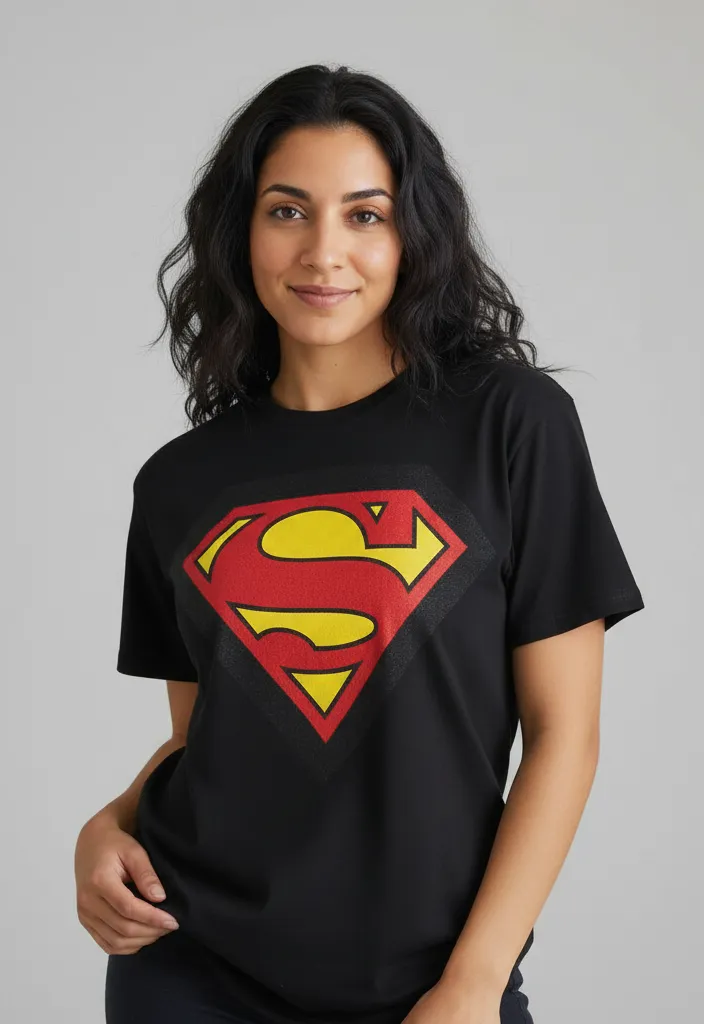
Replace inconsistent legacy and supplier photography with one accurate on-brand look across the catalog.
- 03Explore MCP automation
Outfit and view generation
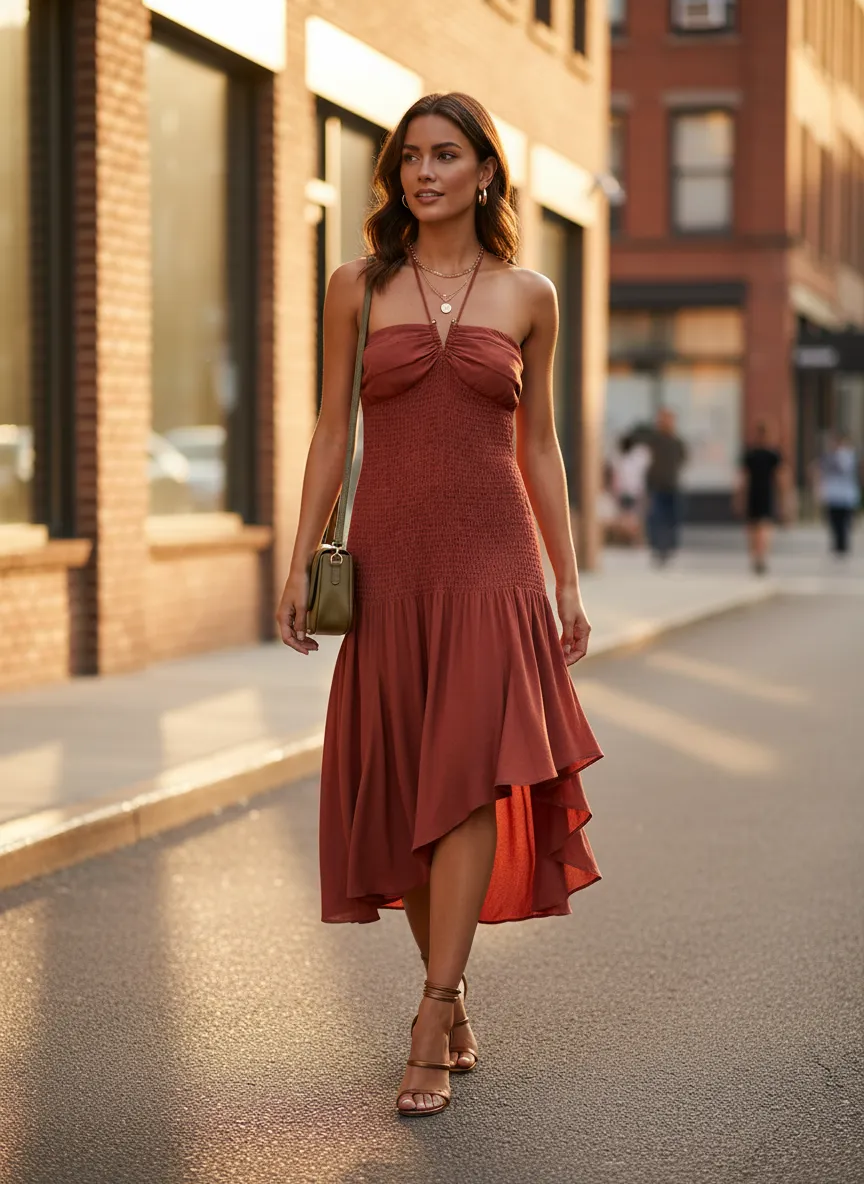
Produce alternate views and model diversity so shoppers can judge drape, length, and proportion before buying.
- 04Read the batch feature
QA and approvals before publish
Review, retry, and approve generated visuals so inaccurate imagery never reaches the storefront.
Operating playbook
How returns teams can use this.
A practical sequence for moving visual production from experiment to a measured returns lever.
- 01
Map returns to imagery gaps
Identify products and categories where returns cluster around fit, color, or appearance mismatch versus the published photo.
- 02
Lock accurate art direction
Define model, lighting, crop, and styling that reflect the real garment, then reuse it across batches.
- 03
Generate, review, and replace
Produce on-model visuals, route them through QA, and replace the imagery most associated with returns.
- 04
Add try-on and measure
Where it fits, layer in virtual try-on, then track returns on try-on engaged orders versus control.
Next step
Map your first returns workflow.
Start with a demo. Then decide between studio, API, MCP, or a custom path that fits your returns and merchandising team.