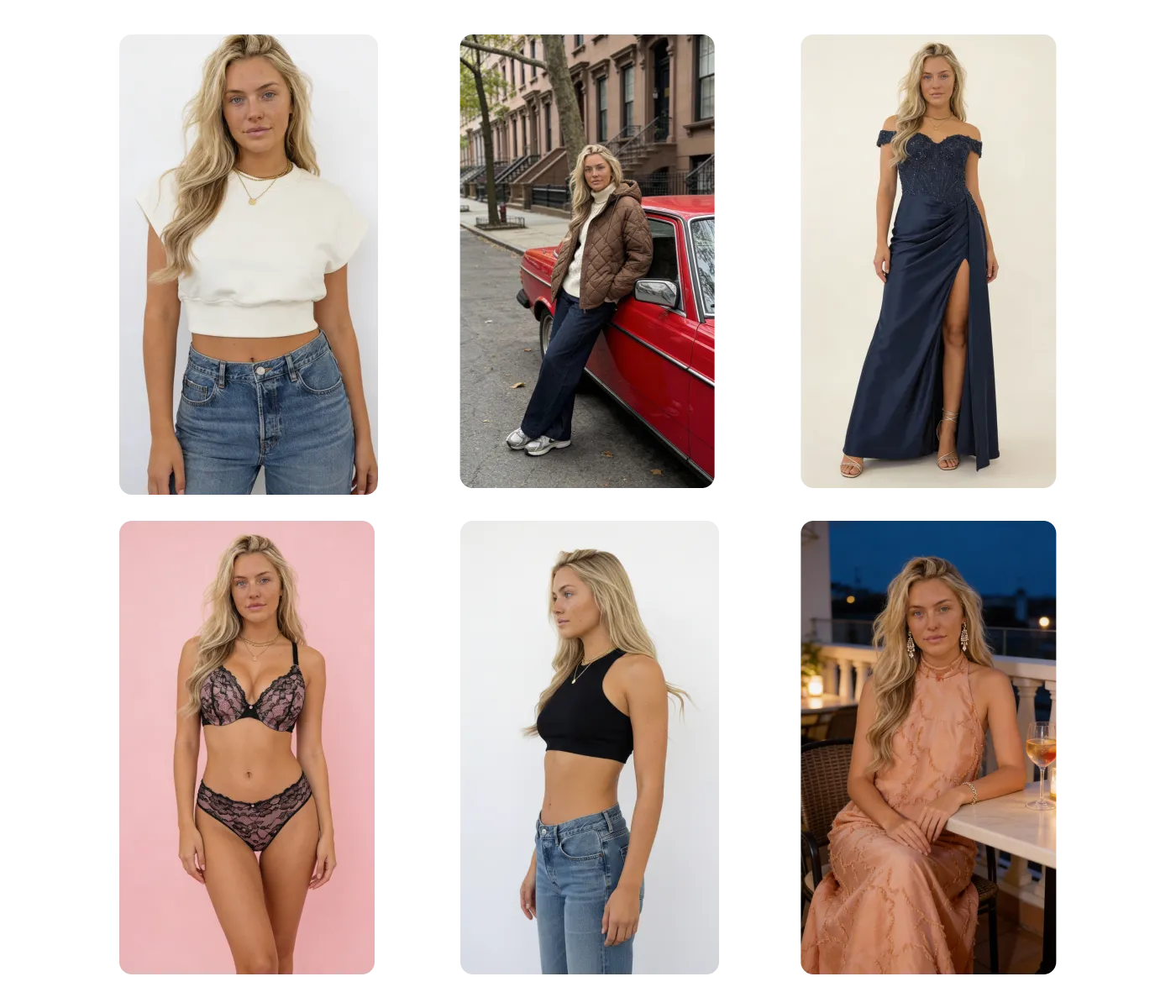
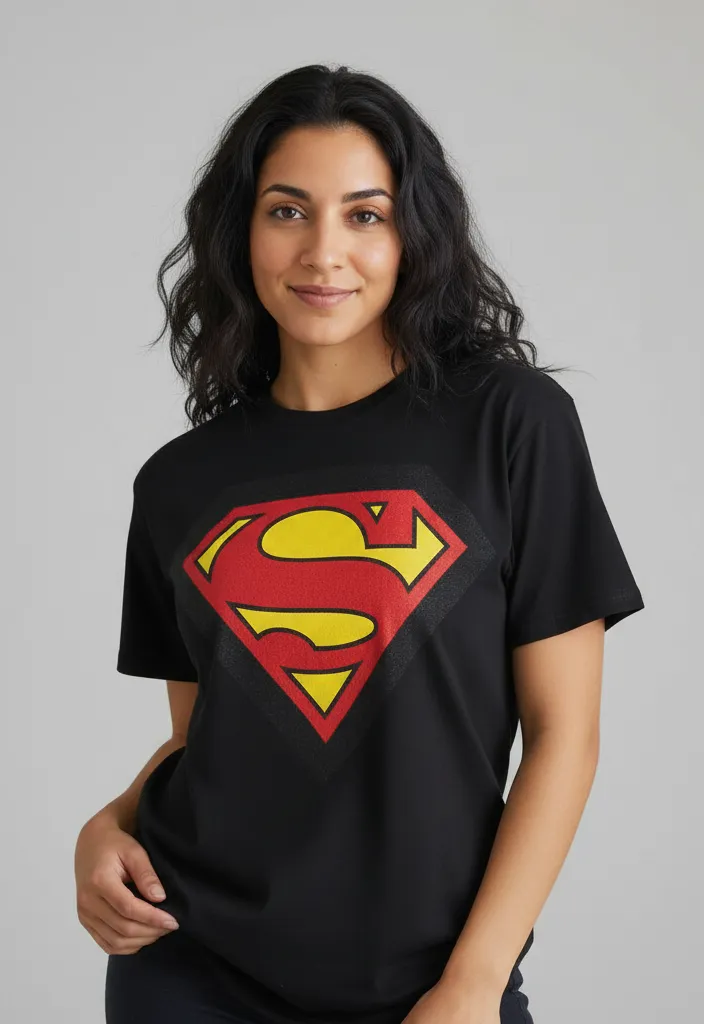
The Data E-Commerce Never Had

Physical retail has always had fitting room intelligence—what people try but don't buy. E-commerce has never had access to this data. Until now.

Executive Summary

Zara's legendary 10-15 day design cycle isn't just about fast production—it's about fast intelligence. By tracking what enters fitting rooms versus what gets purchased, Zara knows what customers want before competitors even see the demand signal.

This "tried but didn't buy" data has only been available from physical stores. Virtual try-on changes that—creating Try-On Data, a new category of leading indicators that reveals customer intent before purchase.

17%

Sales lift from Zara's RFID fitting room tracking

28%

Items tried on but not purchased (avg.)

10-15 days

Zara design cycle vs. 150-day industry avg.

Calculate Your ROI

Beyond the data insights, virtual try-on directly impacts your core metrics. Enter your current numbers to see the projected impact.

Projected Impact with Uwear

Monthly Revenue Lift

$75K

+75% growth

Returns Avoided

$3K/mo

88 fewer returns

Annual Net Impact

$848K

Total benefit per year

Projected Metrics

Conversion Rate:2.0% → 2.8%
Avg Order Value:$100 → $125
Return Rate:25% → 18.8%
Book a Demo

*Projections based on industry research. Actual results may vary based on implementation and product category.

The Problem: E-Commerce Flies Blind

Every fashion e-commerce team knows their sales data intimately: what sold, when, at what price. But this data has a fundamental limitation—it only tells you what already happened.

The Missing Question

Sales data answers: "What did customers buy?"

But it can't answer: "What did customers want to buy but didn't?"

This blind spot is massive. For every purchase, there are dozens of products viewed, considered, and rejected. 97-98% of visitors leave without buying. What were they looking for? What almost worked? What held them back?

Traditional analytics offers weak proxies at best:

The Signal Strength Hierarchy

Not all customer signals are equal. Most e-commerce analytics rely on passive signals—data exhaust from browsing behavior. These signals are inherently noisy because they don't require deliberate action.

SignalStrengthWhy
Page viewWeakPassive—could be scrolling, tab open in background
Time on pageWeakNoisy—doesn't distinguish active vs. passive attention
Wishlist addMediumAspirational—often "someday" items, not purchase-ready
Cart addStrongClear intent—but 70% abandon carts
Try-onStrongestActive engagement—deliberate action to see yourself in it
PurchaseConfirmedBut it's a lagging indicator—tells you what happened, not what could

The Key Distinction

Try-on is active engagement. When a shopper clicks "try on," they're taking a deliberate action to see themselves in a garment. It's the digital equivalent of taking something off the rack and bringing it to the fitting room. This active signal is qualitatively different from passive browsing.

The Zara Parallel: Fitting Room Intelligence

Zara is legendary for its speed—bringing designs from concept to store in 10-15 days versus the industry average of 150 days. But speed is only half the story. The real advantage is intelligence.

Zara's RFID System

  • RFID chip in every garment since 2015
  • Tracks items from factory → shelf → fitting room → register
  • 17% sales increase in first 6 months
  • "Avoided hundreds of millions in surplus costs"

What They Capture

  • How often items enter fitting rooms
  • What gets tried but not bought
  • Store manager feedback on customer requests
  • Patterns that predict future demand
"Zara doesn't just track items, it tracks behavior patterns. And that predictive capability has helped the company avoid hundreds of millions in surplus costs by producing only what customers truly want."

The Critical Insight

This "tried but didn't buy" data—fitting room intelligence—has only been available from physical stores.

E-commerce has never had access to it. Until virtual try-on.

Leading vs. Lagging: The Timing Advantage

The difference between Try-On Data and sales data isn't just signal strength—it's timing.

Sales Data = Lagging Indicator

Tells you what already happened.

  • • By the time you see a trend, it's already underway
  • • Can't reveal demand that didn't convert
  • • Reactive, not predictive

Try-On Data = Leading Indicator

Tells you what customers want.

  • • Captures intent before purchase
  • • Reveals demand that exists but isn't converting
  • • Predictive and actionable

Why This Matters for Decision-Making

Consider a product that's being tried on frequently but rarely purchased:

  • Sales data says: "This product isn't selling. Consider discontinuing."
  • Try-On Data says: "This product has strong interest. Why isn't it converting? Is it pricing? Size availability? Something about the visualization?"

The first response leads to product elimination. The second leads to diagnosis and optimization—potentially rescuing a product with latent demand.

What Try-On Data Reveals

Try-On Data isn't a single metric—it's a category of datasets, each revealing different aspects of customer intent:

1. Try-to-Purchase Conversion

Which items are heavily tried but rarely bought?

Insight: High try-on, low purchase = pricing issue? Size availability? Styling problem? This data diagnoses why products underperform.

2. Style Experimentation Signals

What colors, cuts, or styles are people trying that they wouldn't normally buy?

Insight: Reveals latent demand for styles customers are curious about but hesitant to commit to. Early signal for trend direction.

3. Outfit Composition Data

What are people trying together?

Insight: Cross-sell intelligence that goes beyond "frequently bought together"—shows outfit combinations customers actually visualize on themselves.

4. Sizing Intent

What sizes are people trying across categories?

Insight: Inventory optimization based on actual demand signals, not just historical sales. Prevent stockouts in popular sizes.

5. Cross-Brand Intelligence (Uwear Unique)

What patterns emerge across brands in the Uwear network?

Insight: Because Uwear's Universal Profile works across brands, aggregated and anonymized data reveals market-wide trends no single brand can see alone.

The Uwear Advantage: Cross-Brand Intelligence

Most virtual try-on solutions are siloed within individual brands. Uwear is different.

The Universal Profile

When a shopper creates their Uwear avatar, they can use it across any brand in the Uwear network. One avatar, infinite try-ons.

This architecture creates a unique data asset: anonymized, cross-brand Try-On Data that reveals patterns no single retailer can see from their own data alone.

What Brands Get

  • • Their own Try-On Data in full detail
  • • Benchmarks against anonymized network averages
  • • Early trend signals from cross-brand patterns

Privacy-First Design

  • • Uwear handles biometric data securely
  • • Brands receive only anonymized, aggregated insights
  • • Shoppers control their data via their profile

The Value Exchange

This isn't surveillance—it's a mutually beneficial exchange. Shoppers get the utility of seeing themselves in clothes before buying. Brands get intent signals that help them serve customers better. The data is a byproduct of genuine value creation.

Actionable Use Cases

Demand Forecasting

Try-on volume is a leading indicator of future sales. Products with rising try-on rates signal growing demand—before it shows in sales data.

Product Development

See which styles customers are experimenting with. High try-on rates on styles you don't typically offer signal opportunities for new product lines.

Inventory Optimization

Match inventory to demand signals, not just historical sales. Prevent stockouts in sizes/colors with high try-on rates.

Conversion Diagnosis

Identify products with high intent but low conversion. Diagnose whether the barrier is price, sizing, styling, or availability.

Projected Impact Scenarios

While the data intelligence benefits are strategic and long-term, virtual try-on also delivers immediate, measurable impact on core metrics:

ScenarioConversion LiftReturn ReductionAOV Increase
Conservative+20%-12%+12%
Moderate (Expected)+40%-25%+25%
Aggressive+90%-35%+40%

Projections based on industry research from Shopify, NRF, and published case studies. See "Generative Styling: The New Economic Engine of Fashion E-Commerce" for methodology.

From Selling to Understanding

For two decades, e-commerce has been flying blind—making decisions based on what customers bought, not what they wanted. Physical retail has always had the advantage of the fitting room: seeing what gets tried, what gets rejected, and why.

Virtual try-on brings that intelligence online. Try-On Data is the leading indicator that sales data can never provide—revealing customer intent before purchase, demand that exists but hasn't converted, and patterns that predict future trends.

Key Takeaways

  • Sales data is lagging—Try-On Data is leading
  • Zara's advantage comes from fitting room intelligence, not just speed
  • Virtual try-on creates the digital fitting room e-commerce has lacked
  • Cross-brand intelligence reveals patterns no single retailer can see